3-23-26. Day Two
“Start where you are. Use what you have. Do what you can.”
Arthur Ashe
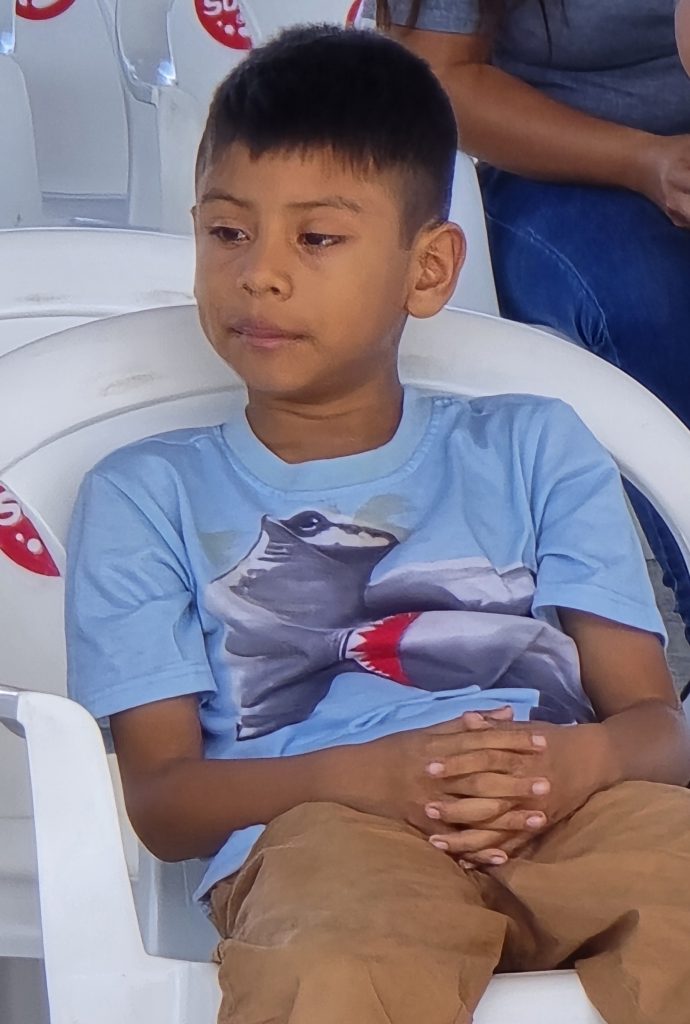
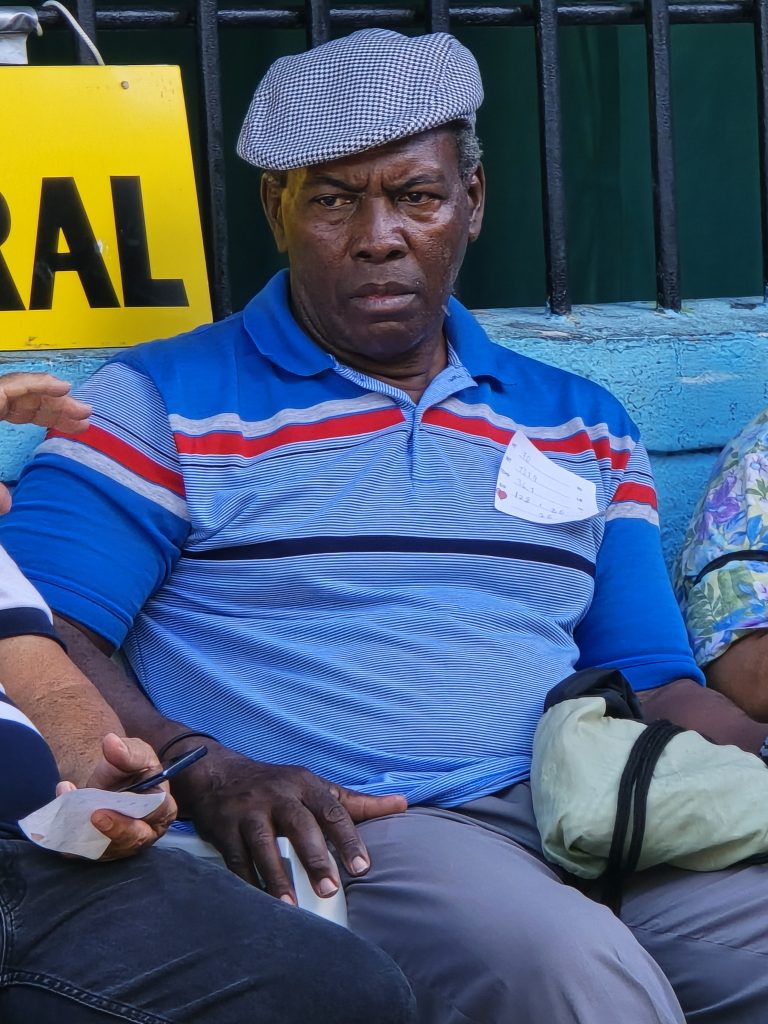
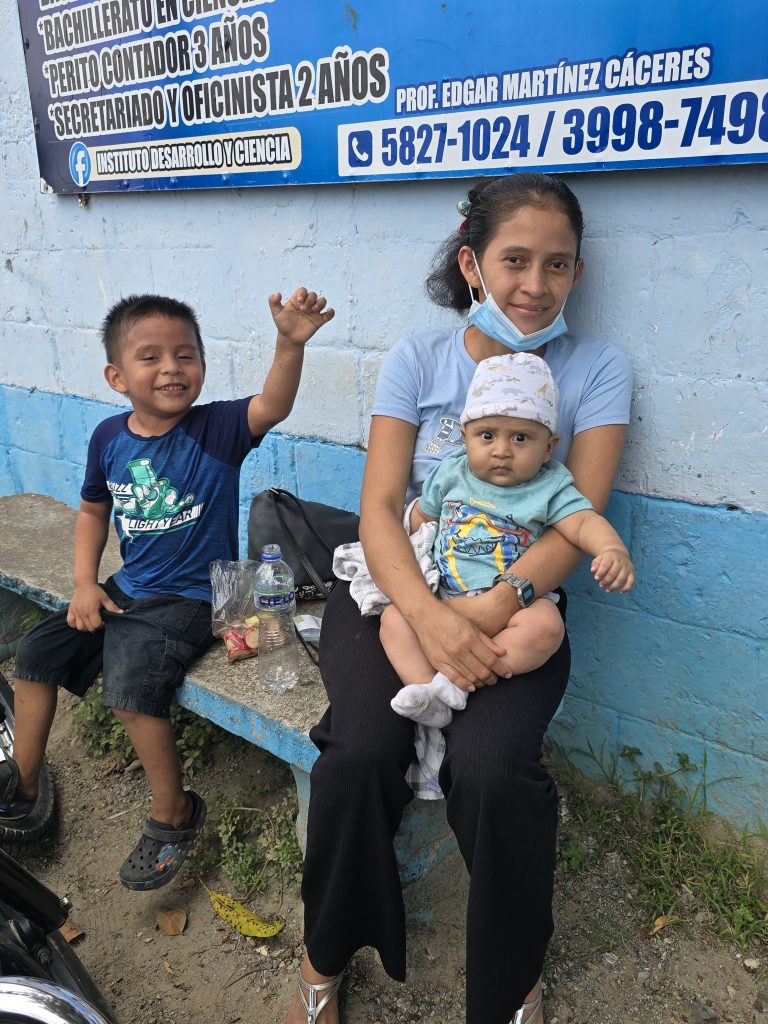
At our morning meeting Joel focused both our attention and our intention by reminding us that many of the patients we were going to see today had traveled many hours to attend the clinic. For many of them this will be the only medical care they get this year and for some, it may be the only care they have received.
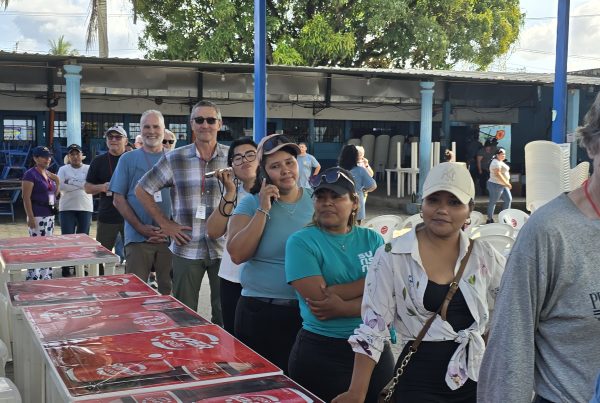
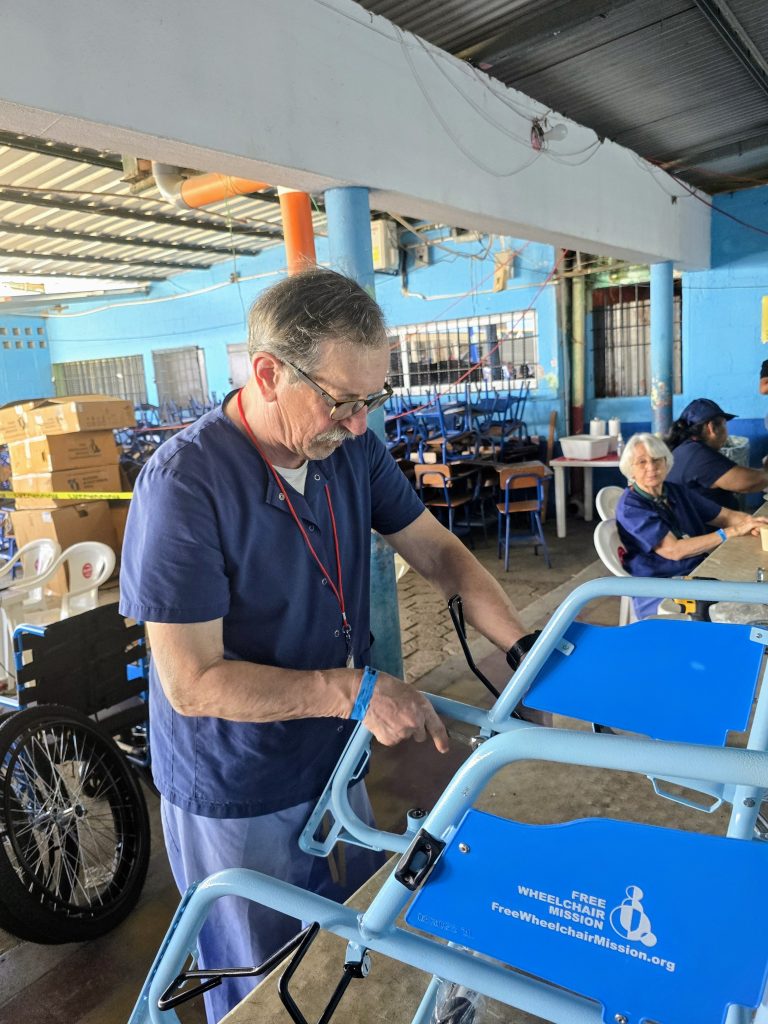
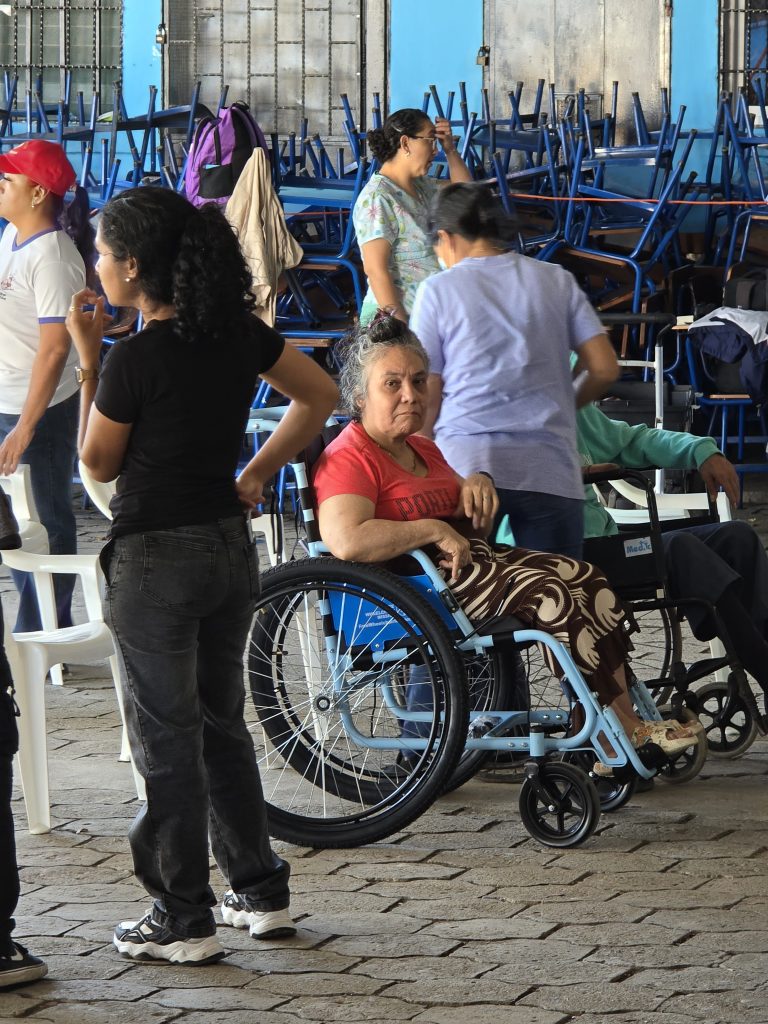
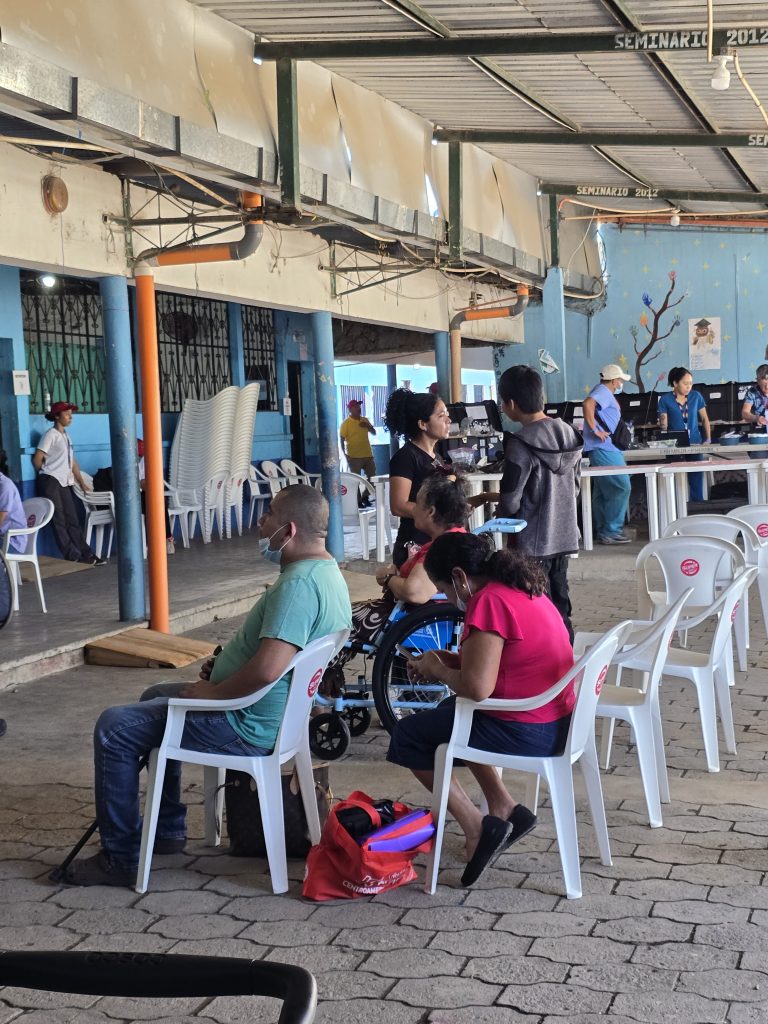
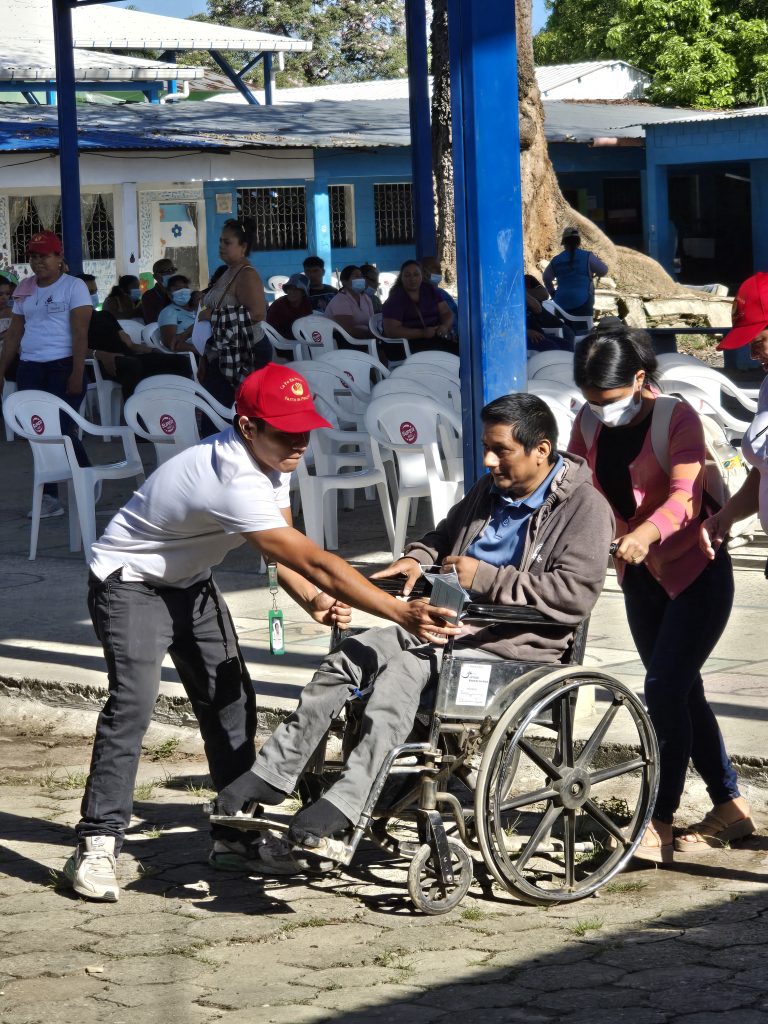
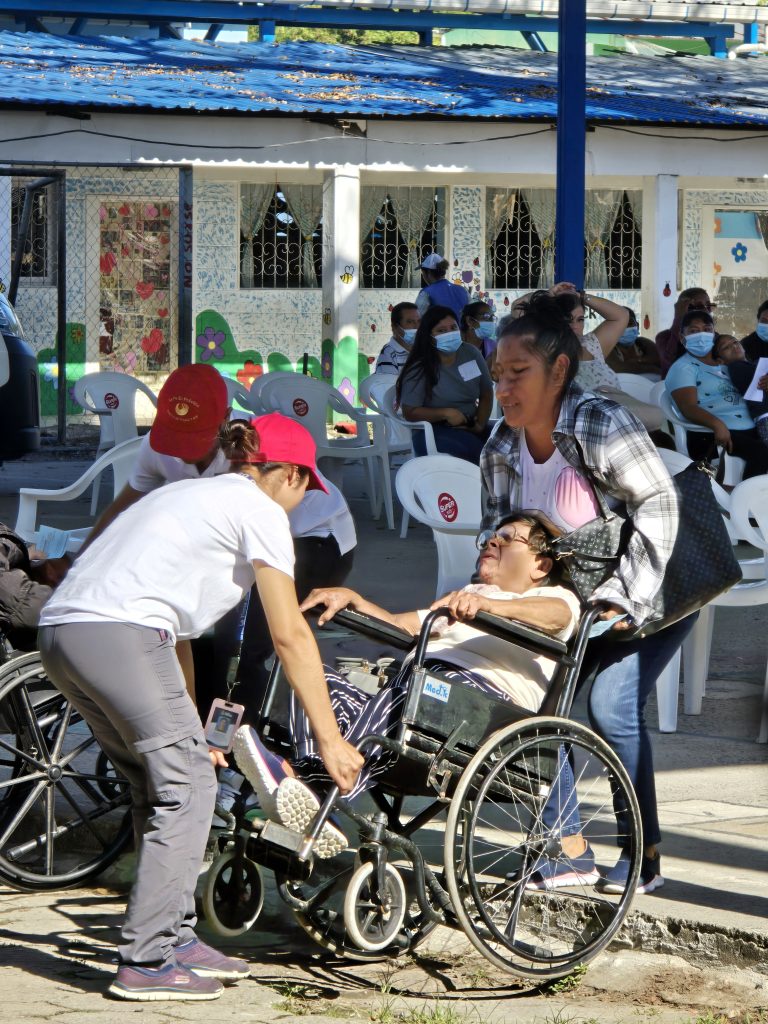
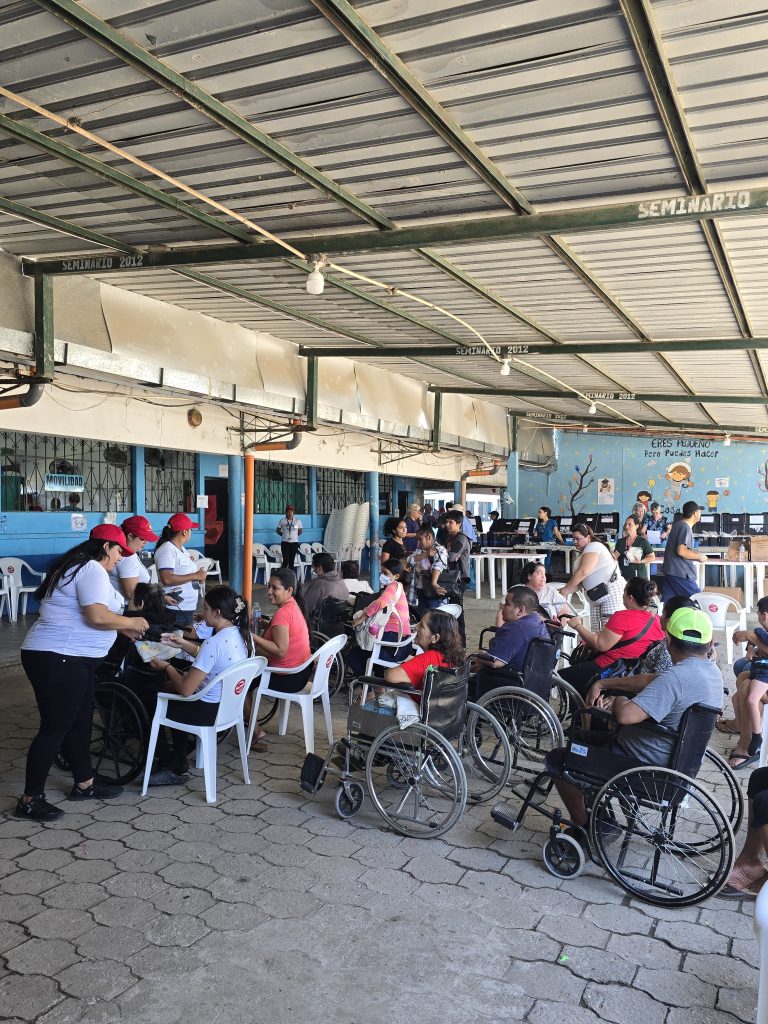
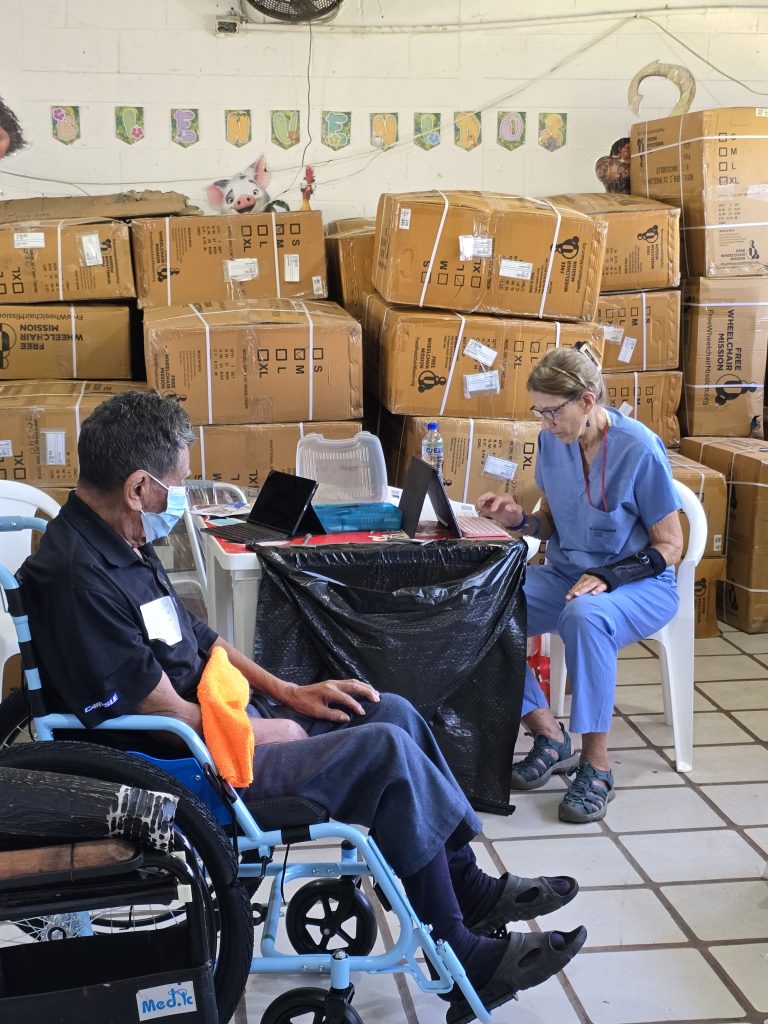
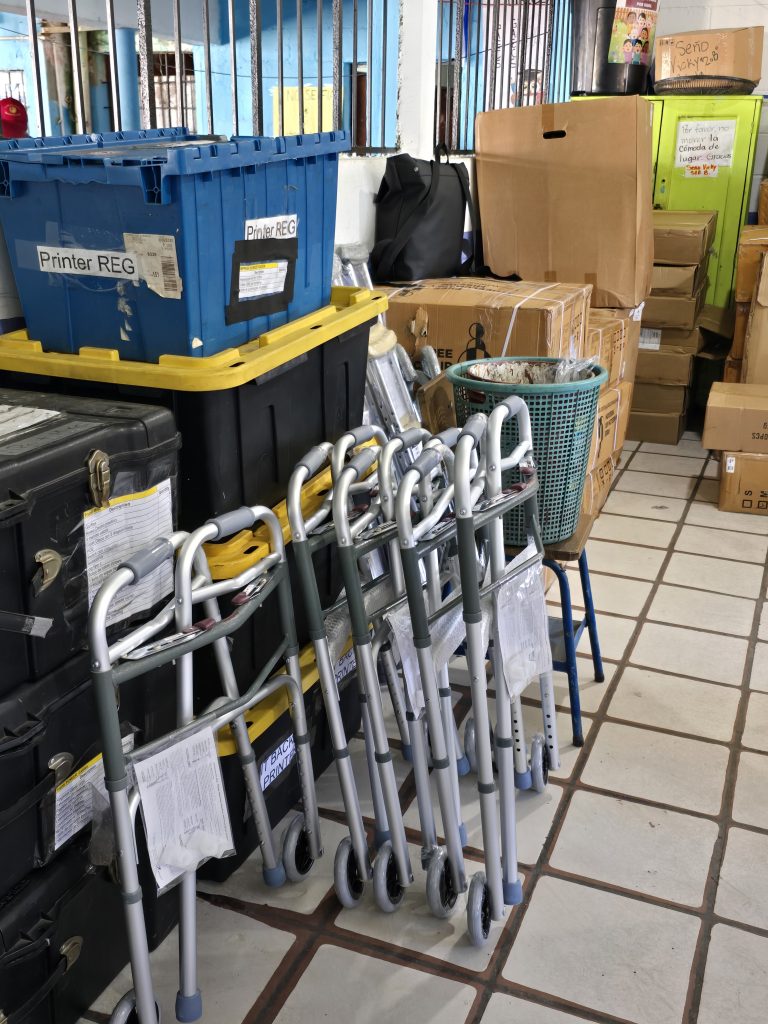
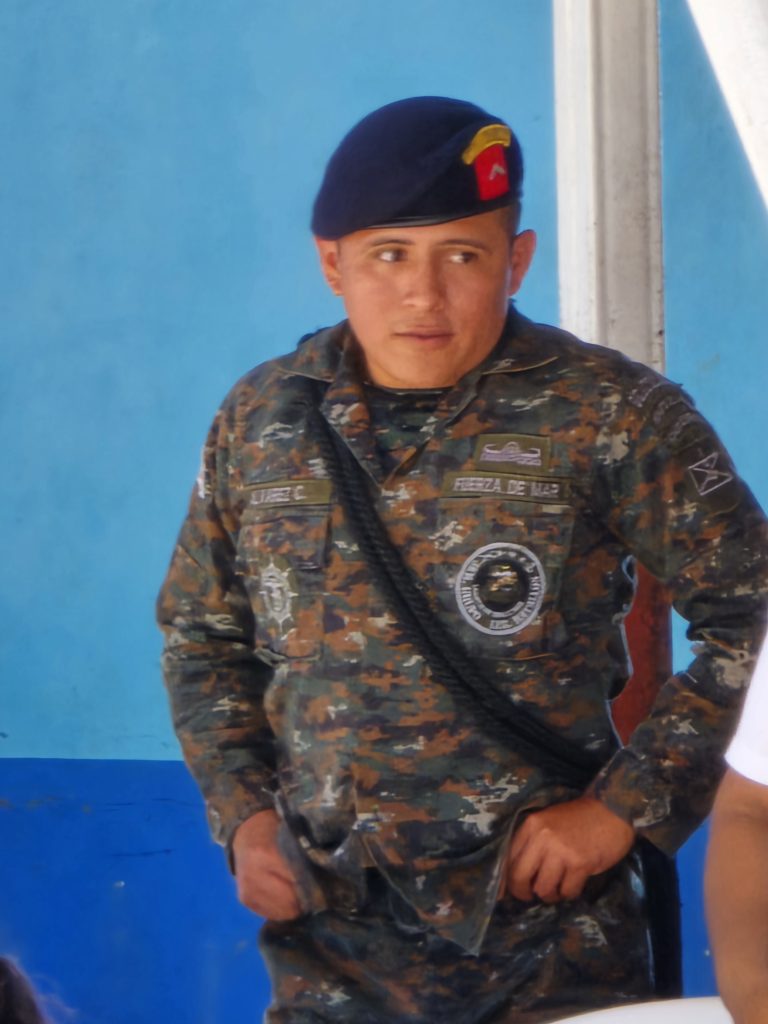
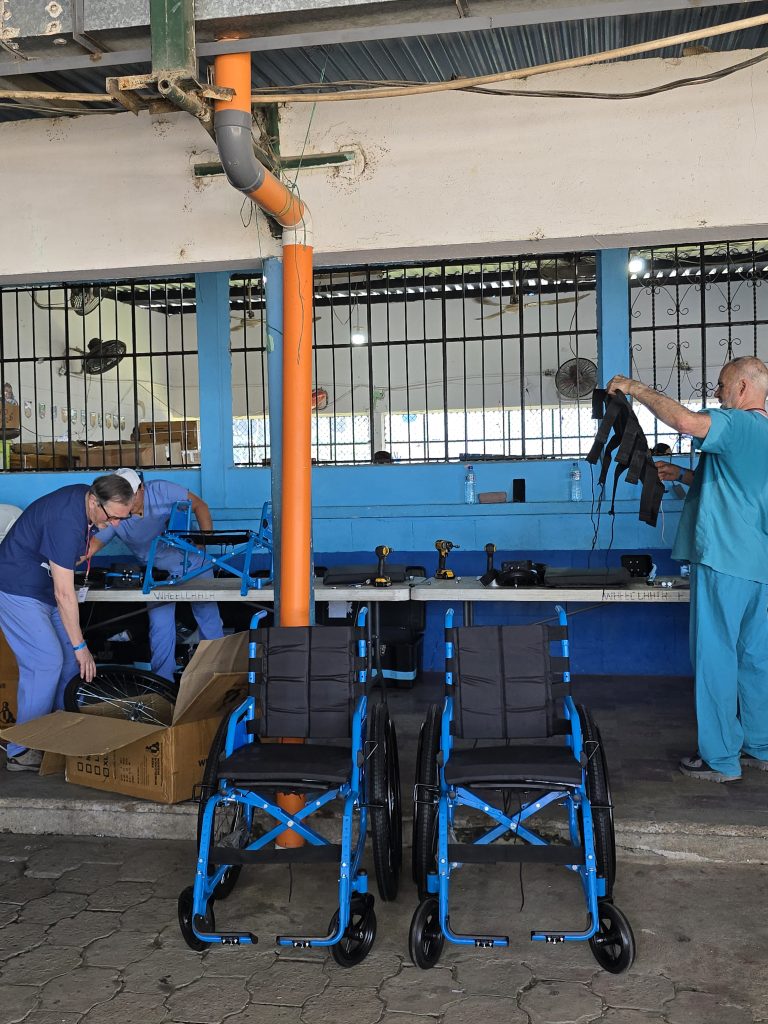
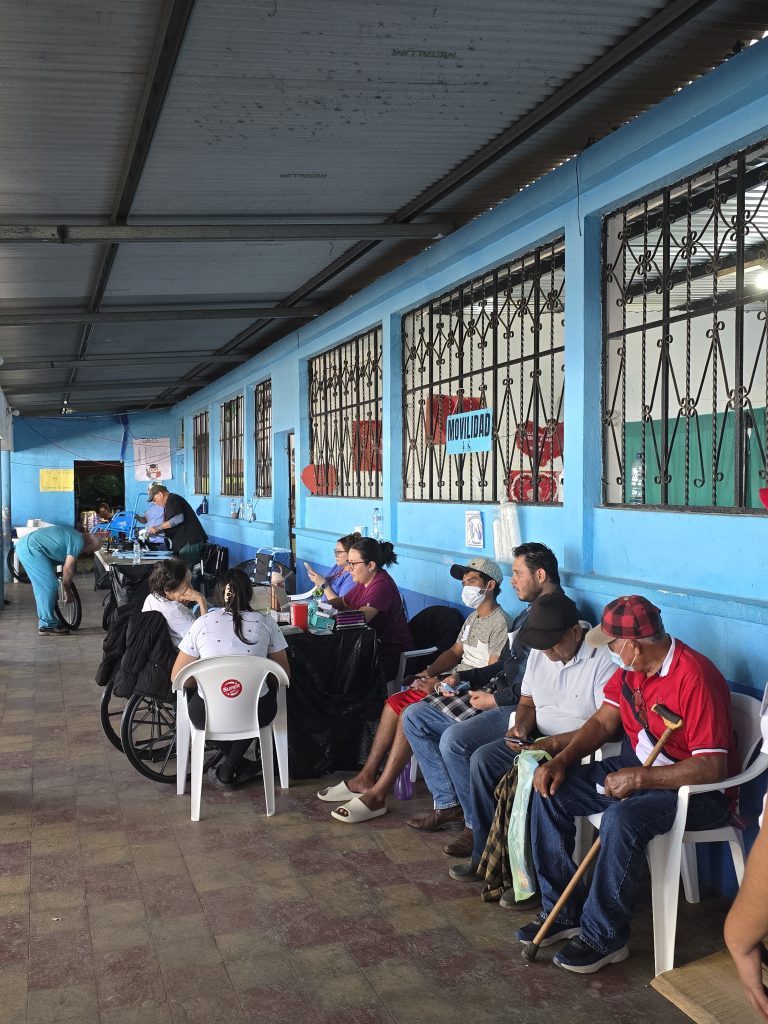
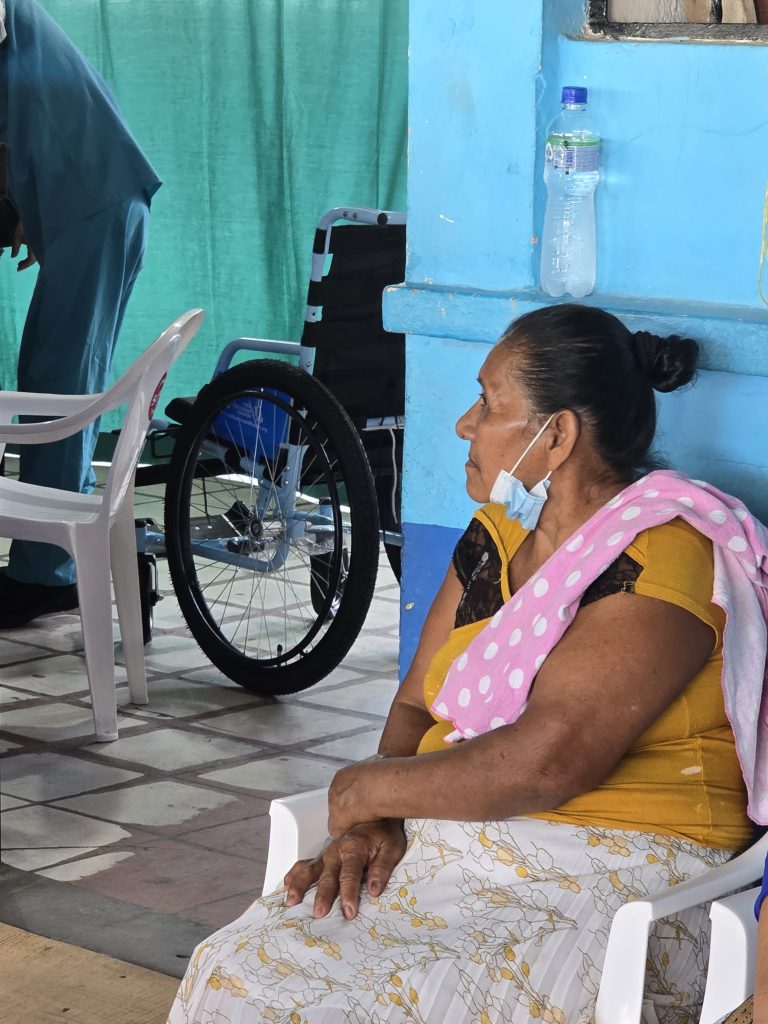
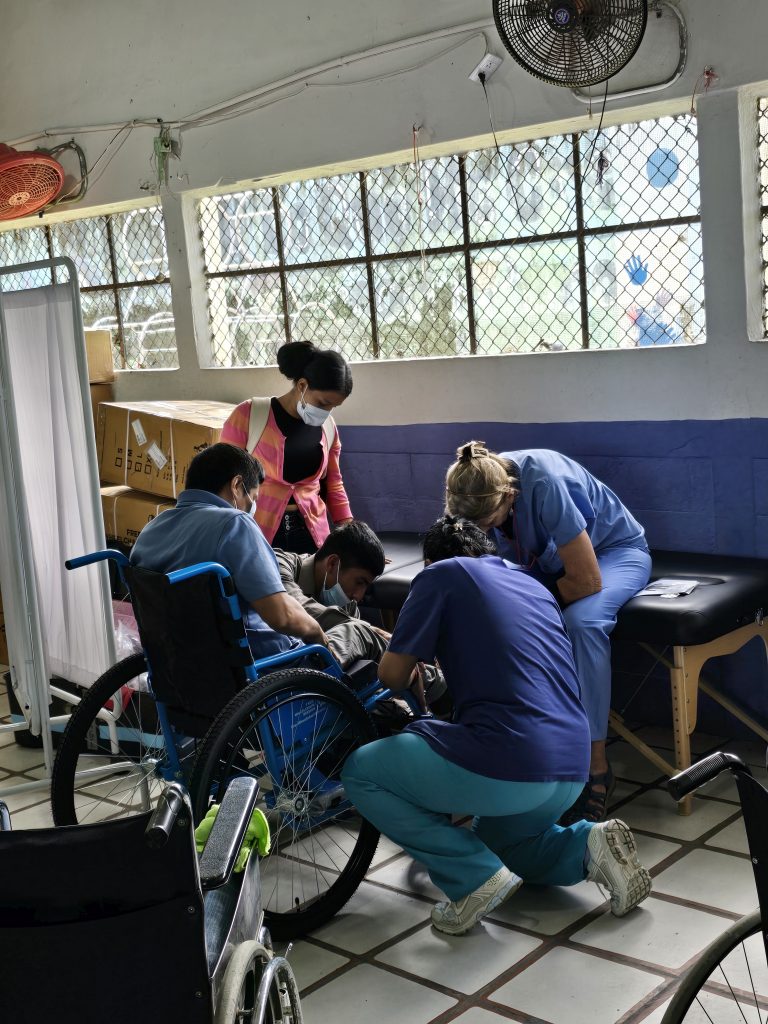
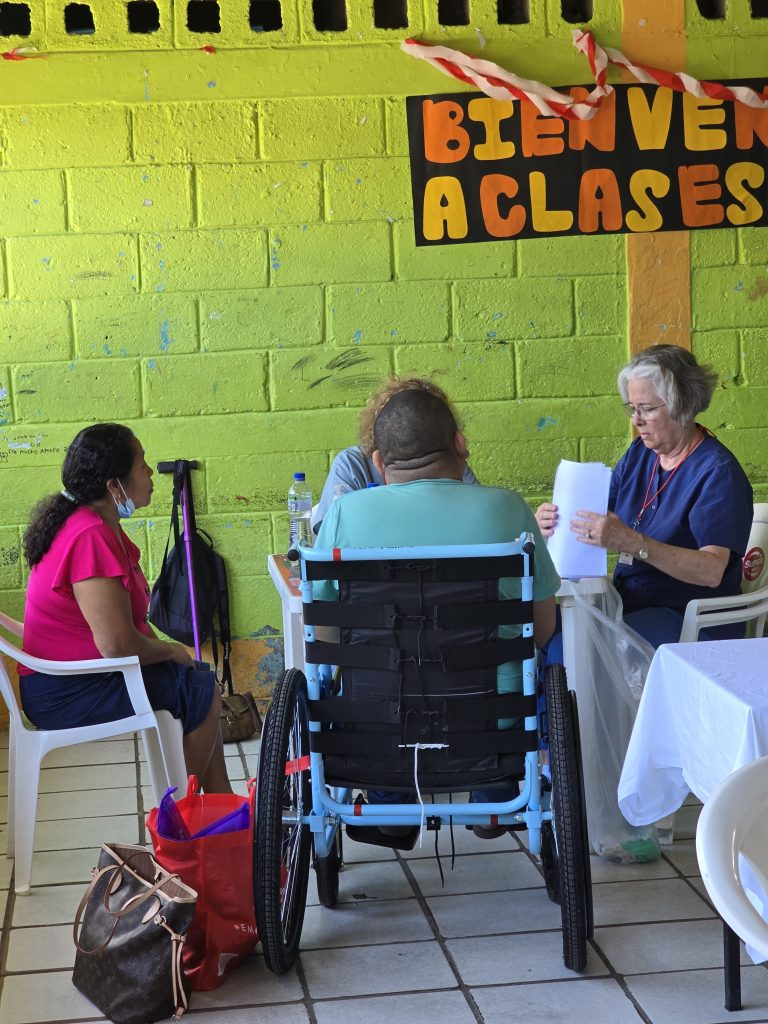
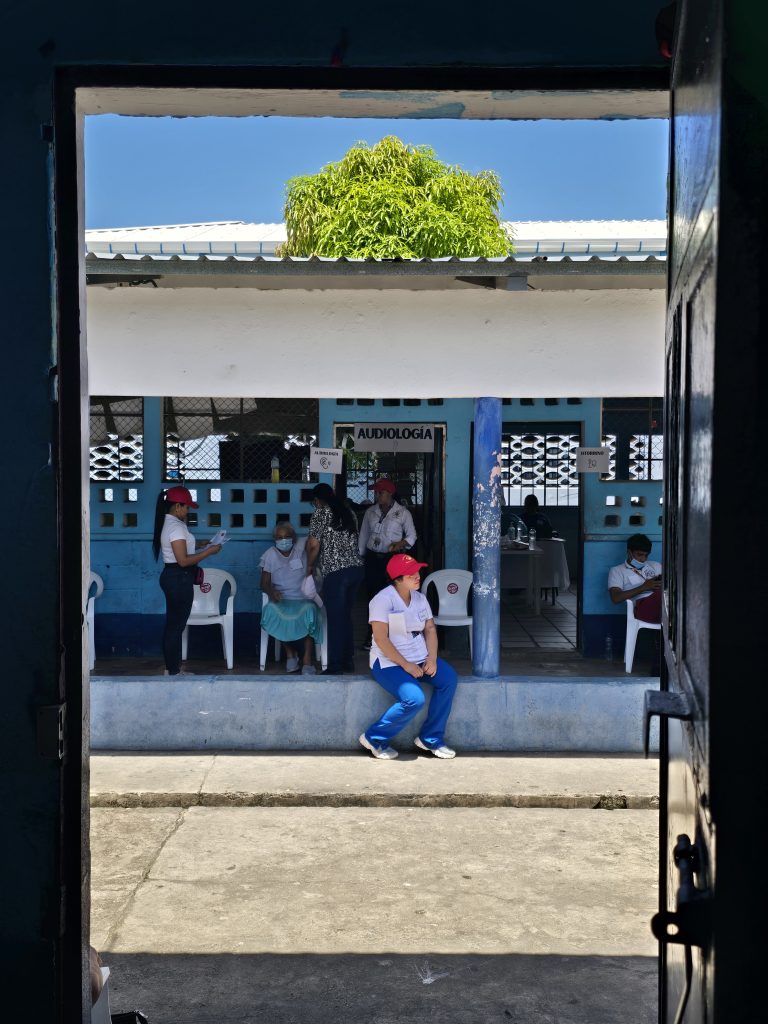
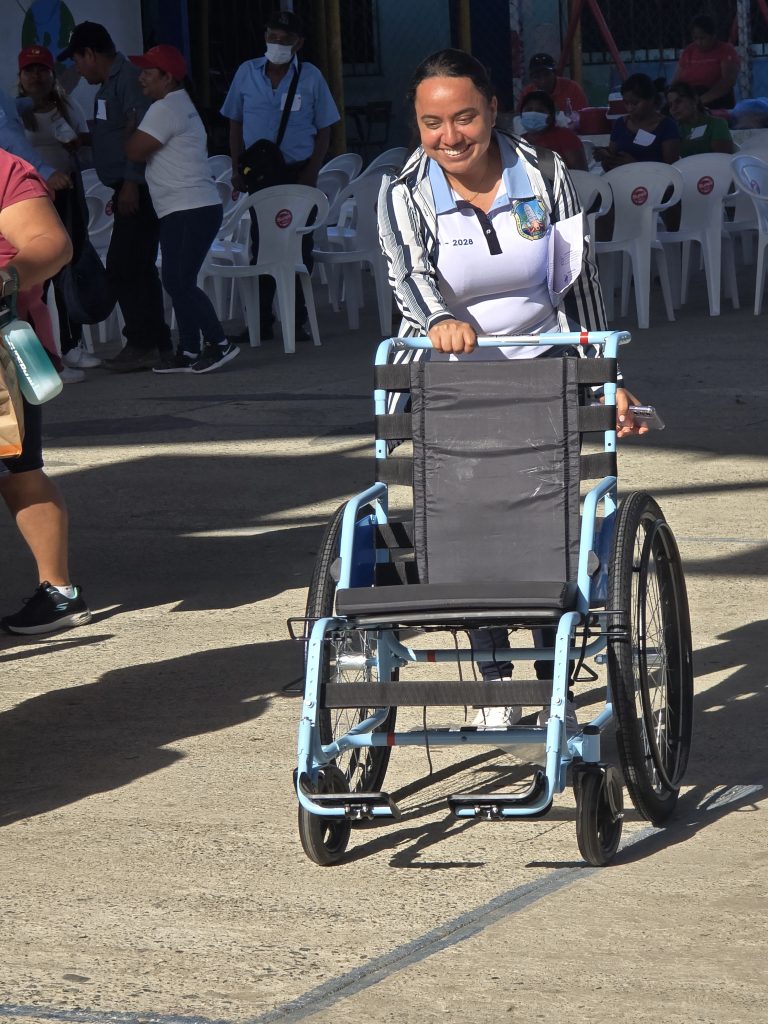
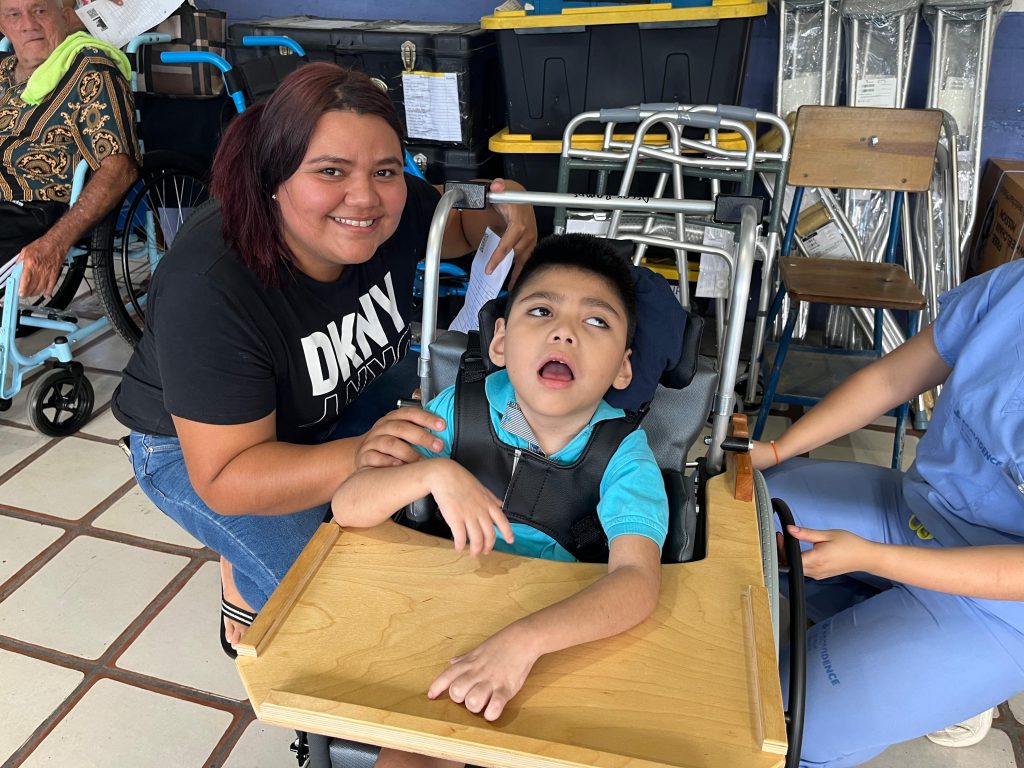
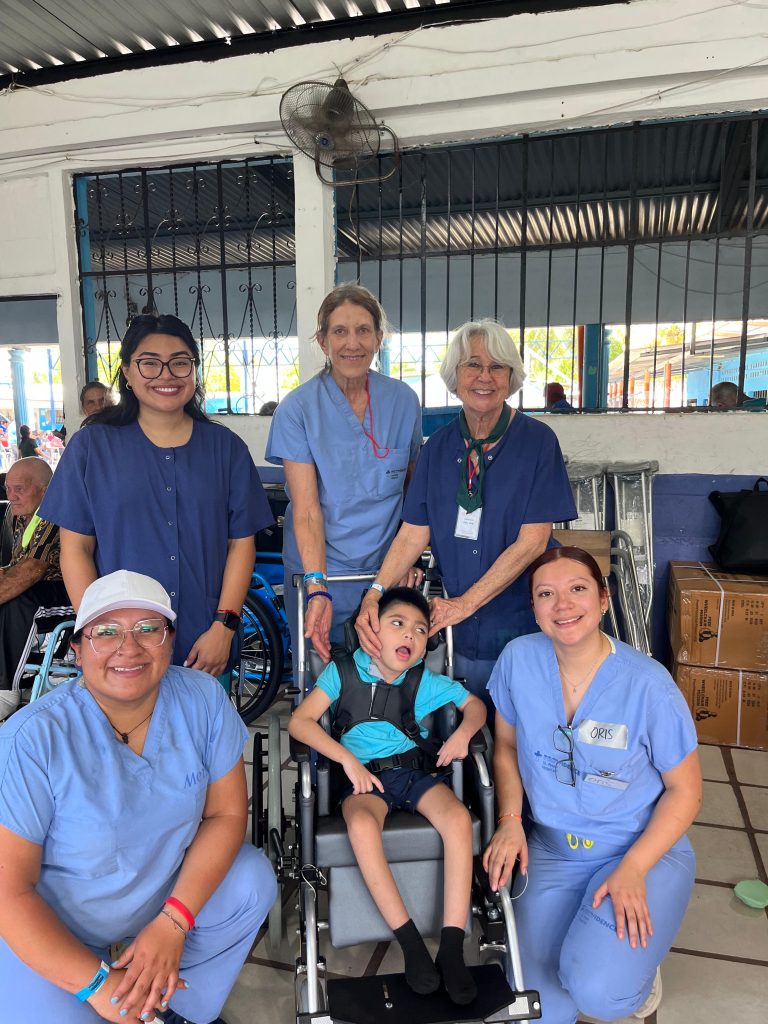
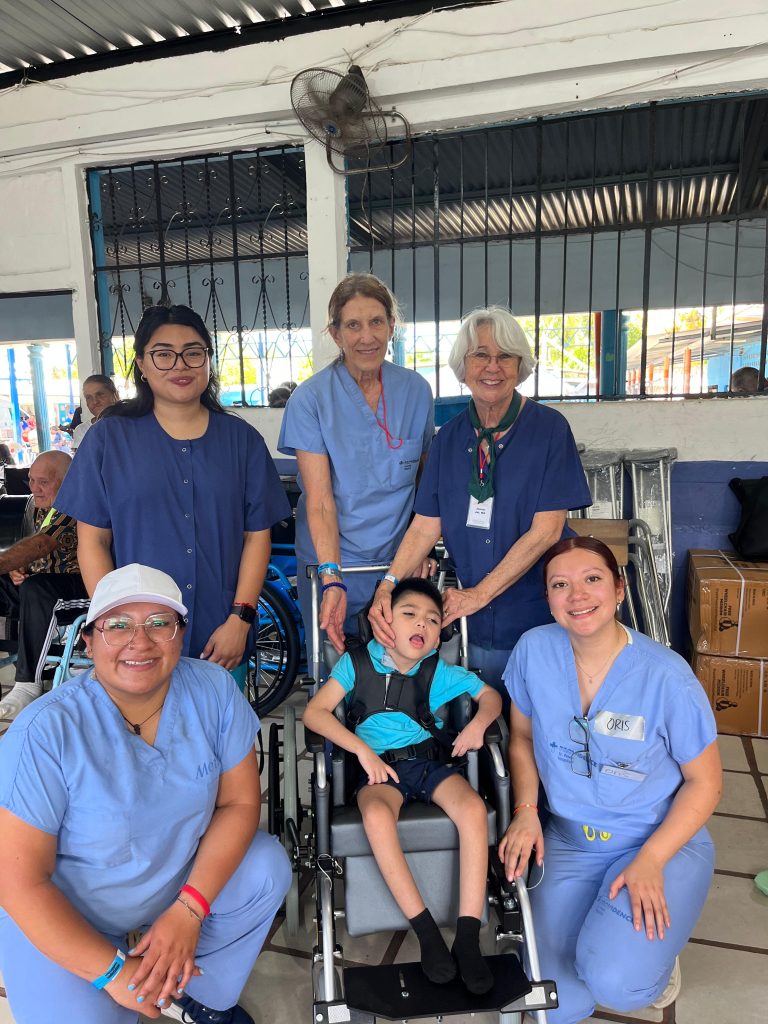
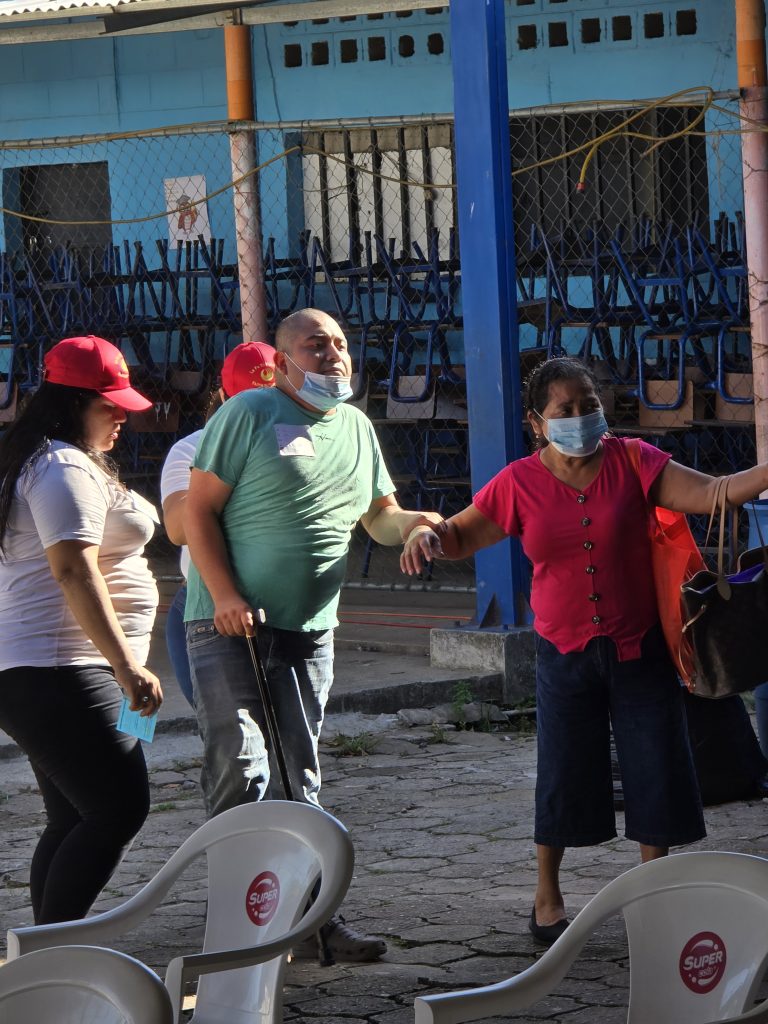
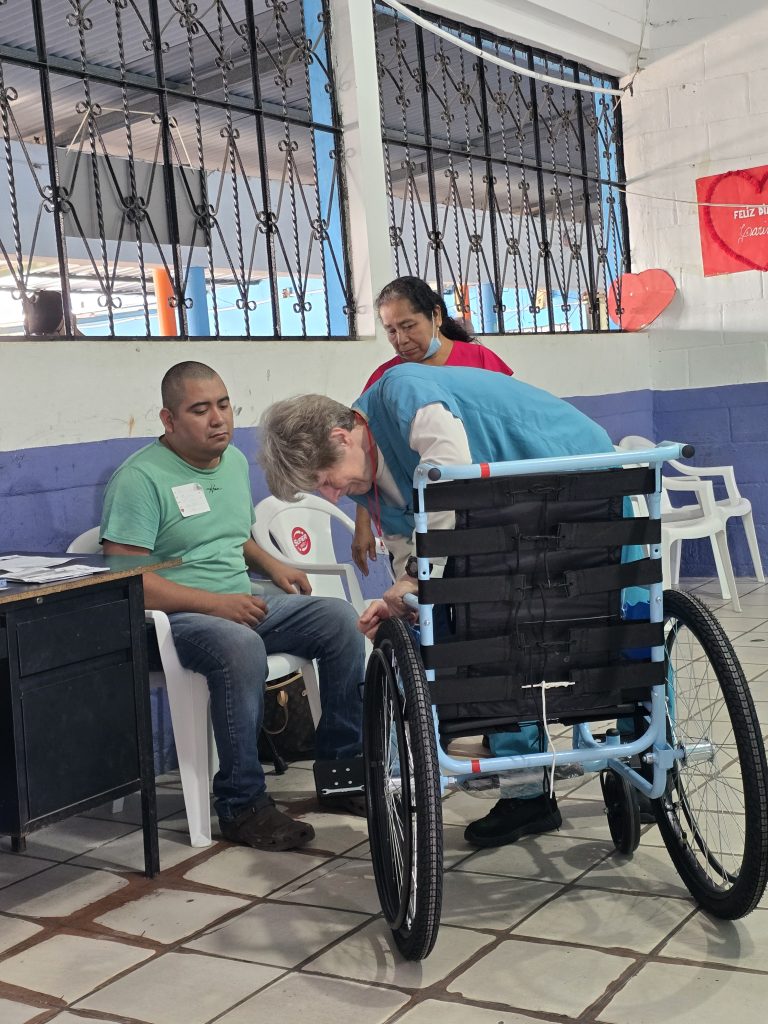
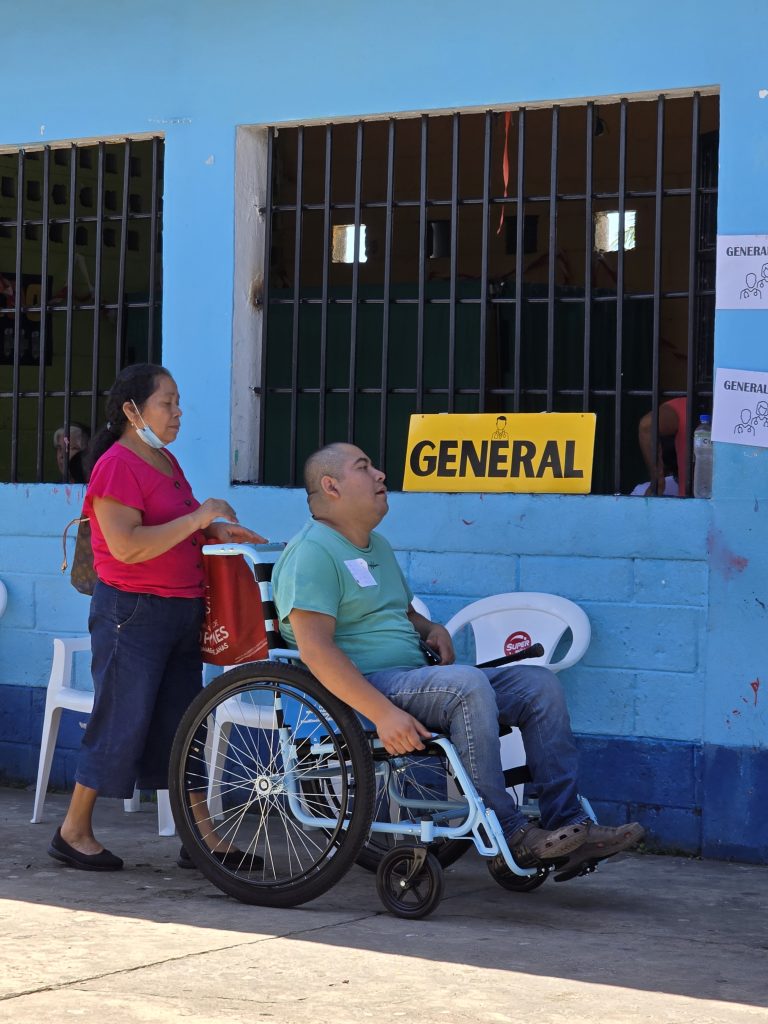
The ride to the clinic is thankfully short, only about 10 minutes. Stepping off the bus we can already tell it’s going to be a hot day. Walking into the school we pass our armed security, a reminder that we are “not in Kansas anymore”. That is quickly forgotten, however, when we turn the corner into the courtyard and see the chairs we had set up the day before filled with people waiting for us, and a line at the side door with even more people queued up to register. There was already a crowd in front of mobility, people whose needs were most outwardly obvious.
I’m not a medical professional, so I don’t “make a difference” in other people’s lives every day. It was clear, however, that this week was going to be different. I’d get a chance, alongside an amazing group of people, to make an impact.
THIS was why we are here.
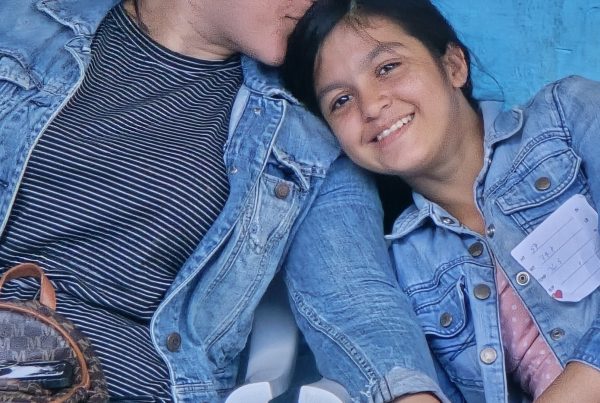
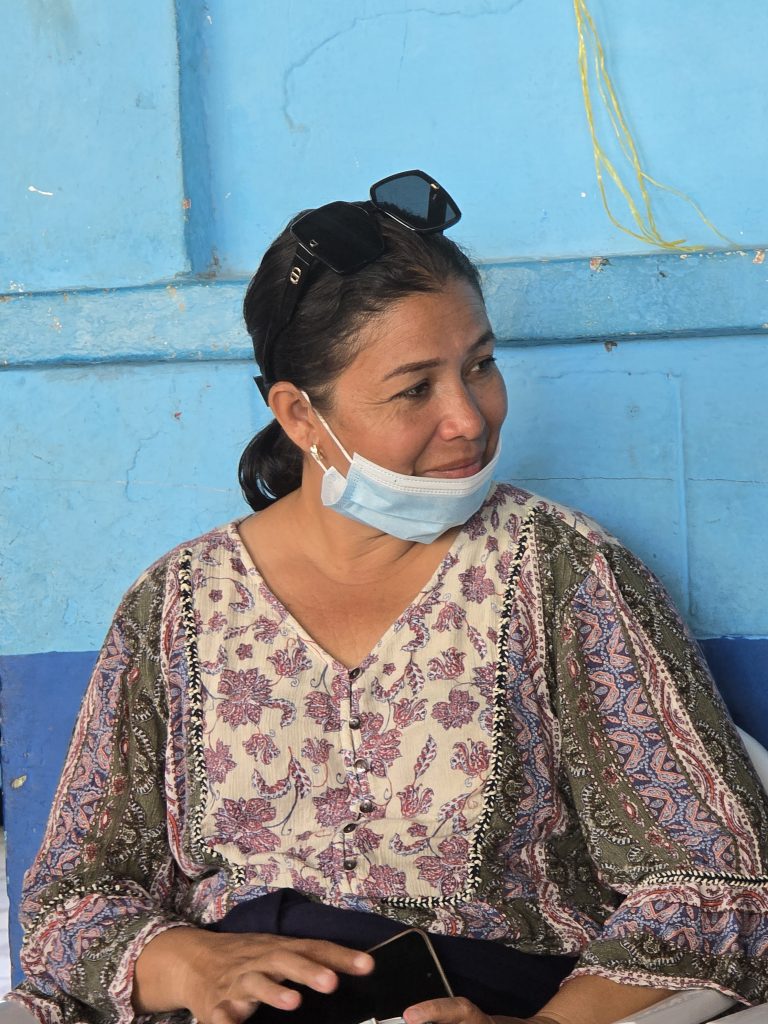
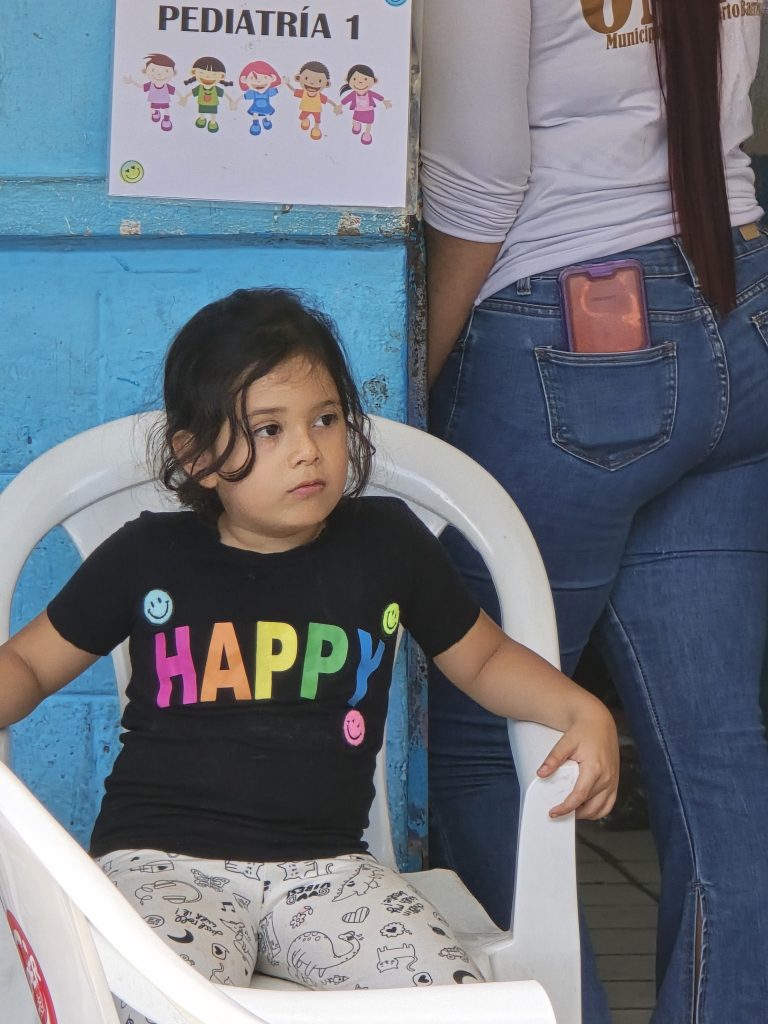
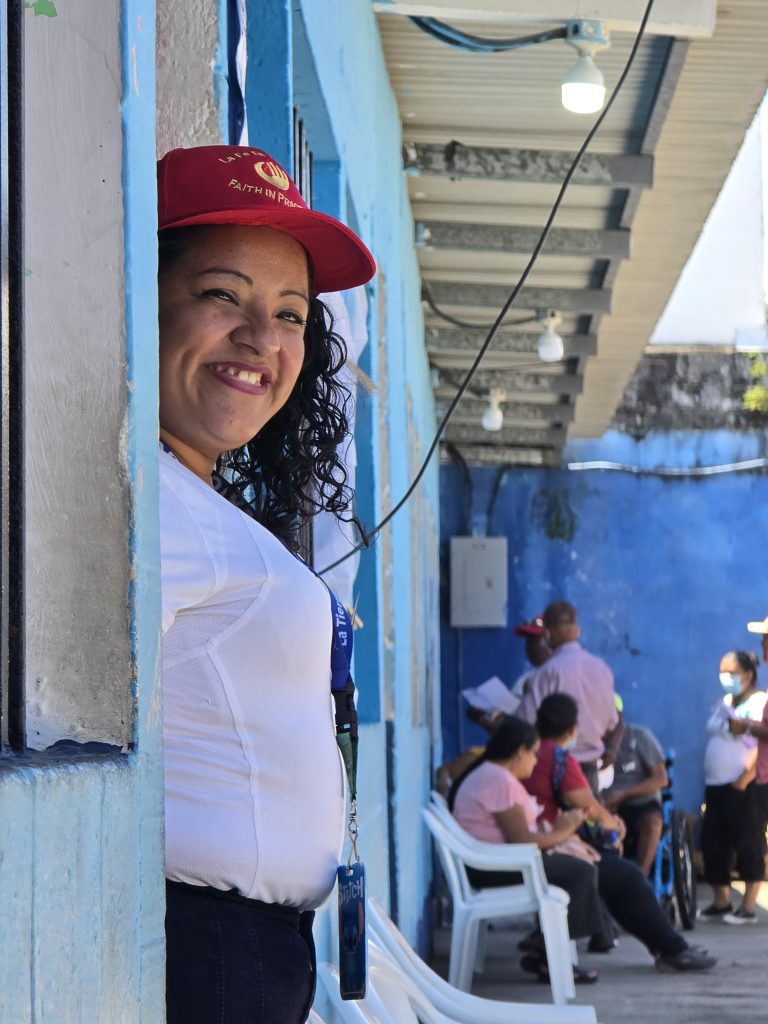
Crossing the courtyard, I’m greeted with “Buenos Dias” and “Hola” from person after person. Smiles were everywhere, obvious even in the eyes of those who were wearing masks. I admit I didn’t have any preconceived notions of what my reaction would be when I came in this morning, but I didn’t expect to feel such a sense of absolute joy and happiness.
Their appreciation for us being here was palpable, and I couldn’t wait to get started.
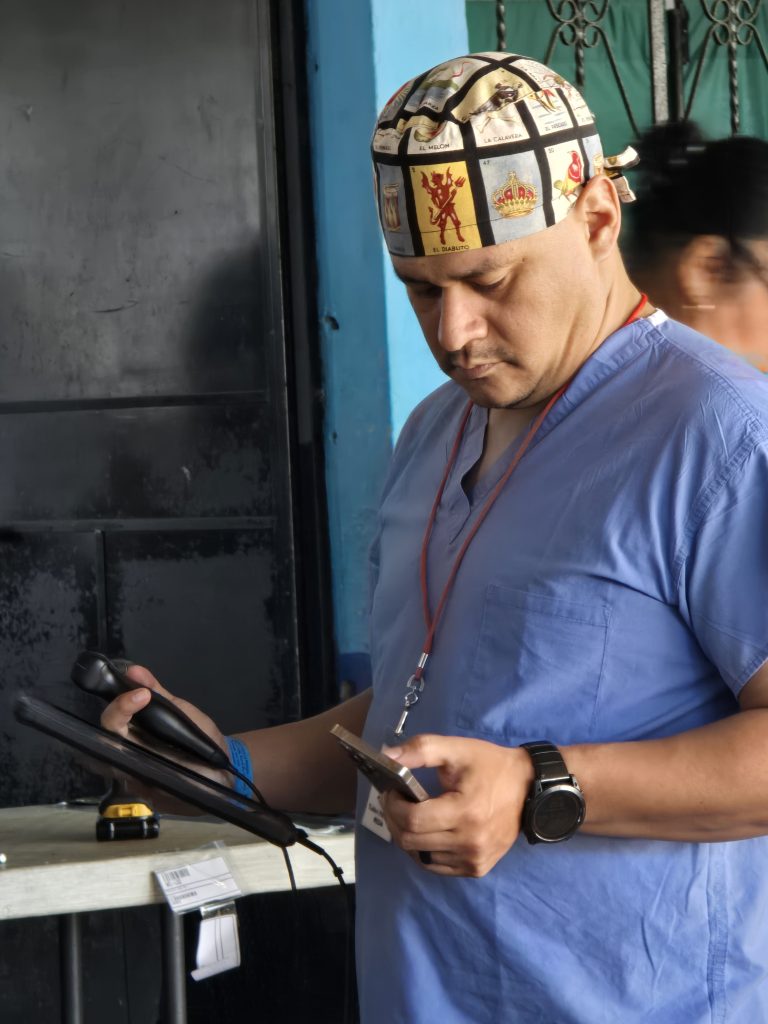
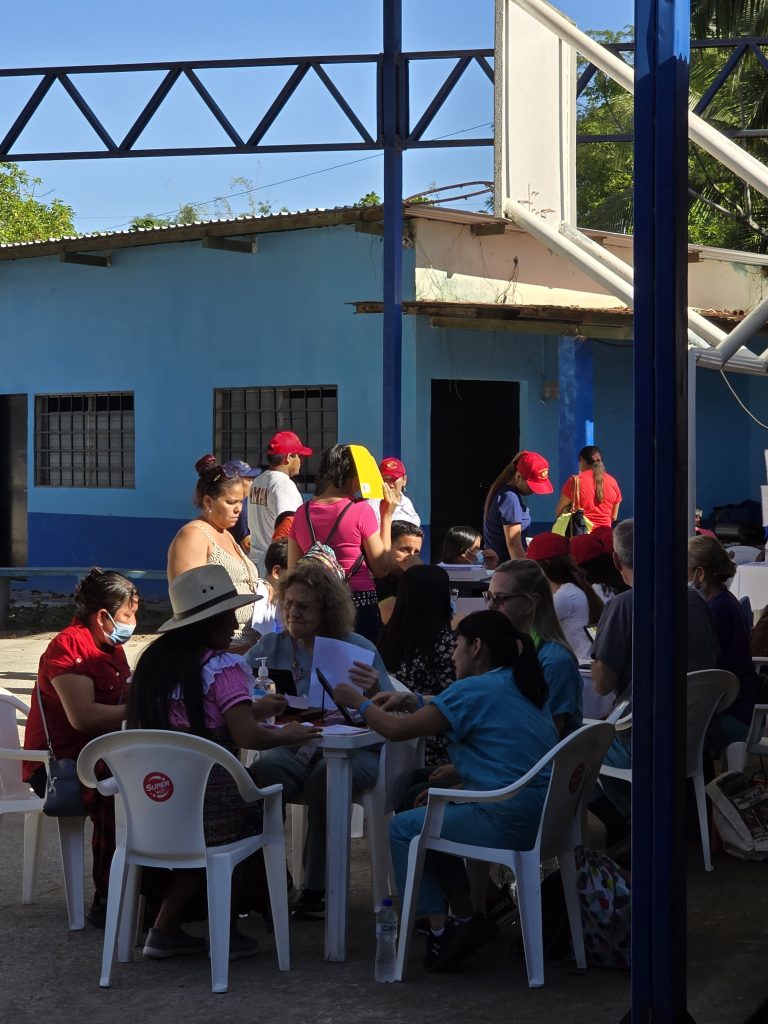
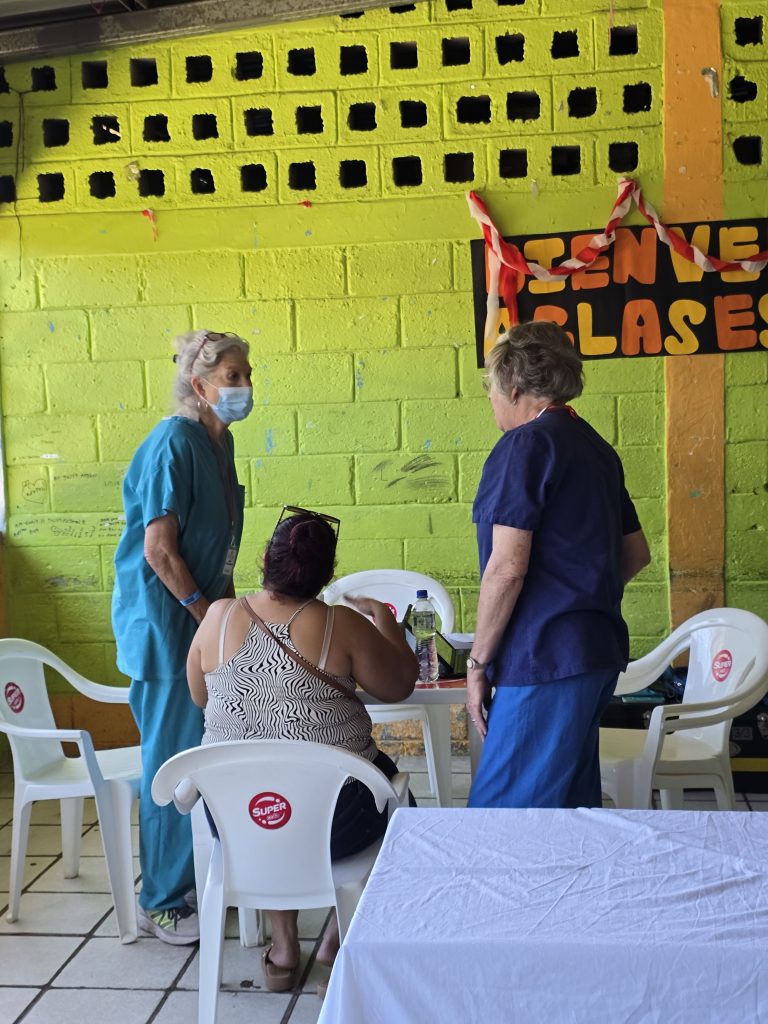
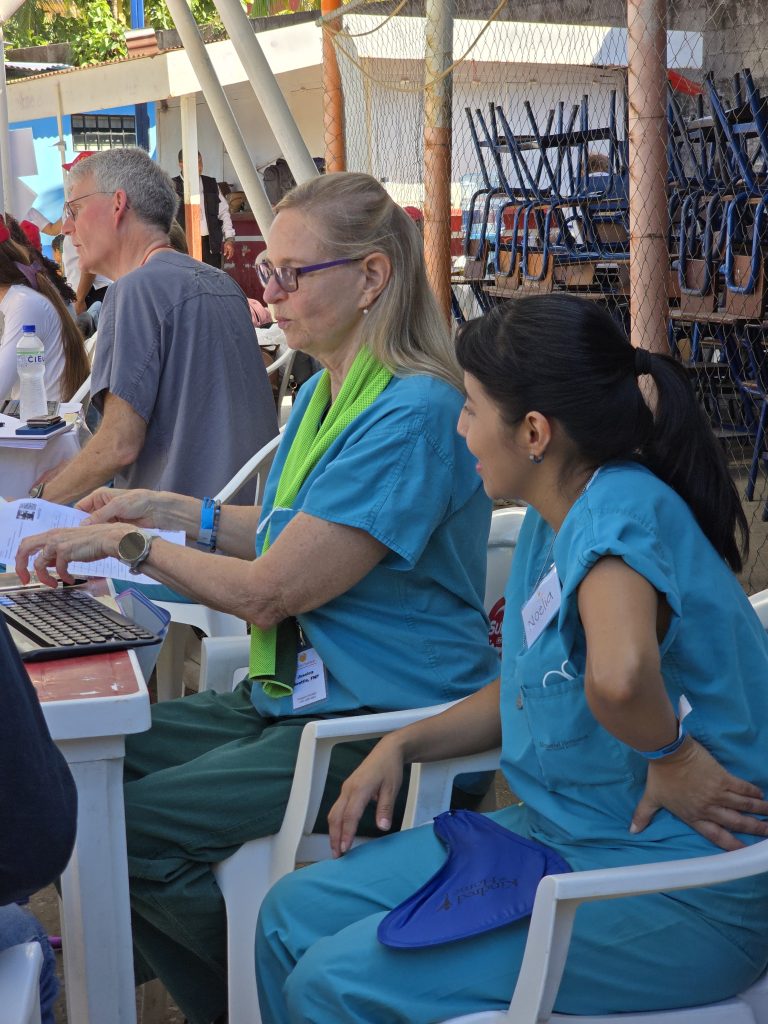
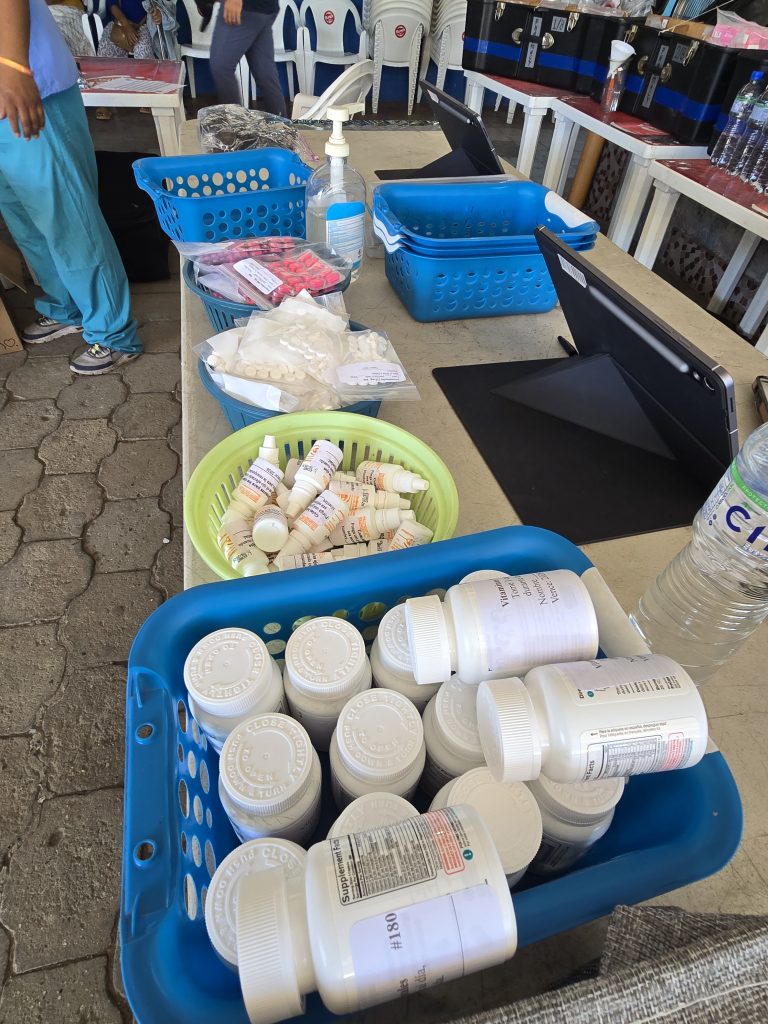
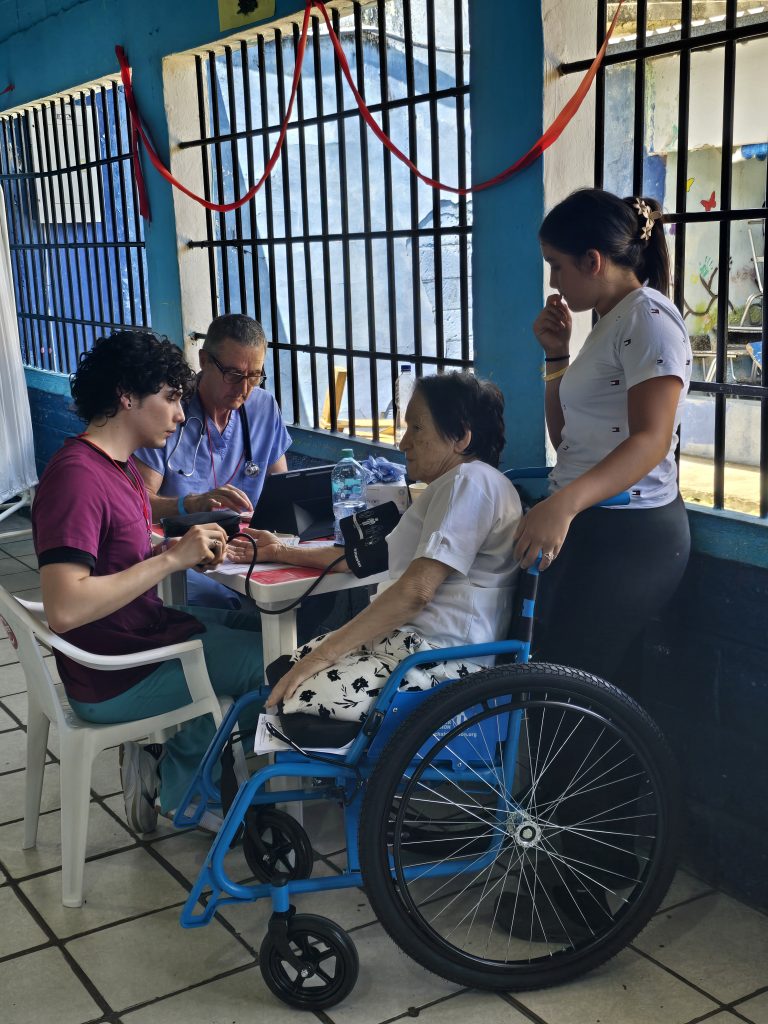
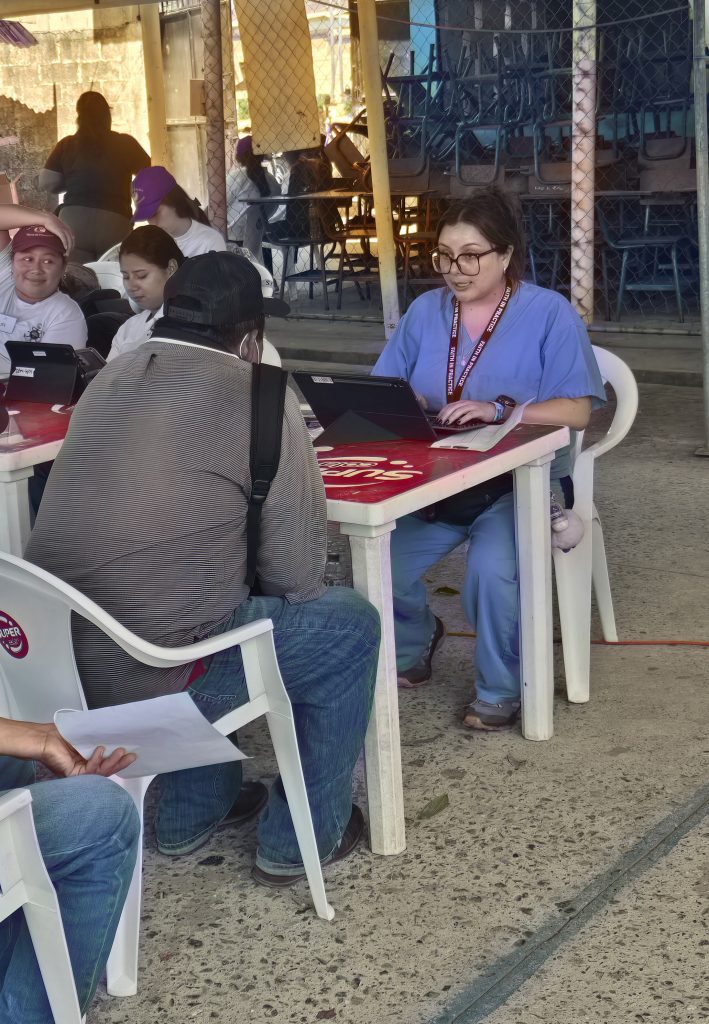
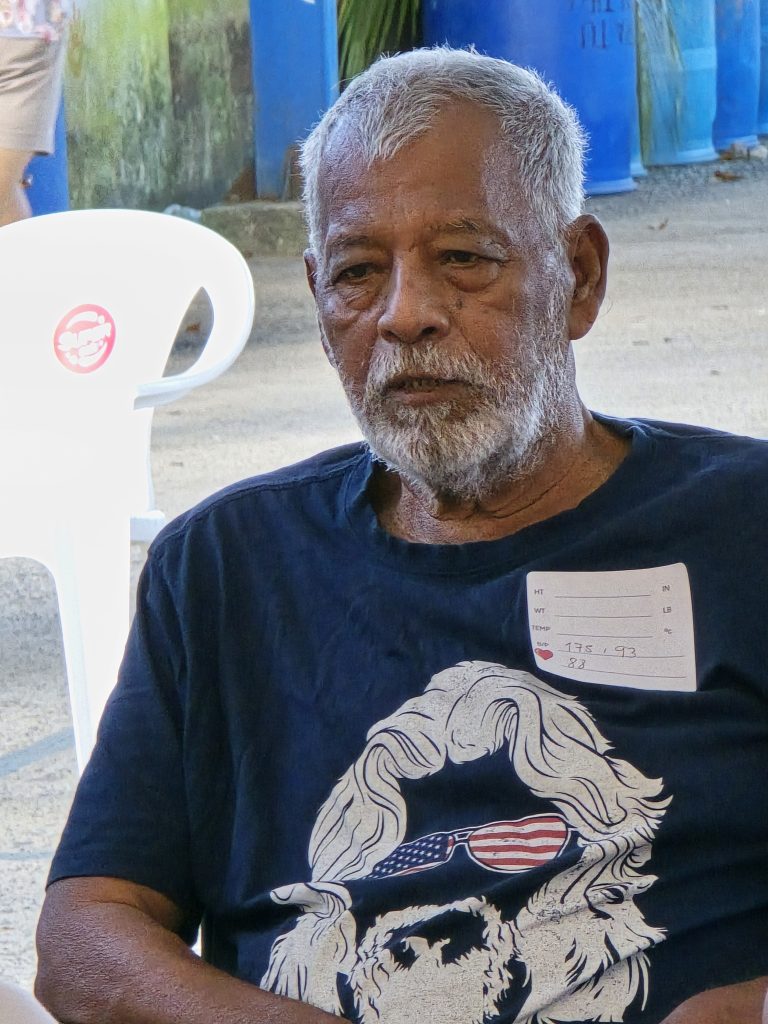
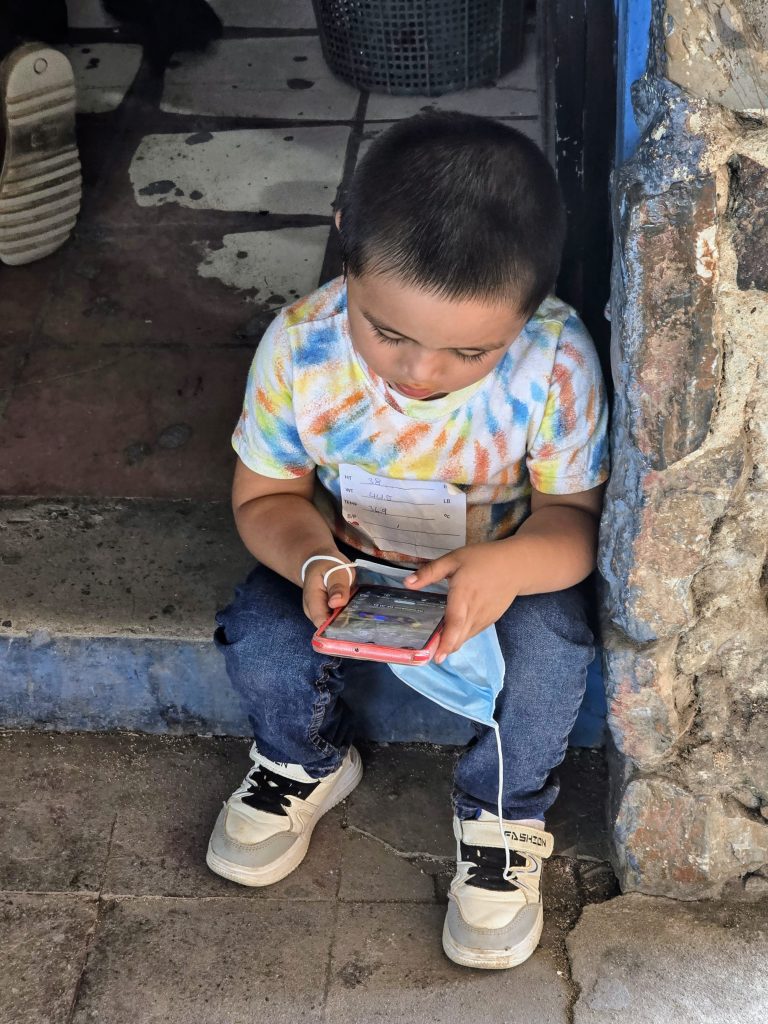
The process for every patient begins at the entrance to the school where our local team checks identification against a list of appointees and then gathers some necessary information. Along with their name and address, the patient’s height, weight, pulse rate and blood pressure are obtained and entered into INSIGHT, our computerized record keeping system. Each patient is then given deworming medication before being asked to take a seat in the courtyard.
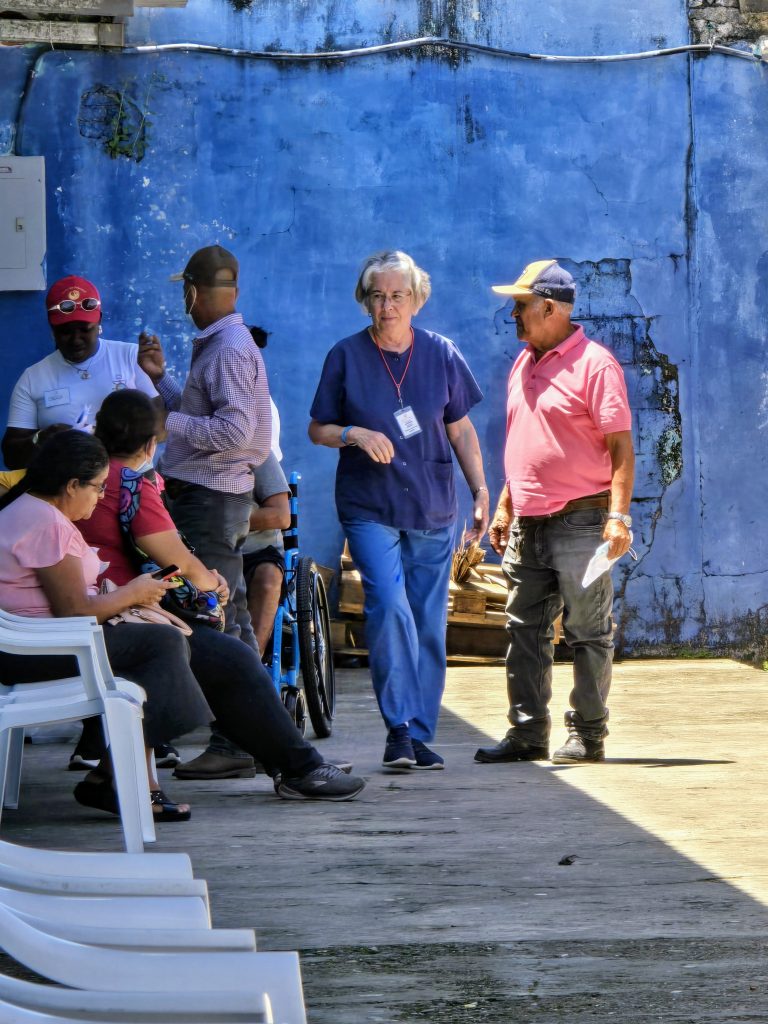
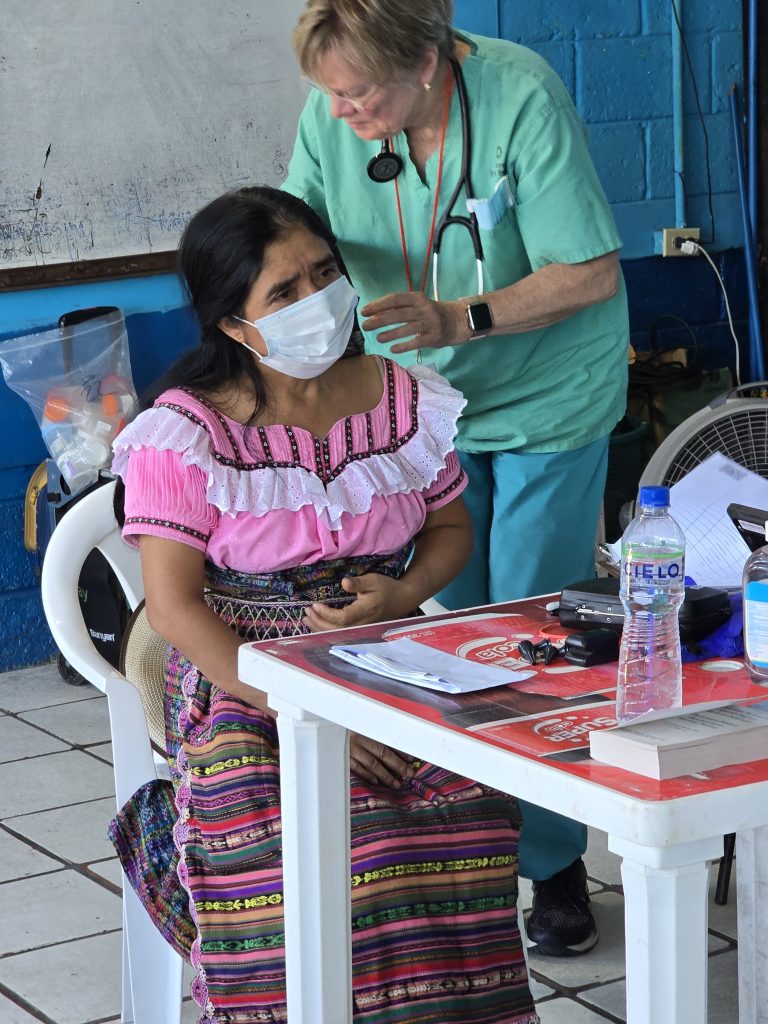
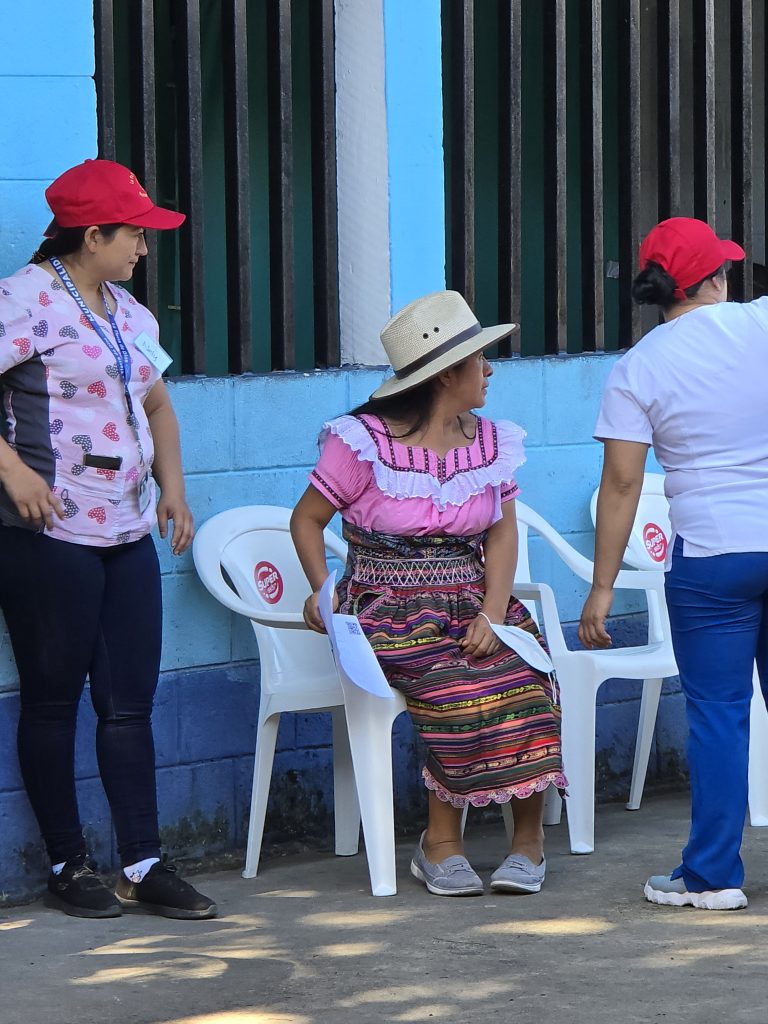
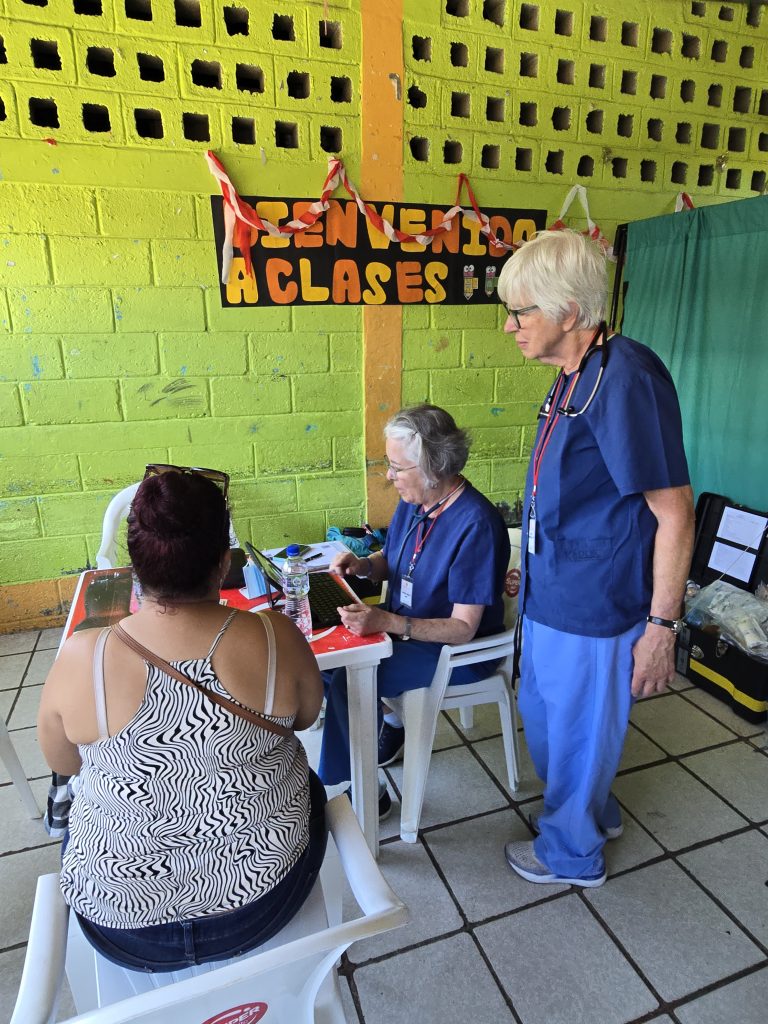
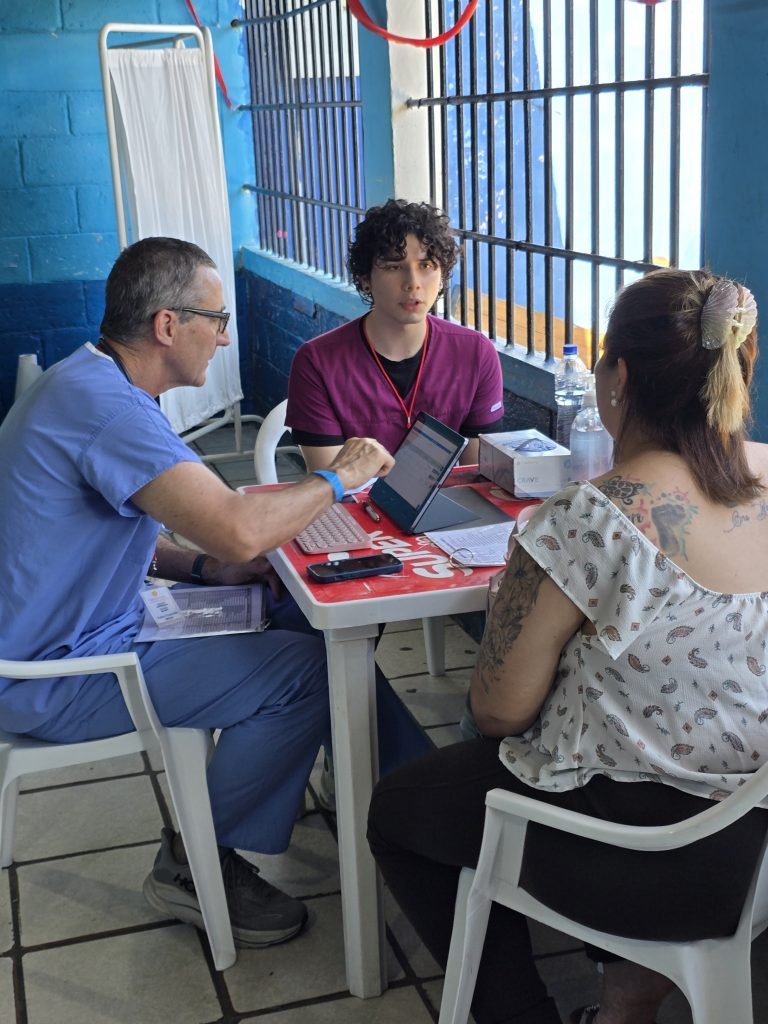
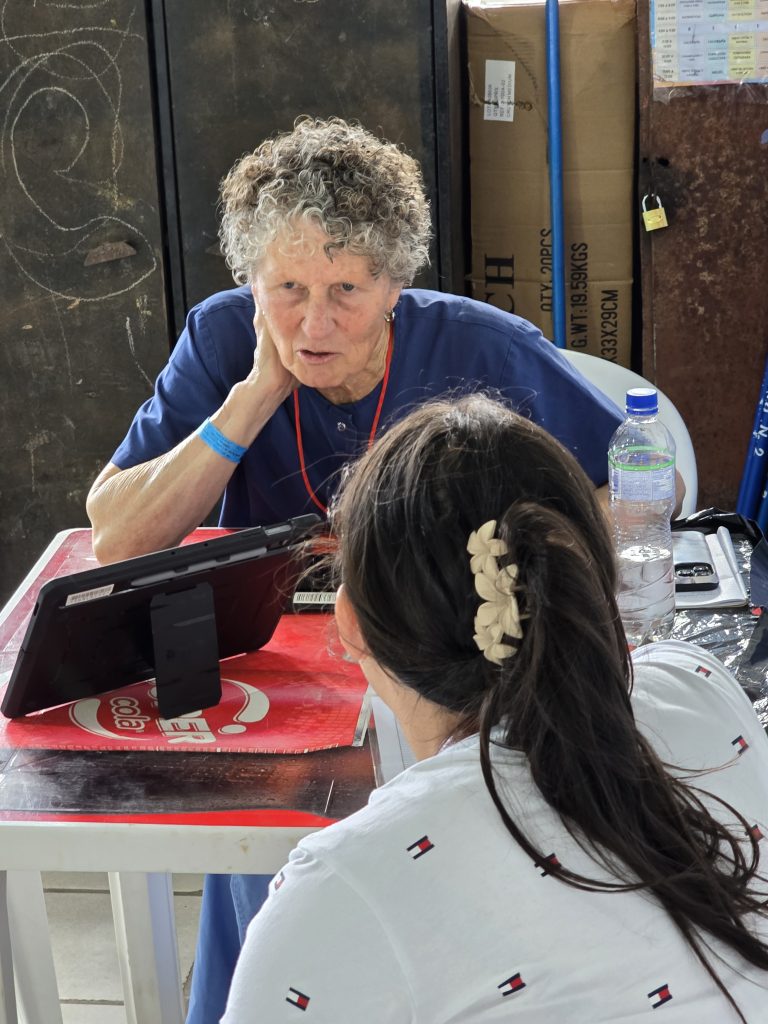
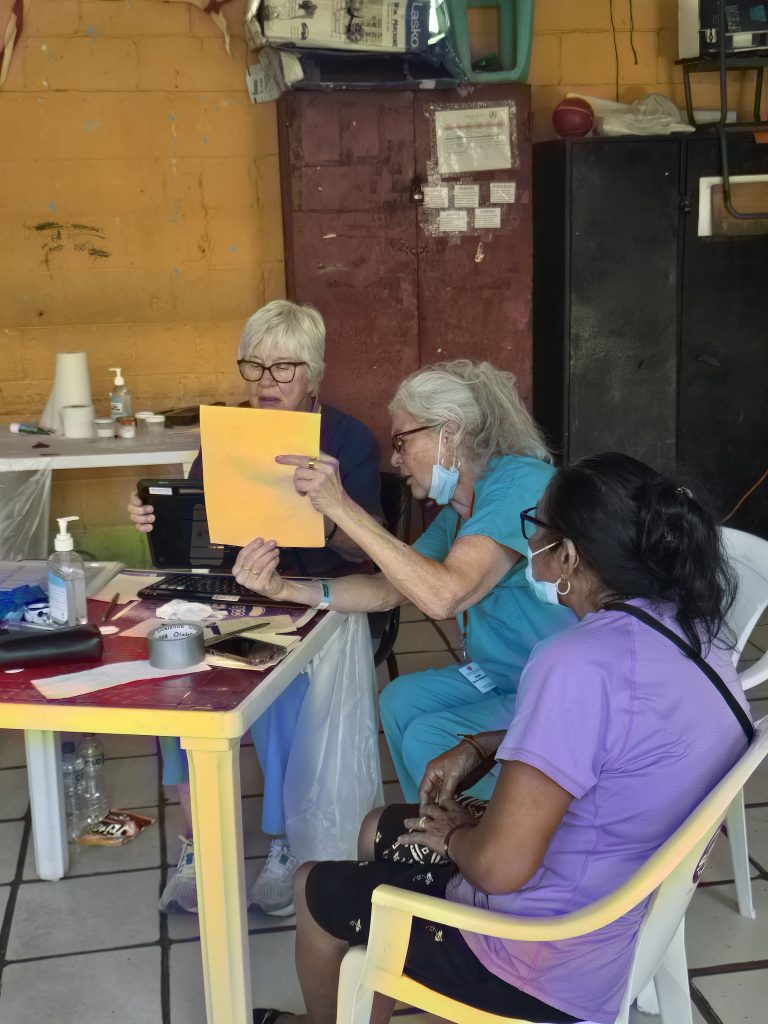
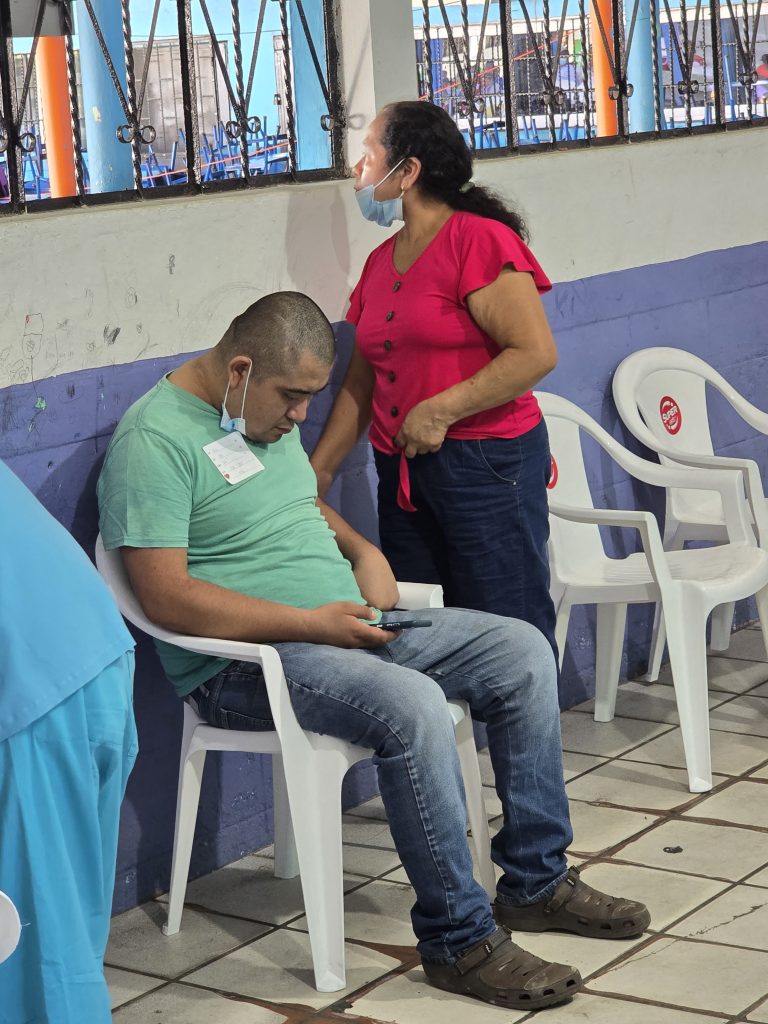
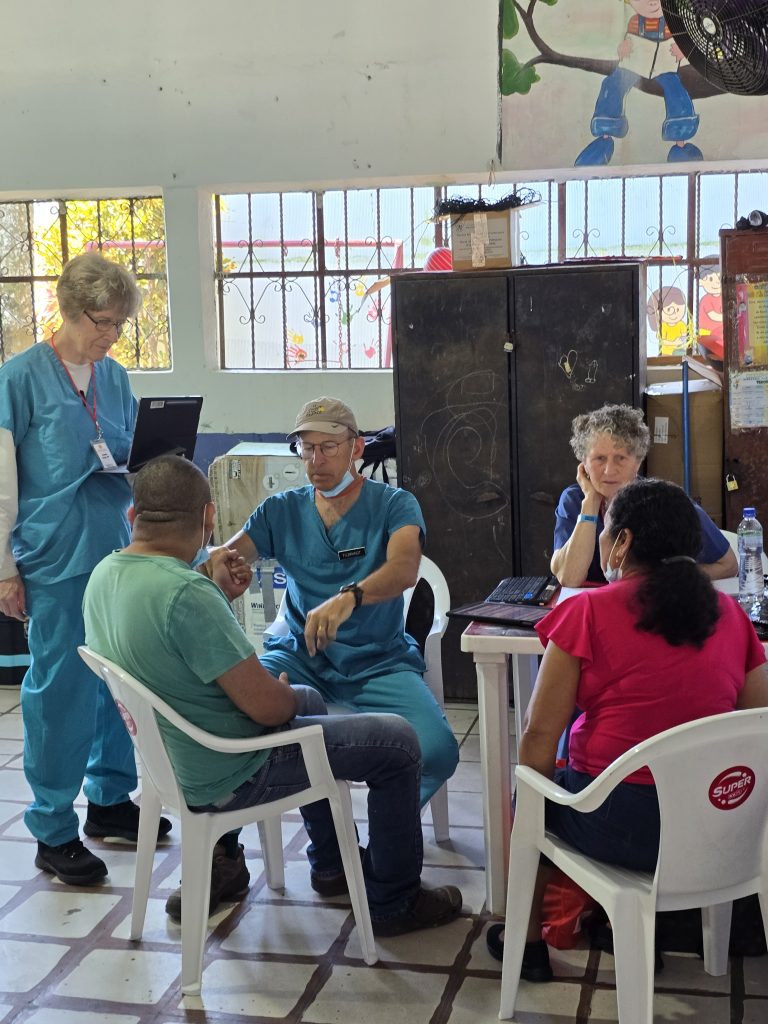
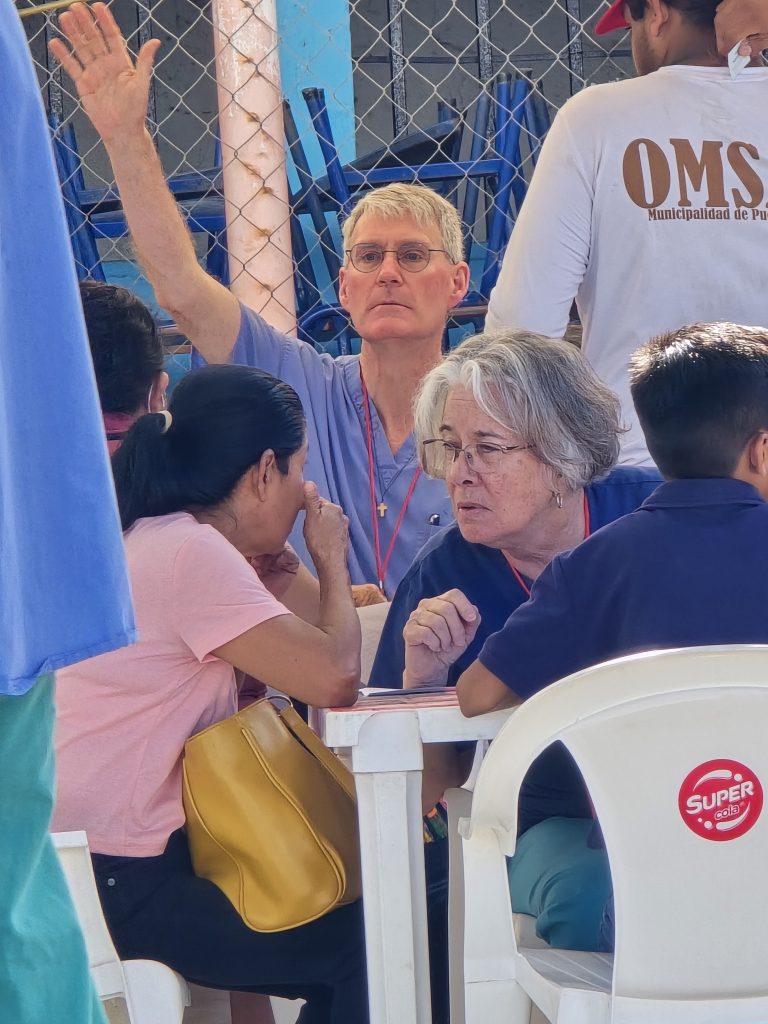
The courtyard serves as the staging area for Triage and where the patient journey really begins. The importance of triage cannot be overstated. The more efficiently triage works, the quicker we can get people moving into the clinic for treatment, and the more patients we can see during a day. But it is not just about speed. The triage team (a trained medical professional paired with a translator) talks with each patient to get a clear picture of the patients concerns, complaints, symptoms, preexisting conditions, prior treatments and current medications. This information is then added to their profile in the system. Based on this interview, our triage team determines the best course of treatment and the order of clinics to assign each patient to. Once triage is completed, one of the Red Hats escorts the patient to the waiting area outside their first assigned clinic, where they will be seen by the specialist in the order of arrival. The work in triage continues all day, until the very last patient comes through the gate.
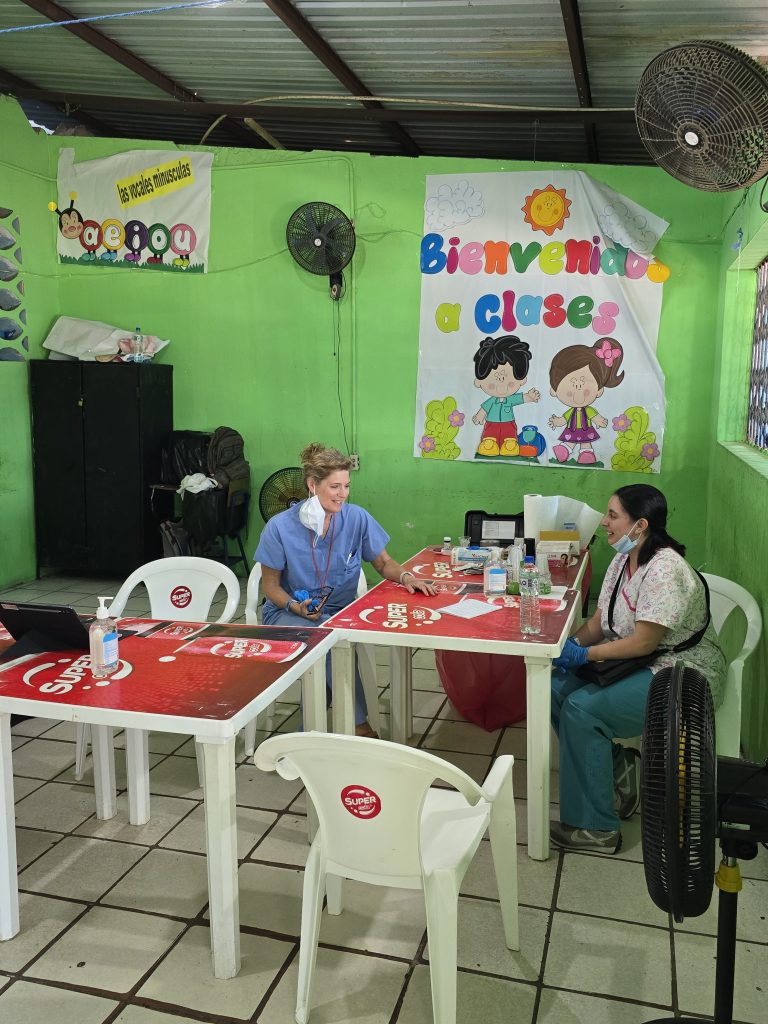
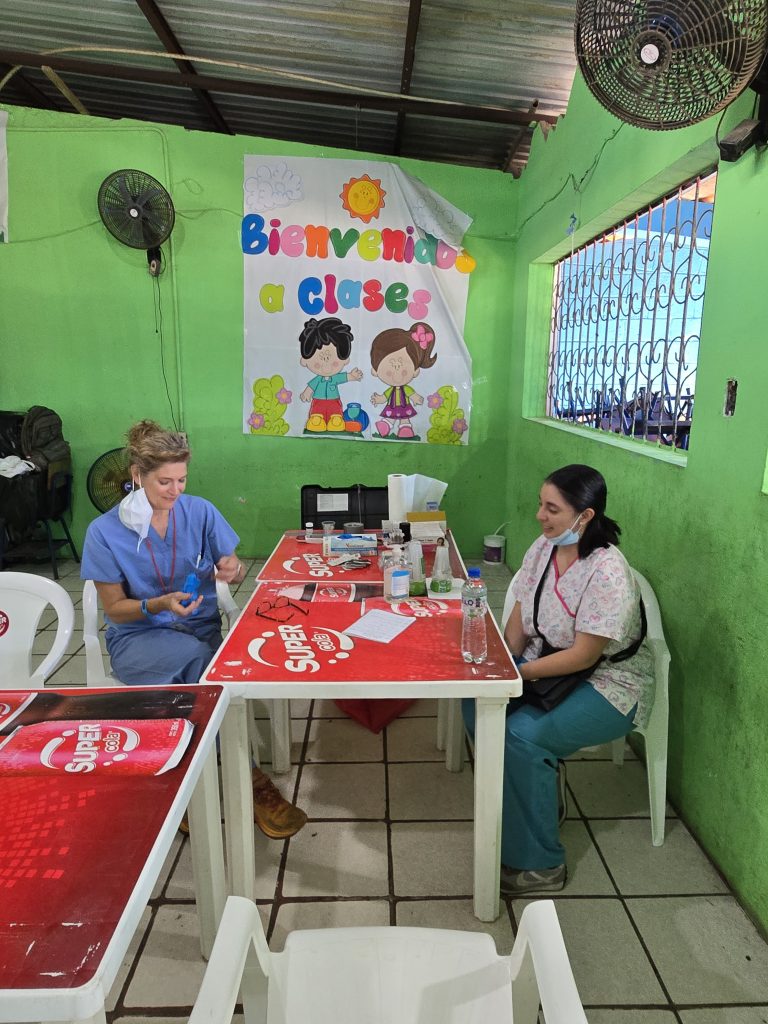
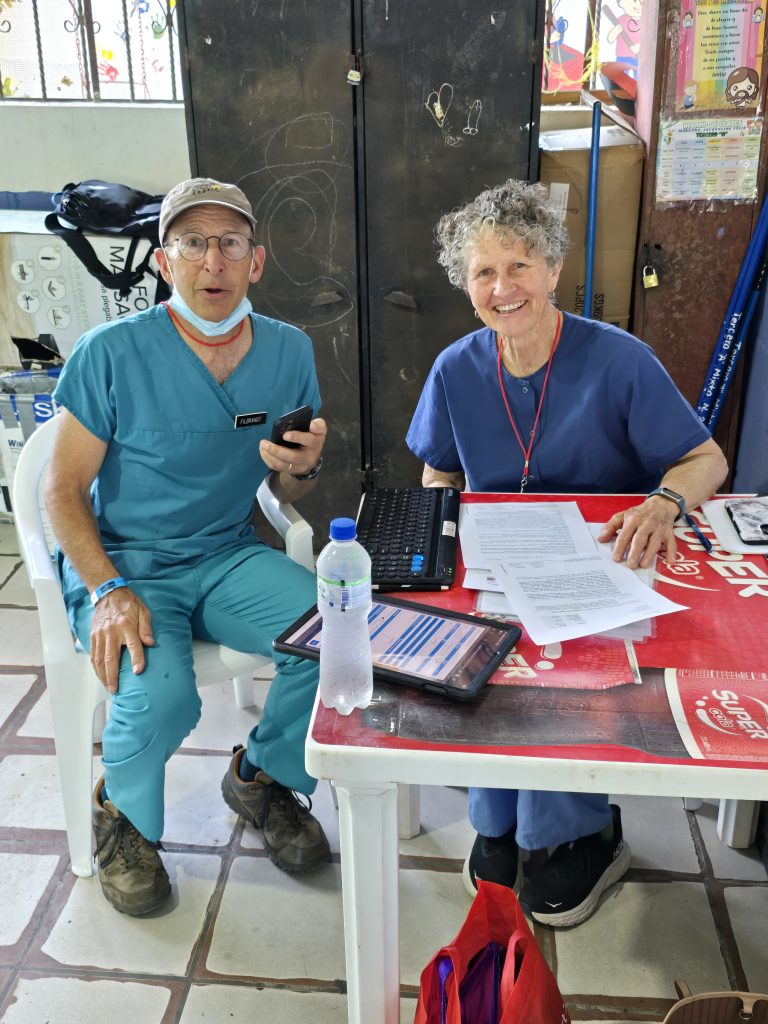
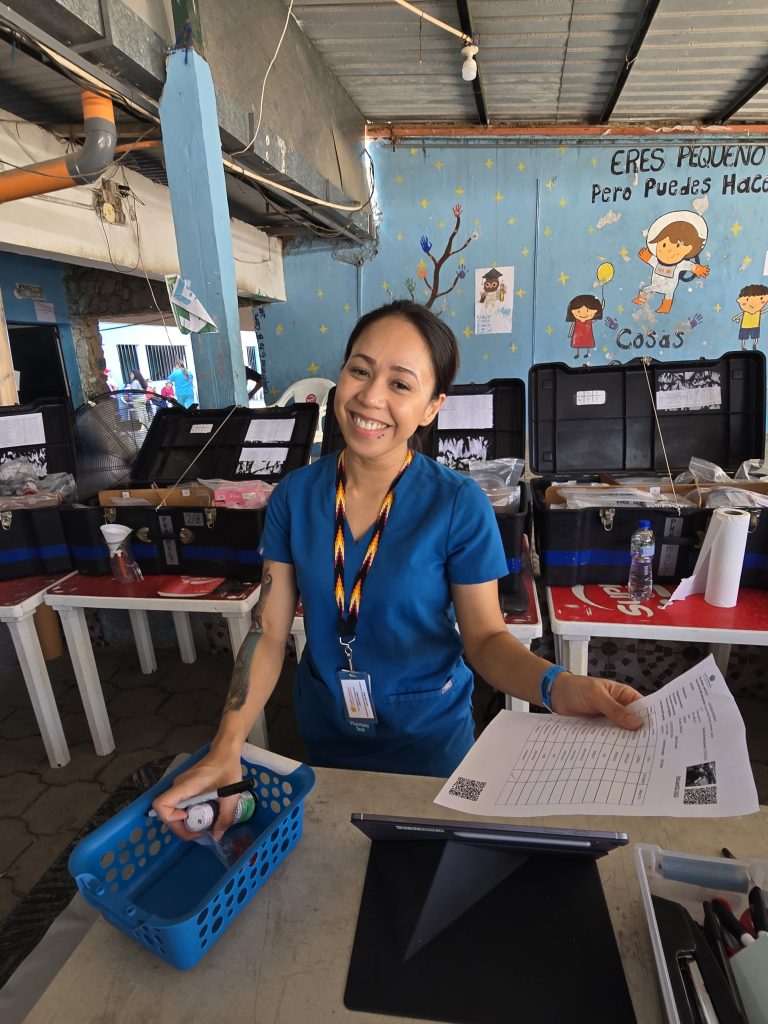
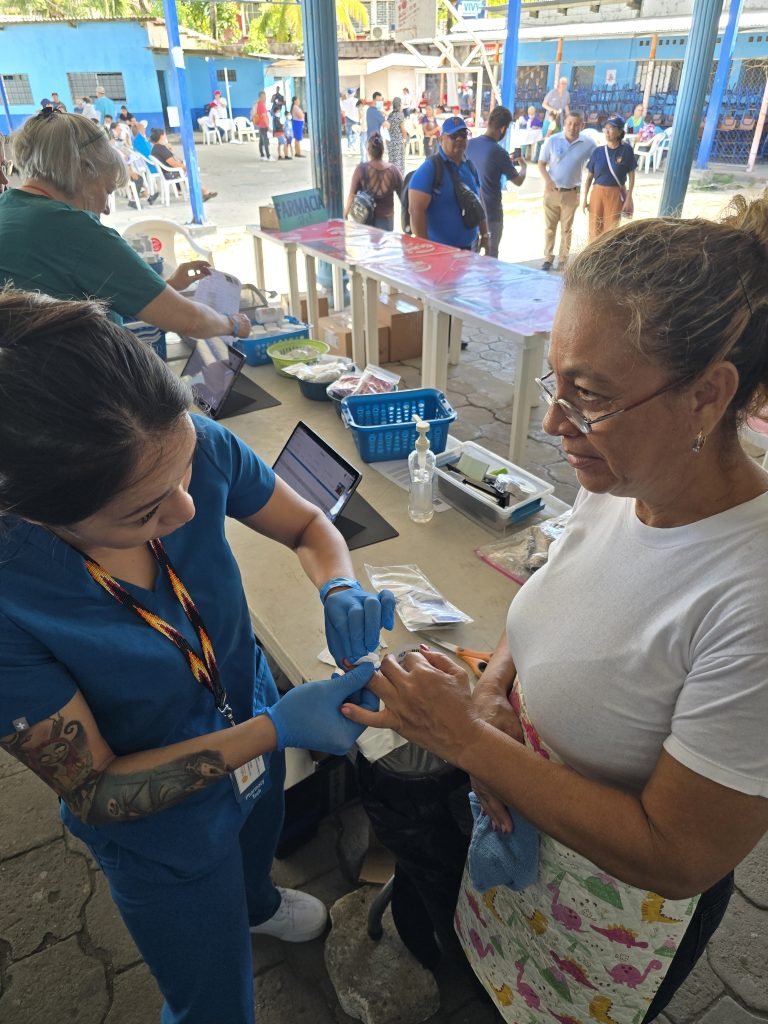
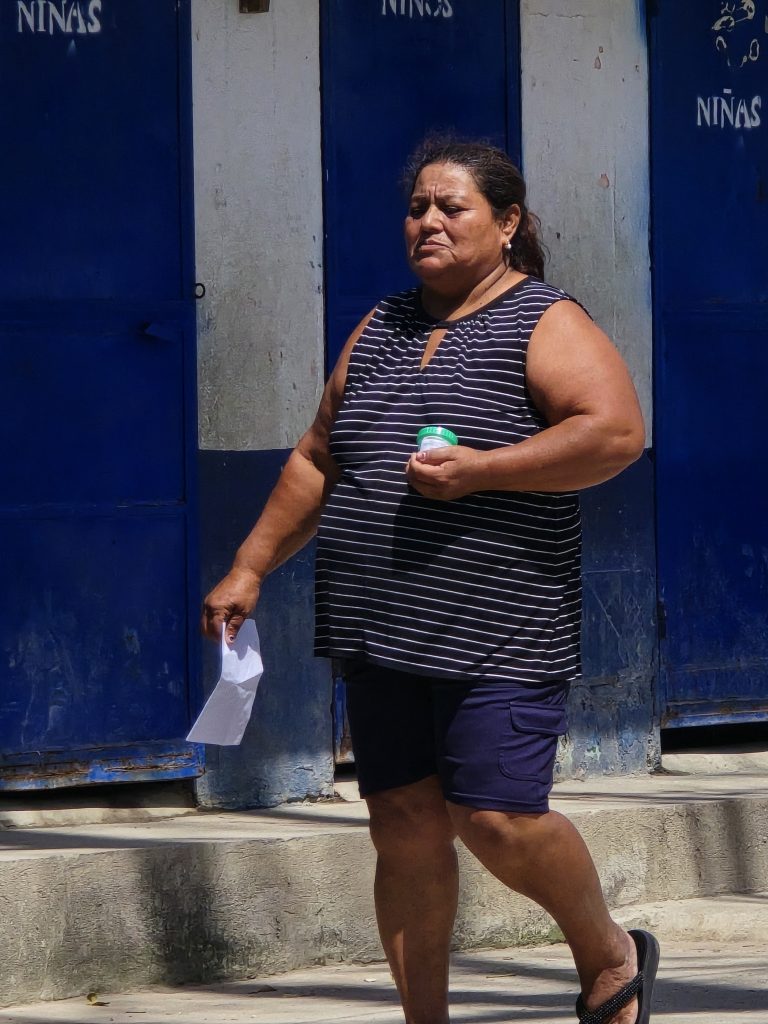
My job is in the lab. Since visits to the lab are only after the patient has been referred by one of the specialists, there was going to be a little lag time before patients started arriving. I took the opportunity to wander a bit, to burn off some nervous energy and see some of the other parts of the clinic getting started.
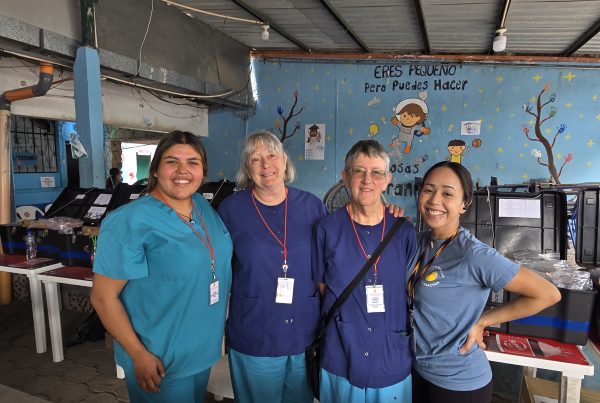
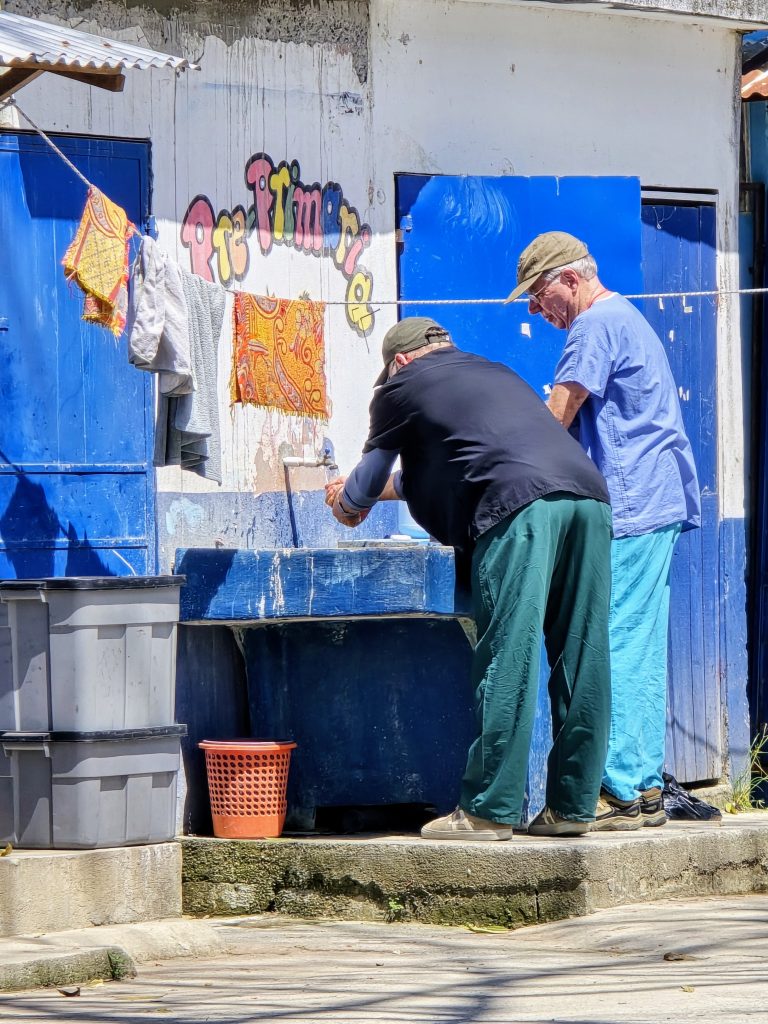
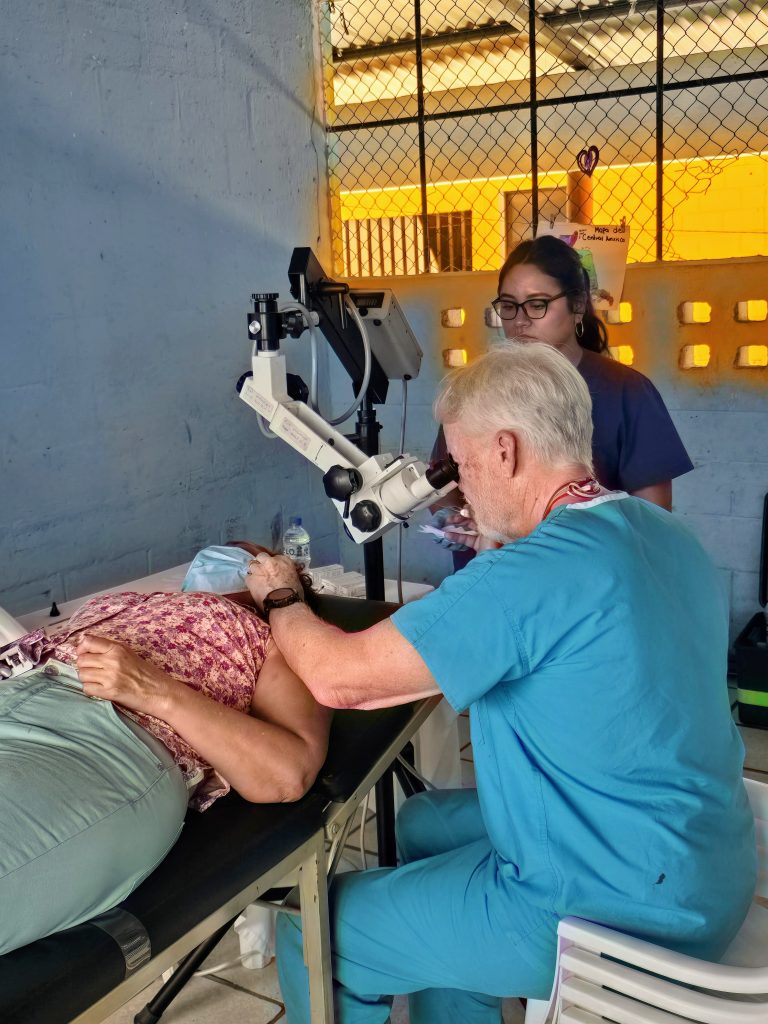
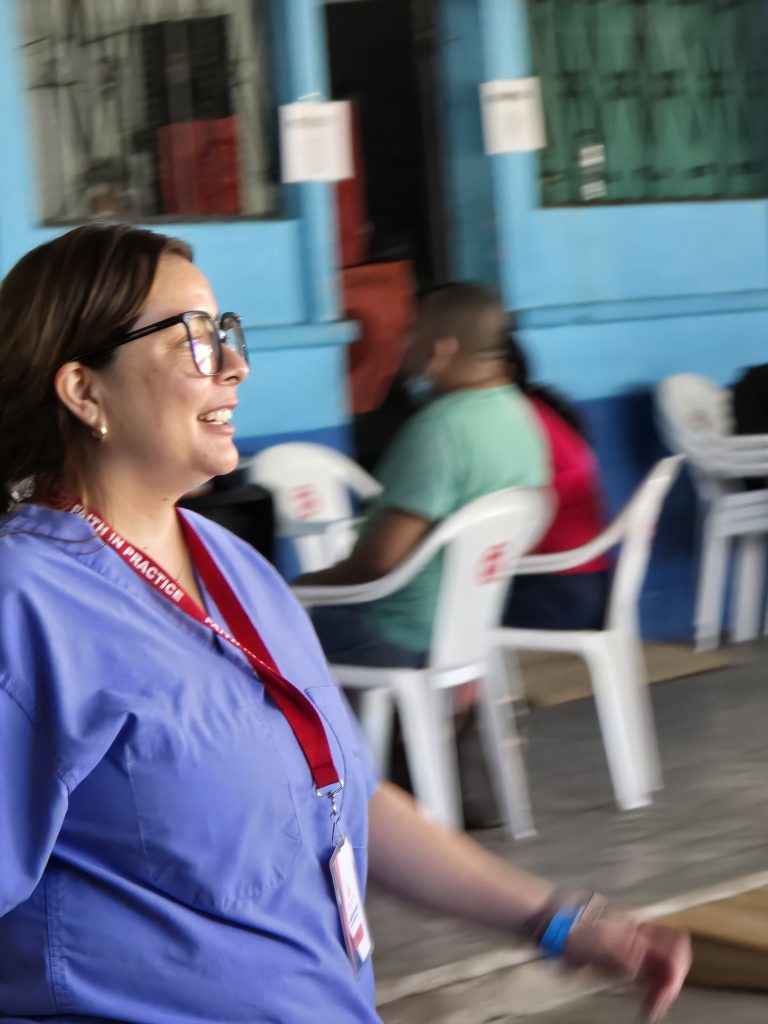
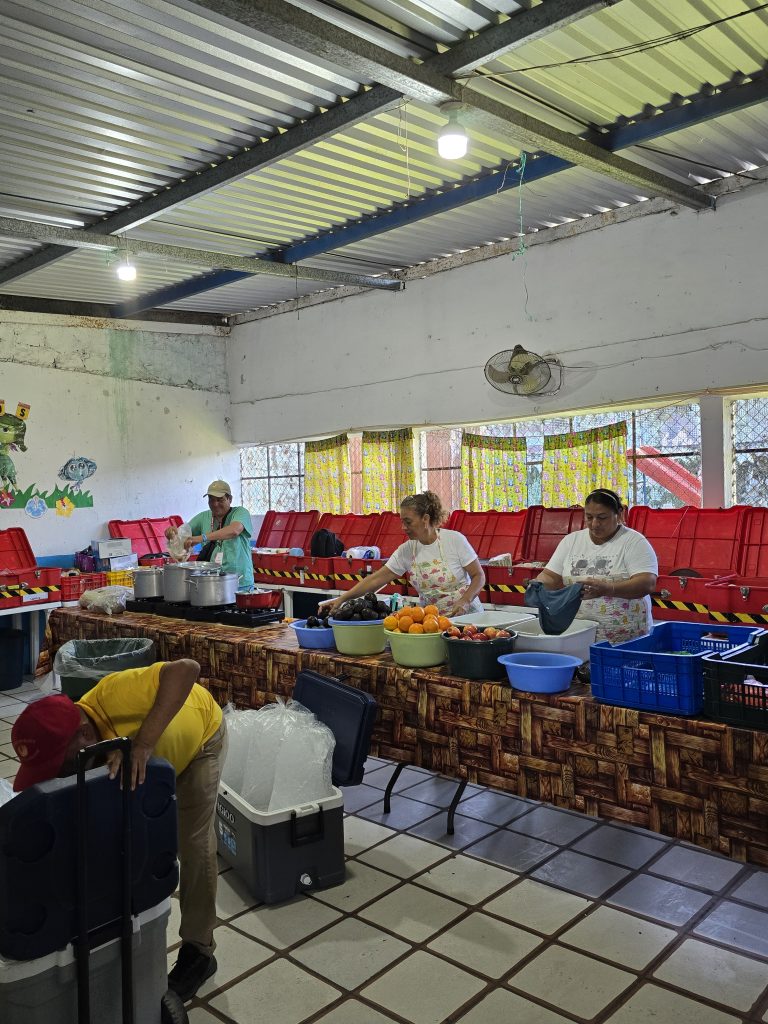
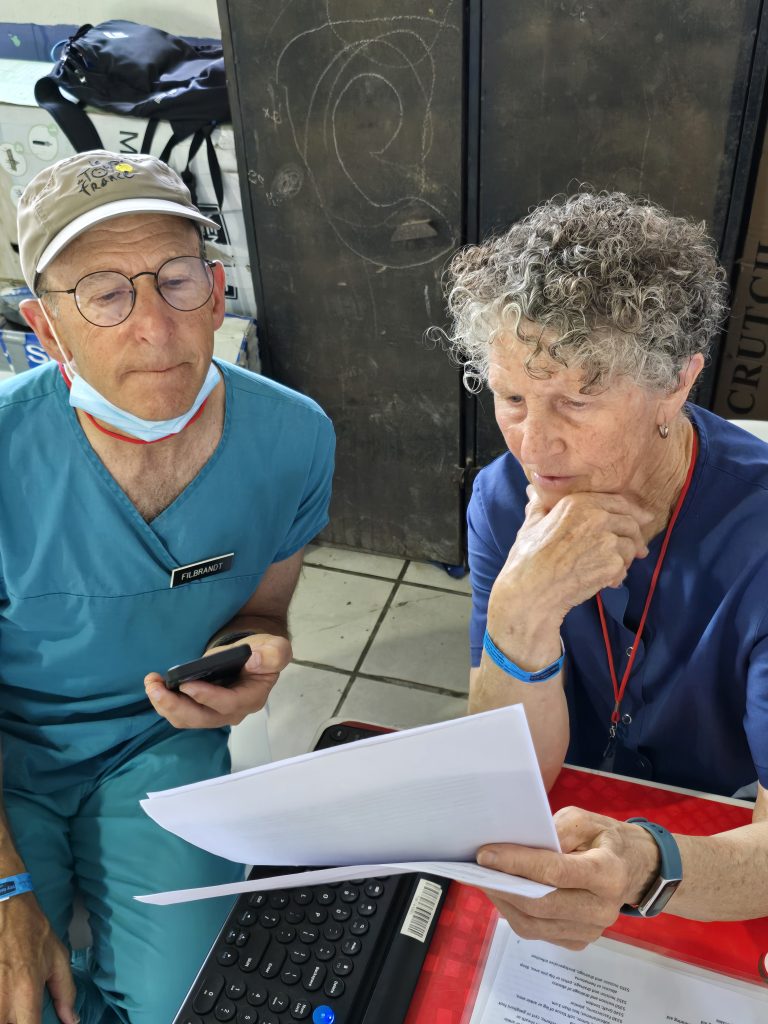
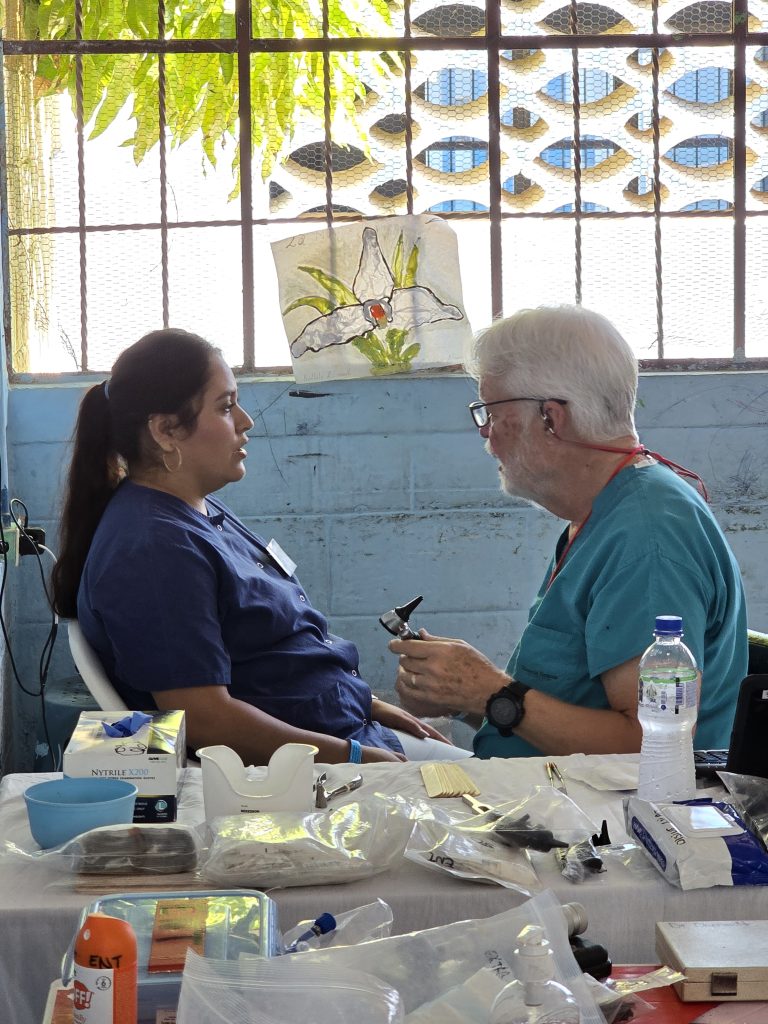
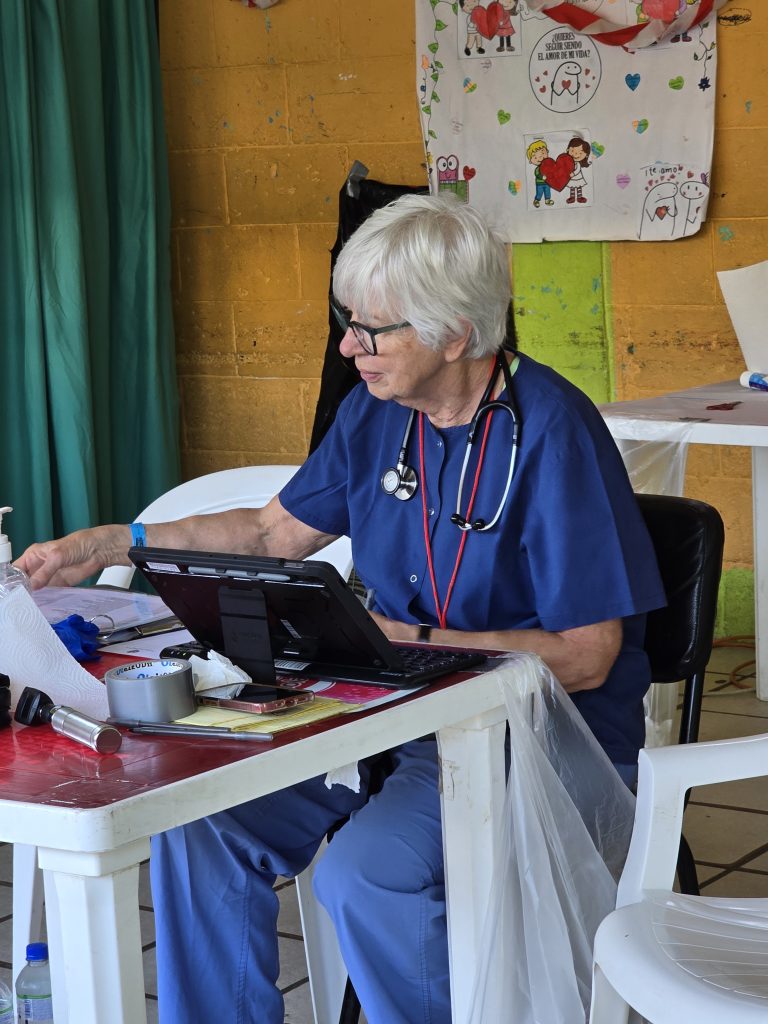
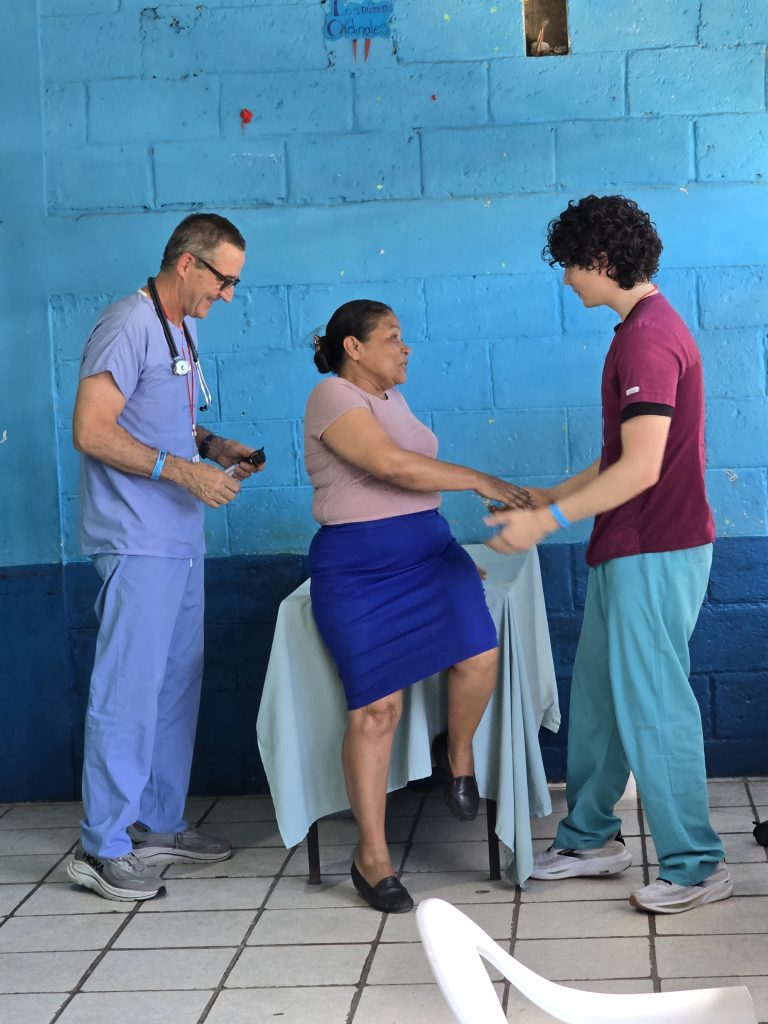
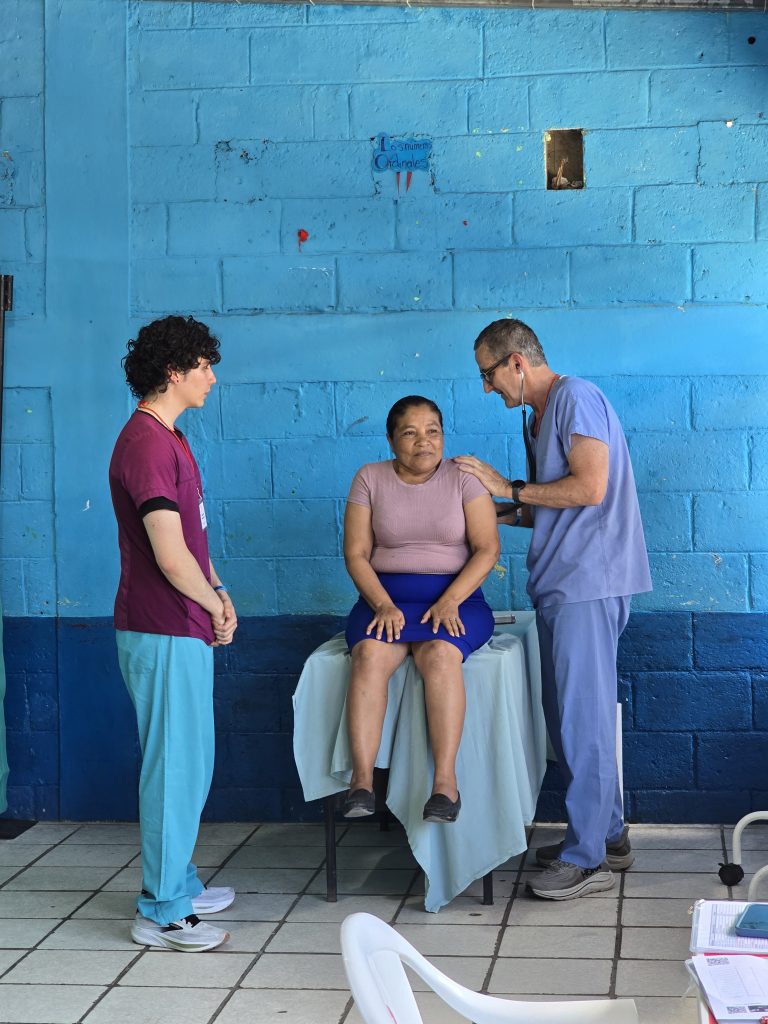
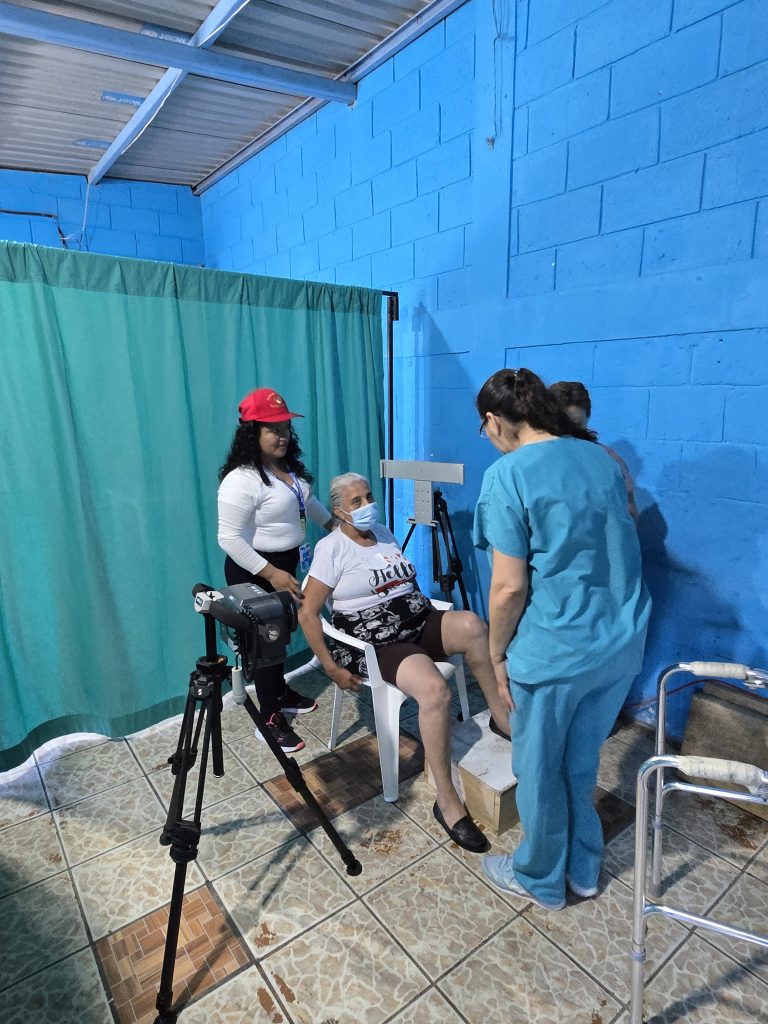
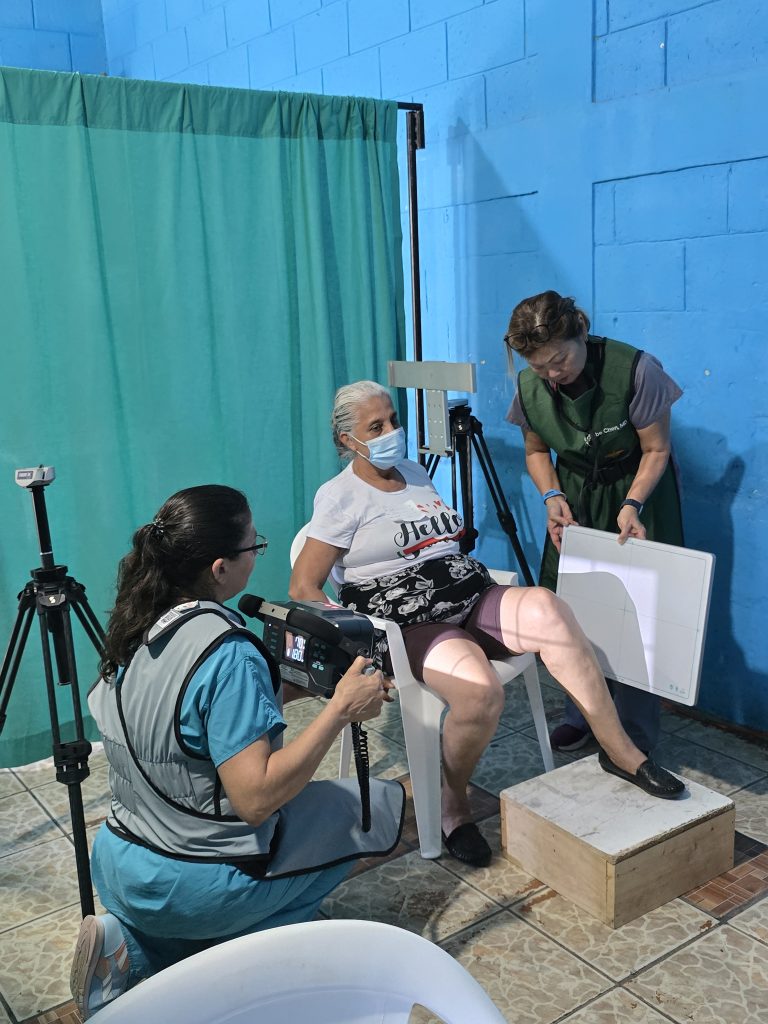
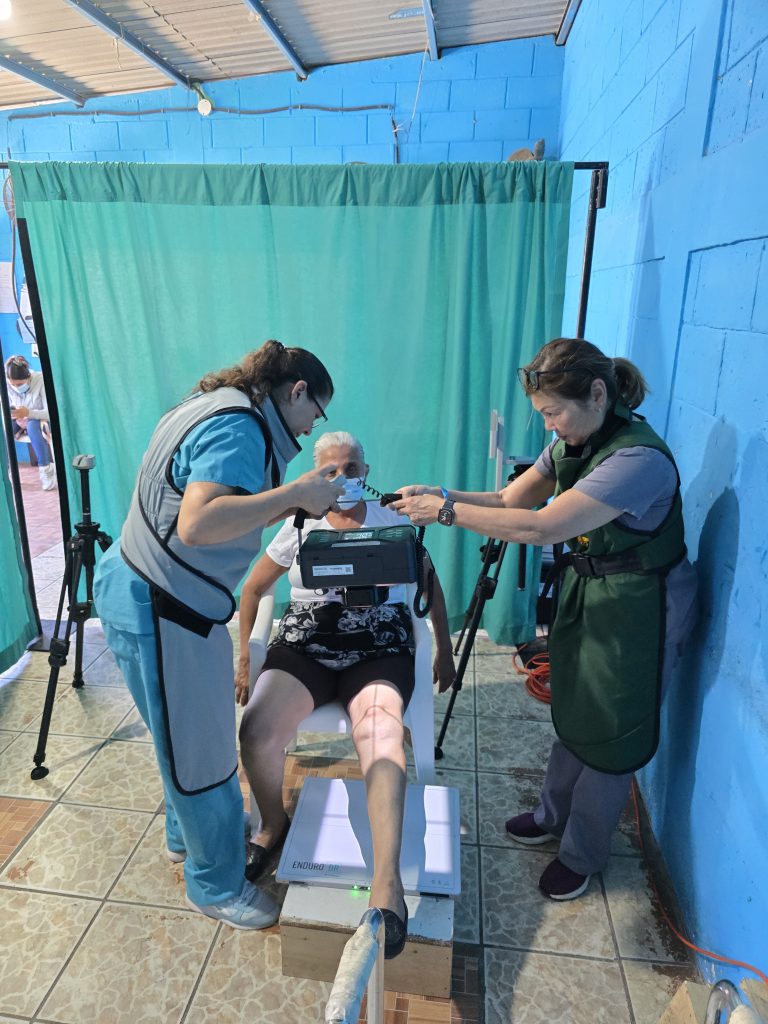
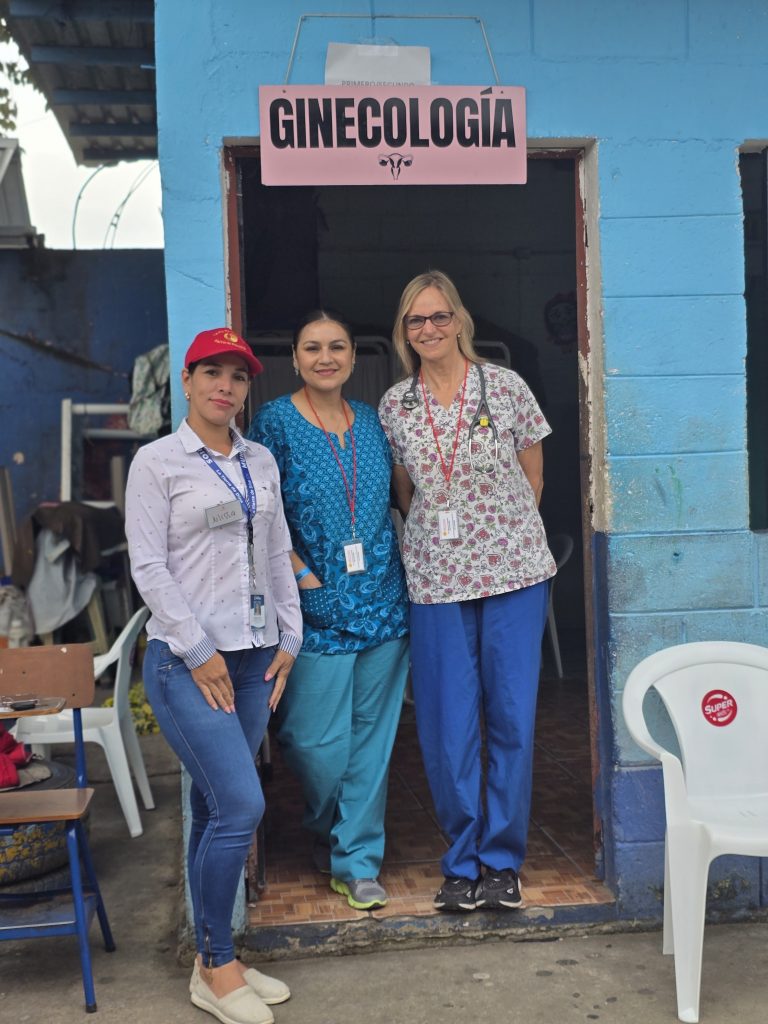
As I walked down the corridor where the individual specialties had set up shop, I didn’t encounter others’ nervous energy. Quite the contrary. What struck me was how at ease all of the doctors and nurses seemed. In their “normal” lives they are accustomed to working either in private practices or a large hospital. Their surroundings are usually comfortable and are most certainly highly sanitary. They are used to having the tools and equipment and supplies they need readily at hand, trained support staff to assist them and routines and systems they are familiar with. Not so here. And yet, to a person, the doctors and nurses seemed unfazed, getting right to work, “using what they have, doing what they can”.
What I saw was an unhesitating drive to serve…a potent cocktail of selflessness, expertise, empathy, professionalism, fearlessness and calm.
I knew then that we were going to have a very good day.