Clinic Day 2: Finding the Rhythm
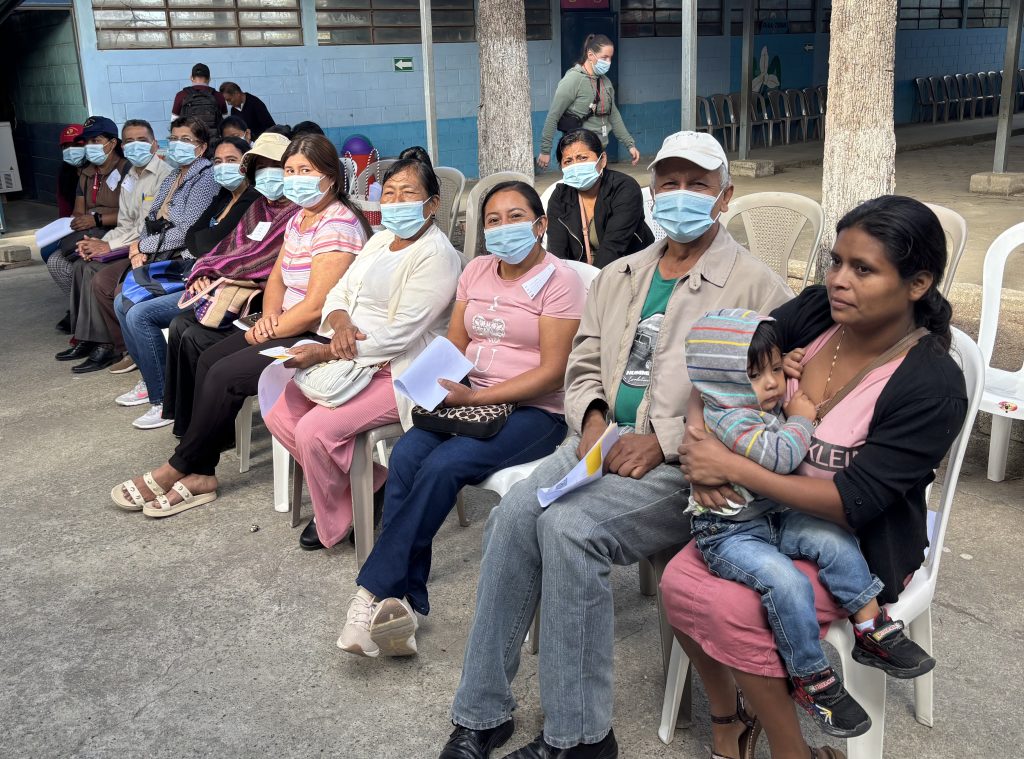
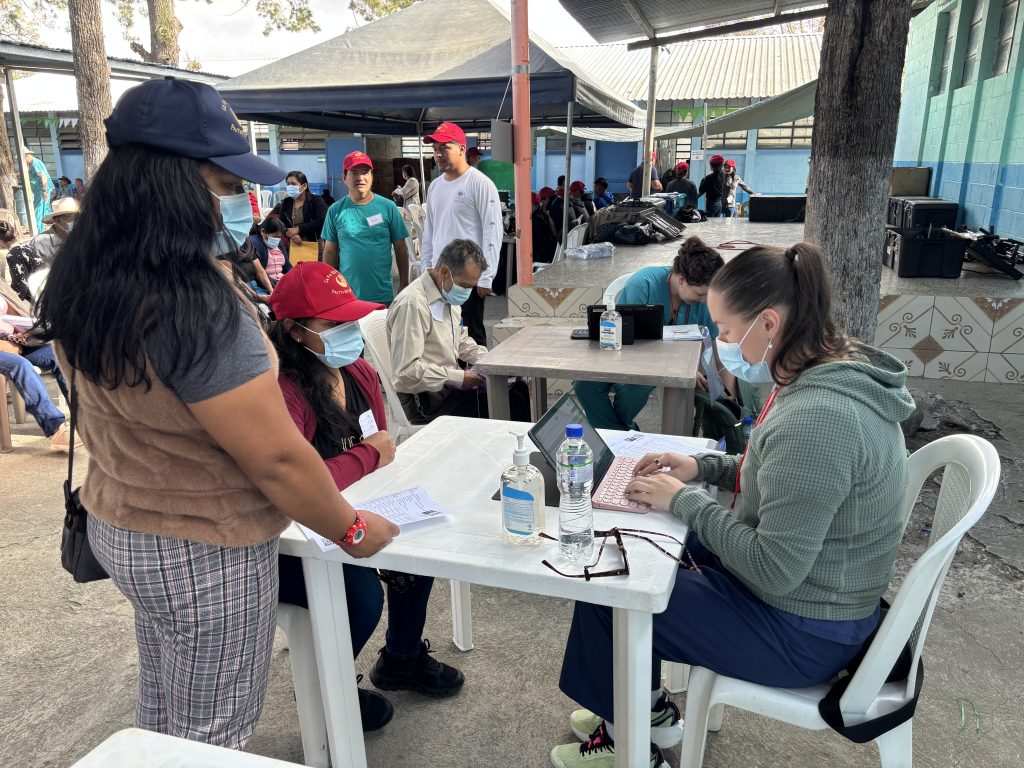
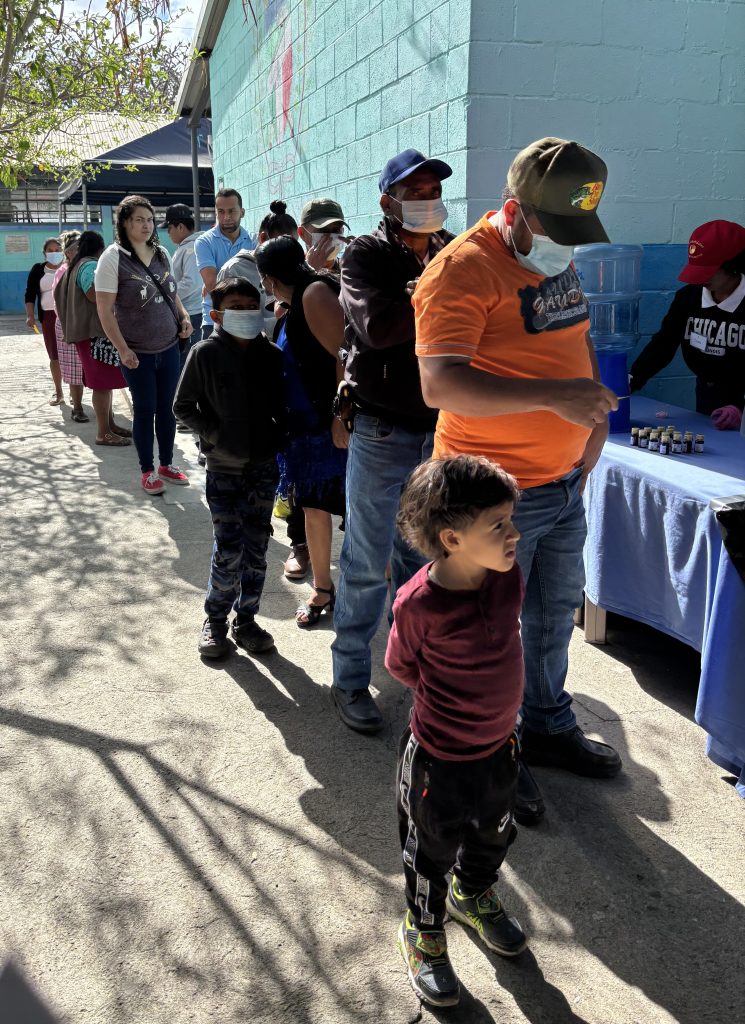
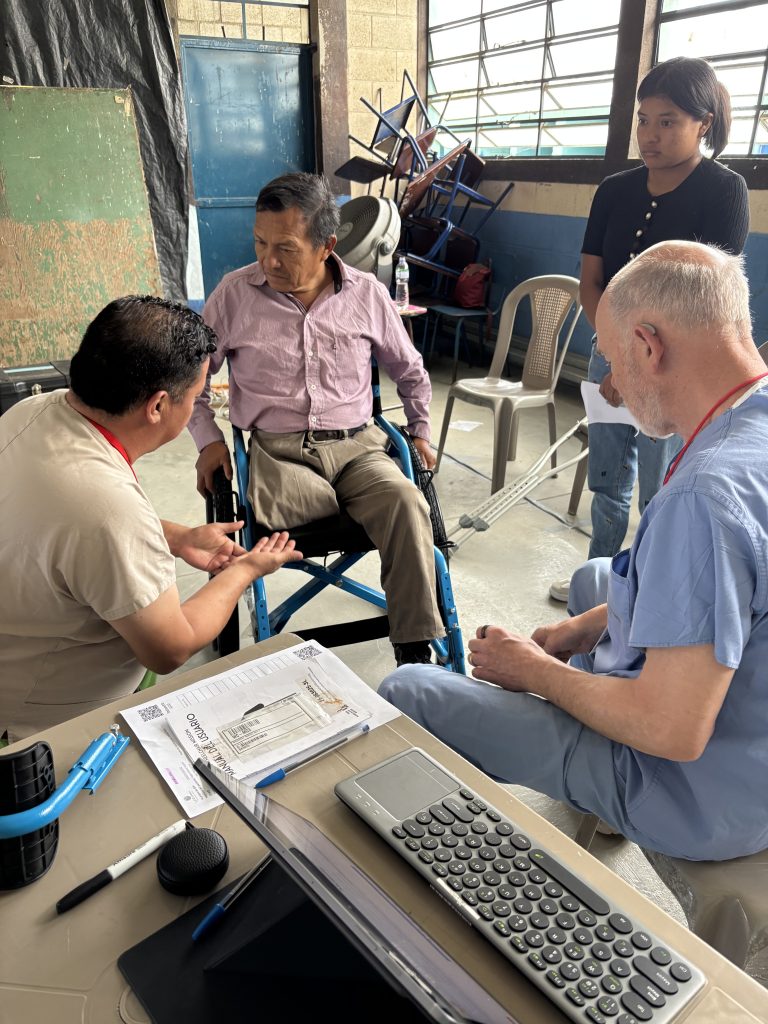
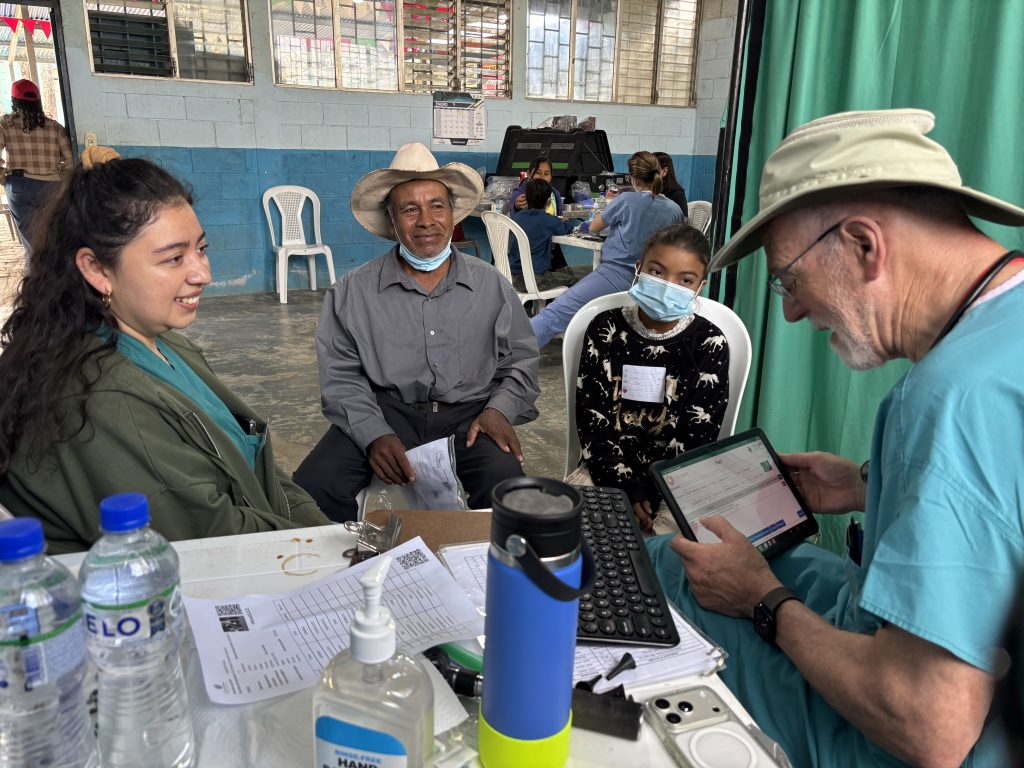
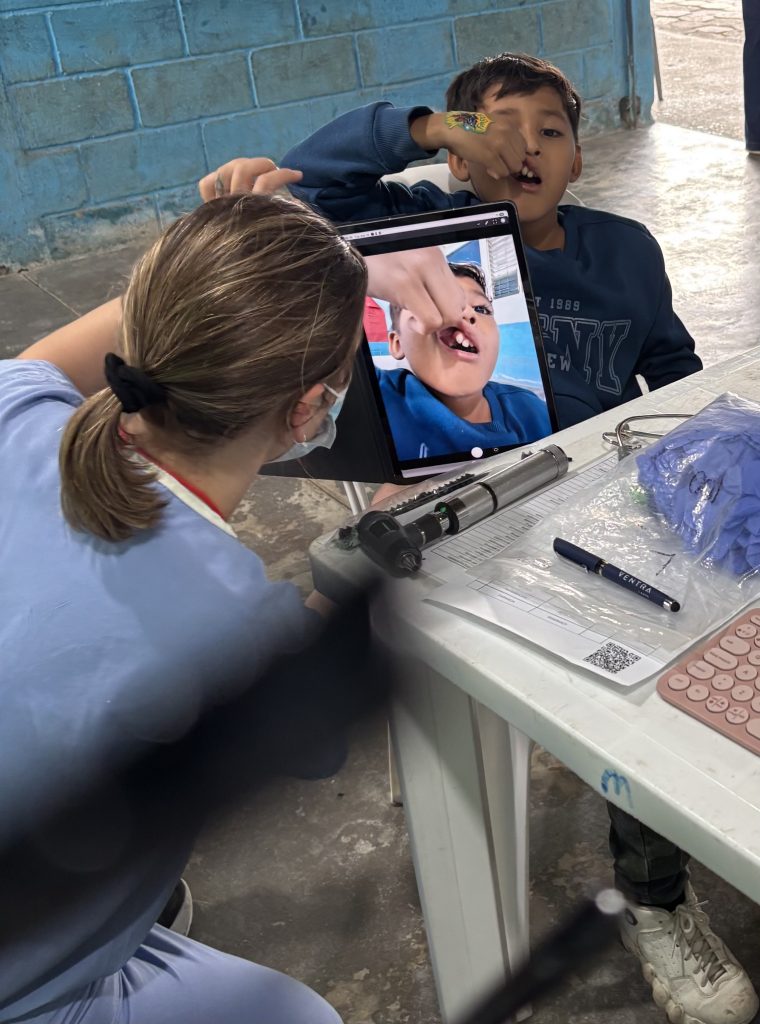
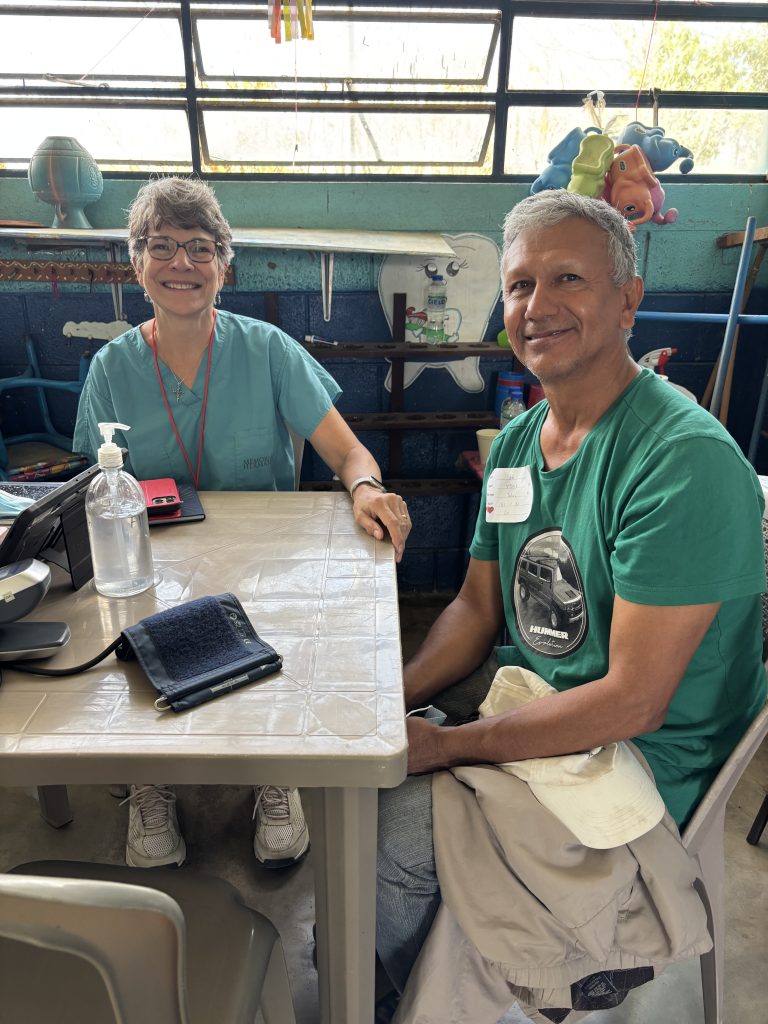
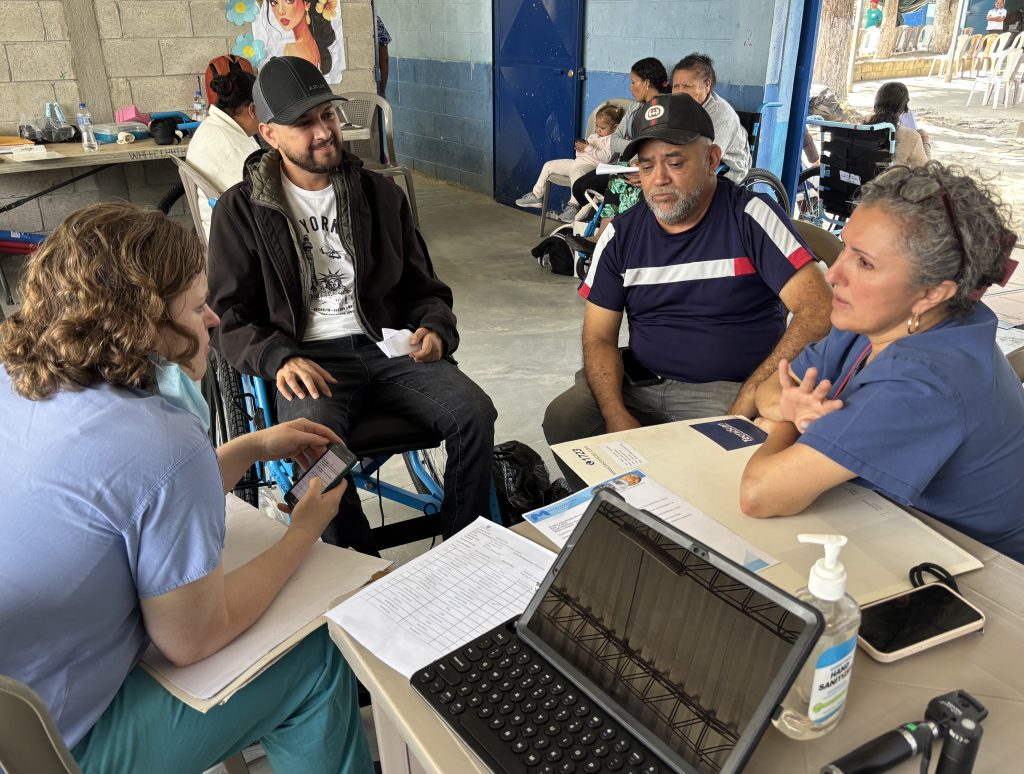
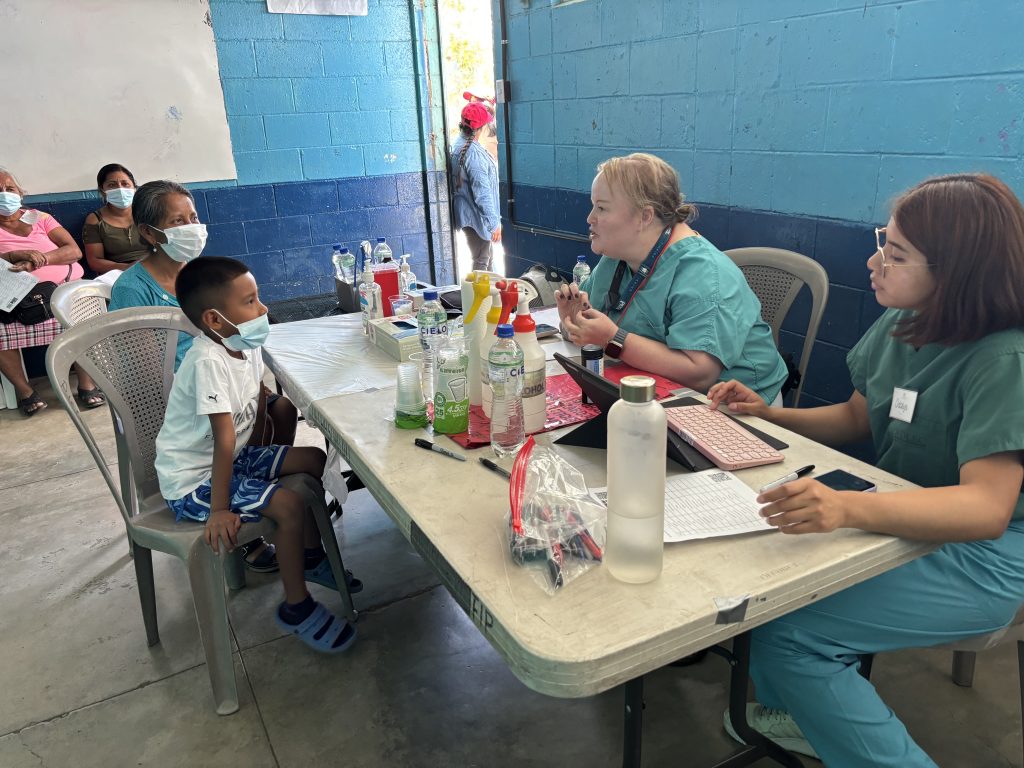
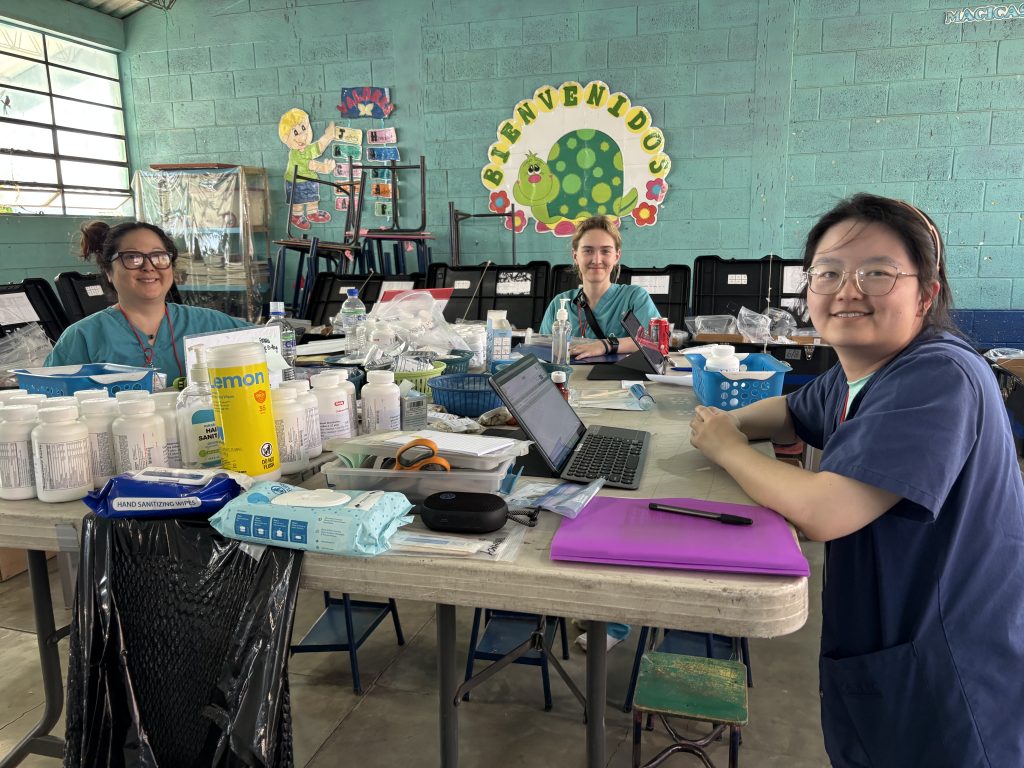
By the second morning, the clinic begins to find its rhythm. We arrive once again to long lines of patients and family members, but everything feels more coordinated and efficient. The doctors are more comfortable navigating their tablets and clinic software, and the translators return refreshed, now fluent in the specific medical terminology needed for the work. The “red hats,” our local village volunteers, seamlessly guide patients between departments, while the wheelchair and lab teams have settled into their workflows and adapted to the quirks of their equipment.
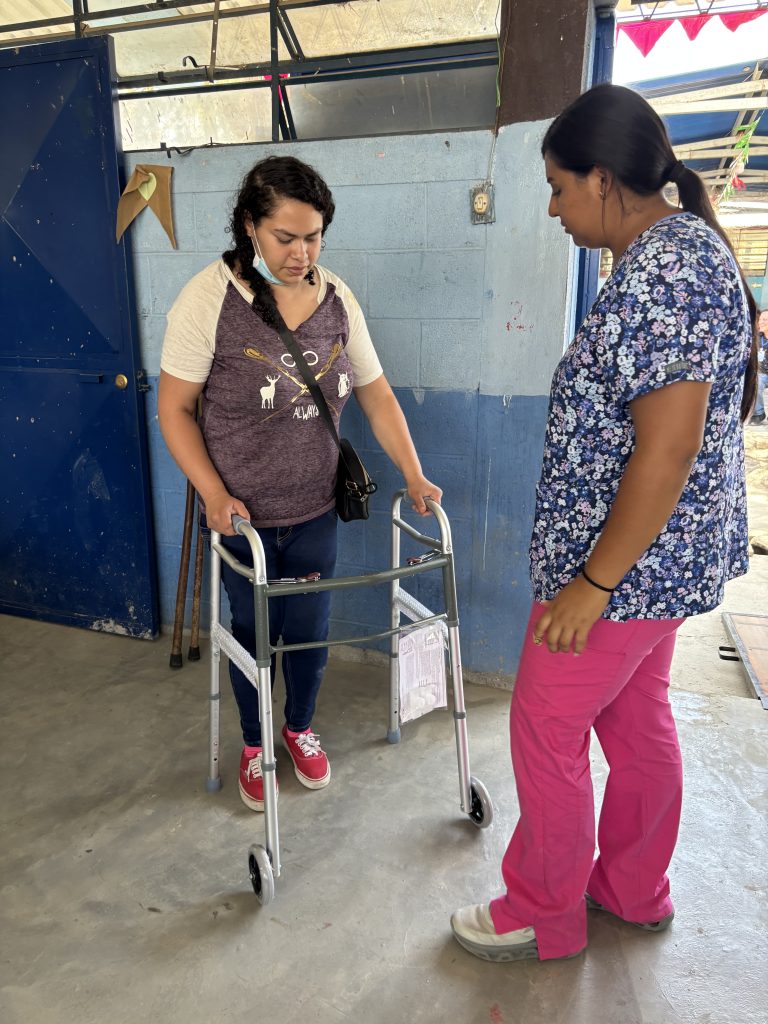
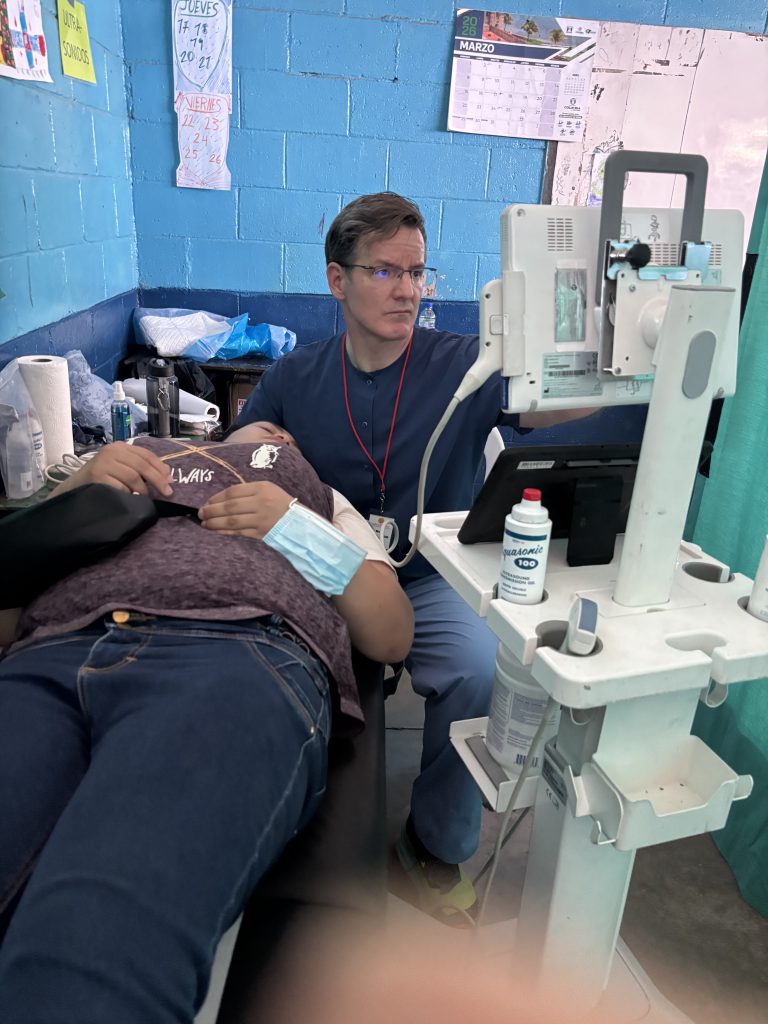
The medical team cares for patients with a wide range of needs. One patient who stood out today was Andrea, a 27-year-old woman who arrived visibly frightened. She shared that over the past few months she had begun walking more slowly, and just a month ago, woke up unable to move her limbs well. She presented with tremors, and after consultation between general medicine and radiology, including an ultrasound, the team suspected Parkinson’s disease. She was referred to neurology, and our physical therapy team provided her with a walker and exercises to help strengthen her arms and legs. Her relief in receiving a walker was immediate—she was so grateful to have a tool that would allow her greater independence in her daily life.
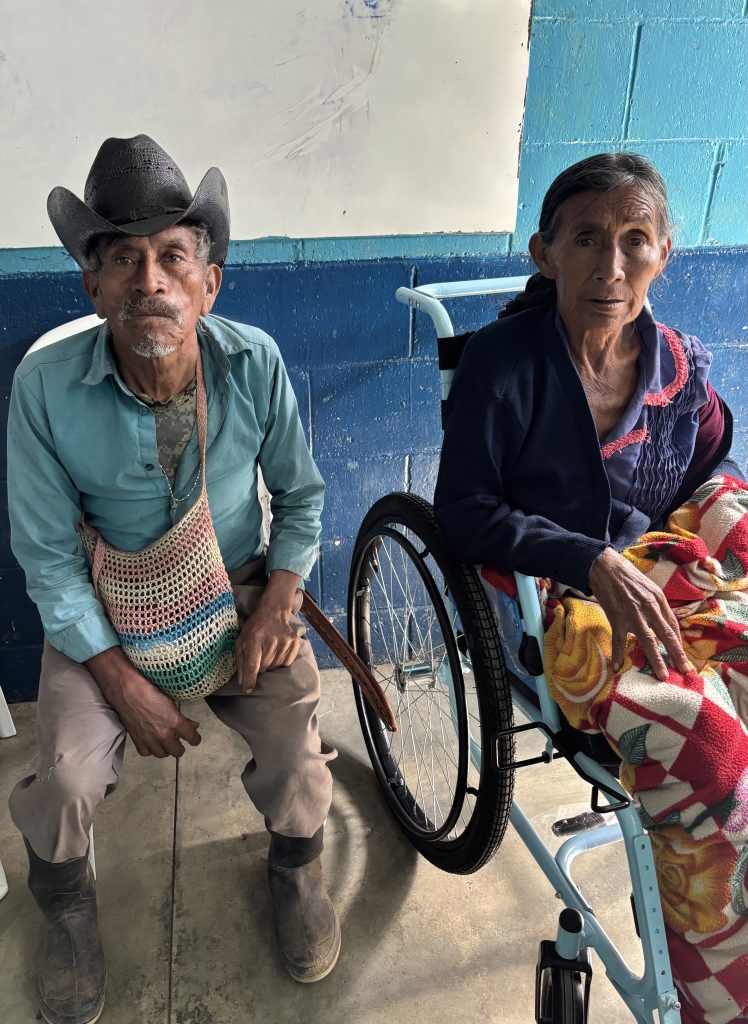
Another patient, also named Andrea, is 67 and suffered a stroke four years ago. She came hoping to regain some movement on her left side. She and her husband were taught how to work together on physical therapy exercises at home to improve her range of motion. She was also given a wheelchair to help her husband safely assist her around their home and village. In addition, she received vitamins to address low iron, hydration salts for low blood pressure, and a referral for cataract surgery due to her limited vision. She lit up when she was able to choose a pair of reading glasses at the pharmacy.
In orthopedics, a 40-year-old woman shared the lasting impact of a severe car accident from 20 years ago that left her with multiple fractures. A prior surgery resulted in her hip being misaligned, leaving one side significantly higher than the other. She now lives with chronic hip and knee pain and was referred for a hip replacement. The possibility of relief brought visible joy and hope.
Medical mission work is both physically demanding and emotionally complex. Our team continues to show compassion, patience, and dedication in every interaction with patients and their families. We are deeply humbled by the resilience and warmth of the Guatemalan people.
On the second day of clinic, we see more opportunity to make a meaningful difference.