Day 4 – Team Thompson 923 – Wednesday, November 11, 2026
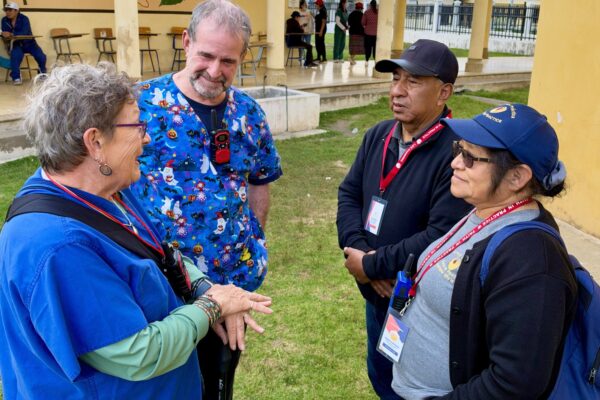
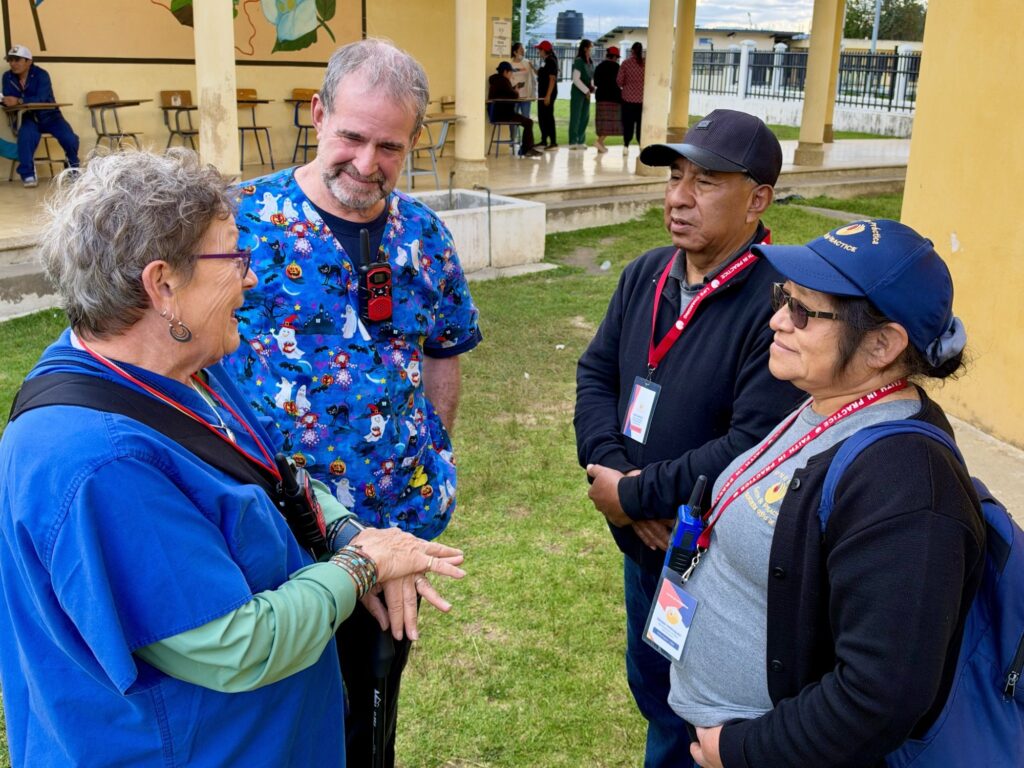
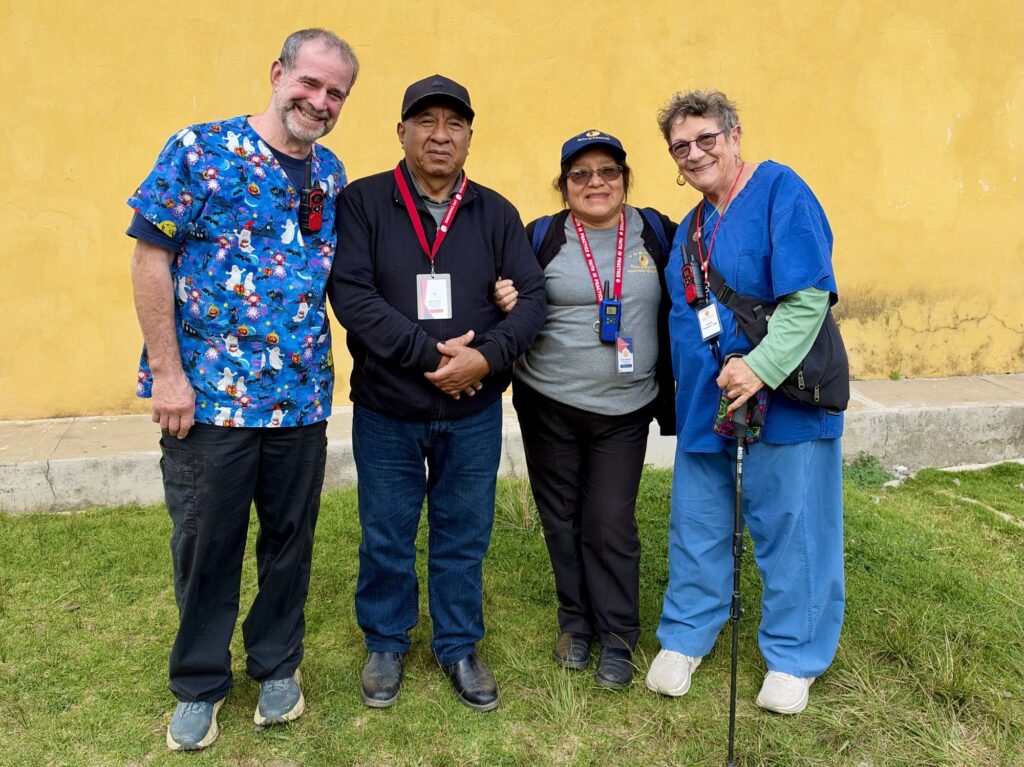
One of the best ways to understand a Faith in Practice experience is to talk with team members. Today I spoke with first-time volunteer X-ray technician Jason Groessel, along with veteran volunteers and Team Leaders Felicity Thompson and Richard Rosenthal.
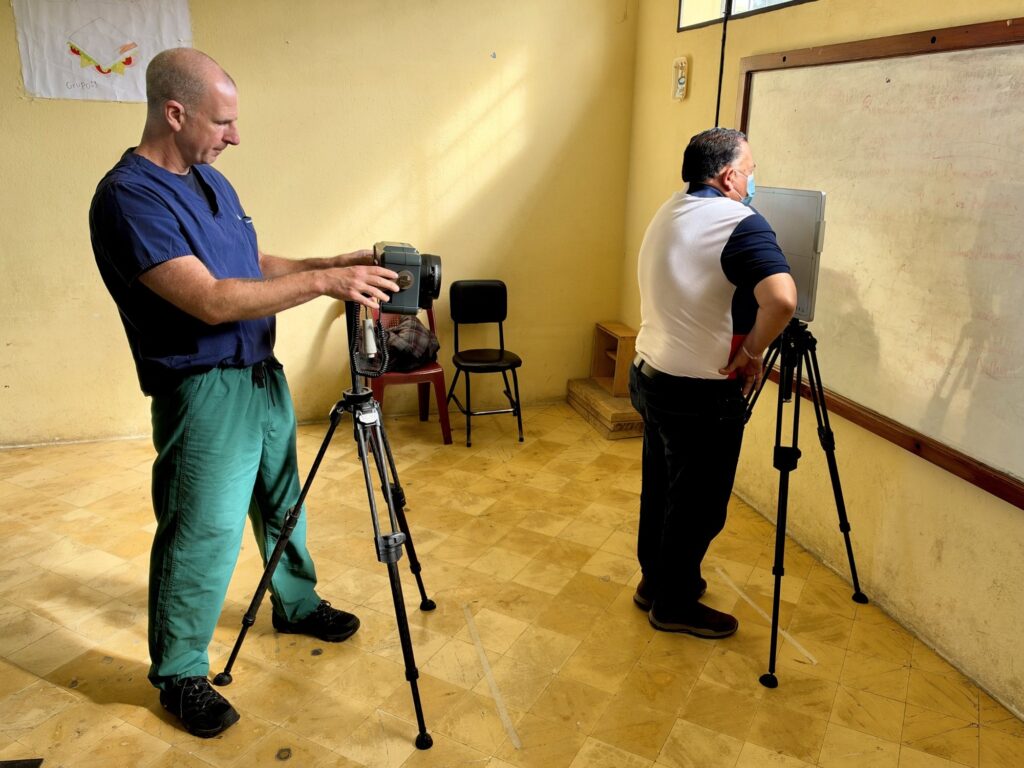
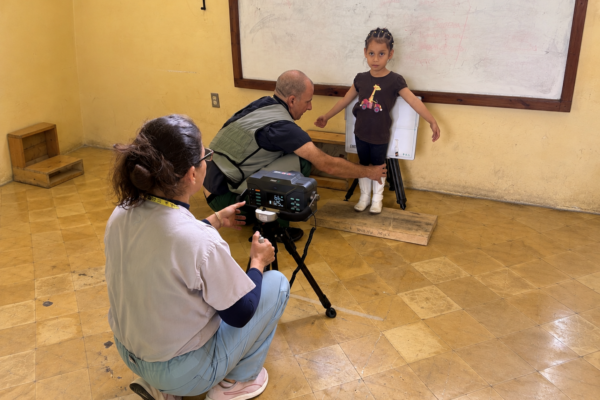
Meet Jason Groessel: “This Is How Healthcare Should Be”
Jason was happy to chat and eagerly declared, “This is how healthcare should be. Everyone should have access to the healthcare they need when they need it.”
For Jason, the village team model delivers on that idea. Everything is centralized in one team, and a daily morning meeting keeps everyone connected and focused on why they’re here. “We actually get to provide patient care, which is why we all chose healthcare in the first place,” he said, adding that he enjoys the lack of bureaucracy and a focus on patient care.
Expecting primitive, finding something incredible
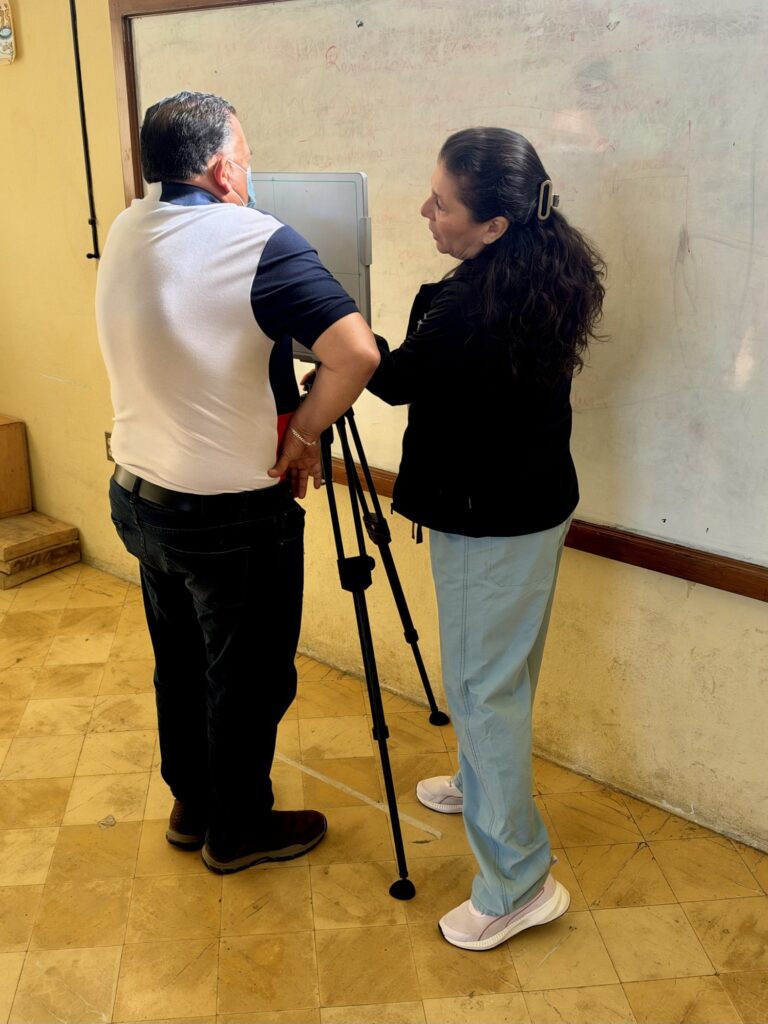
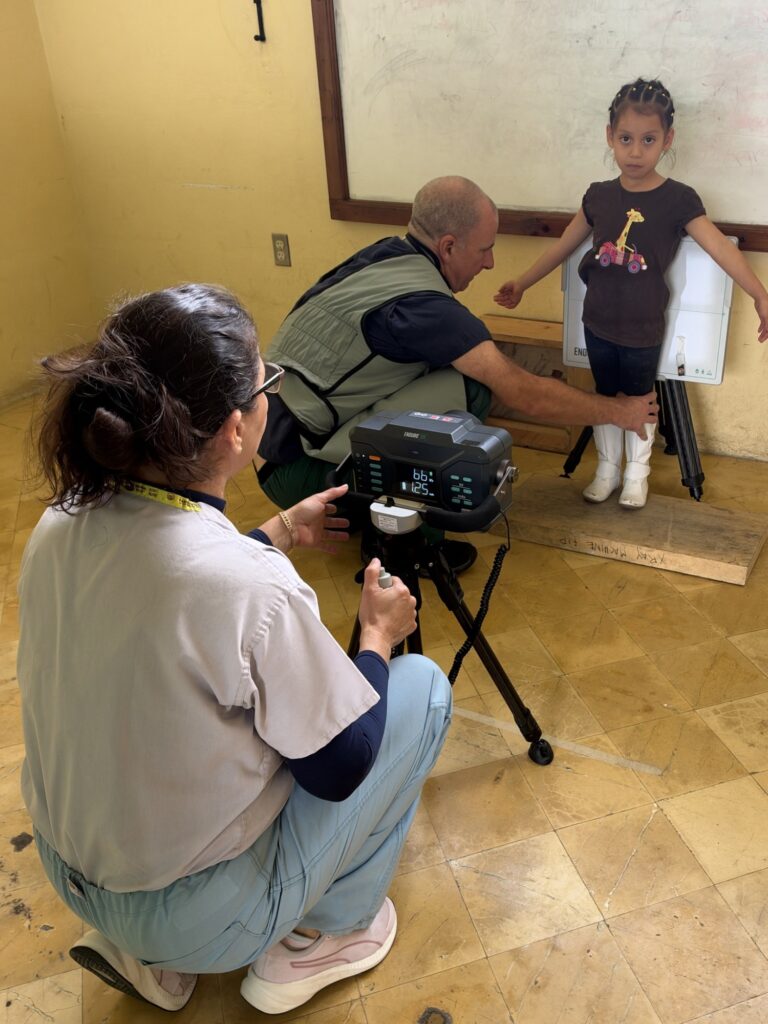
Jason arrived with modest expectations and even wondered whether he would be working with chemicals and developers. Instead, he was amazed that the small camera available to the team could take X-rays. The images are good quality and tell the story of each patient.
Credit where it’s due
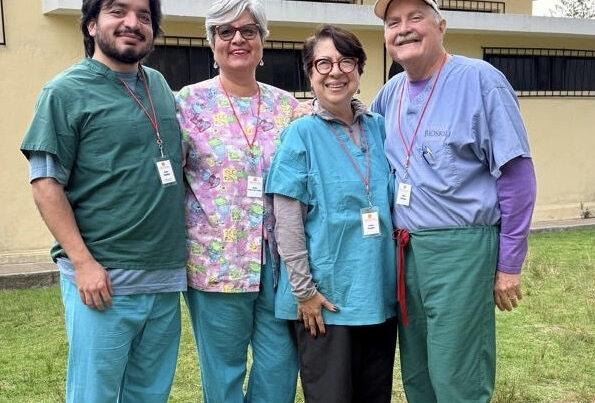
Jason was emphatic about his colleague Helen Gonzalez, an X-ray technologist from Guatemala City who has worked with eight previous teams and trained him: “I couldn’t do this without her. She’s been a huge part of making this work.”
He also credits a local student helping in the X-ray lab, whose translation skills bridge the language gap between patients and the team.
The takeaway
Good communication, a shared purpose, and the freedom to focus on the person in front of you: that’s what Jason found here at our clinic in Totonicapán, and it reminded him why he chose healthcare. We’re glad to have him.
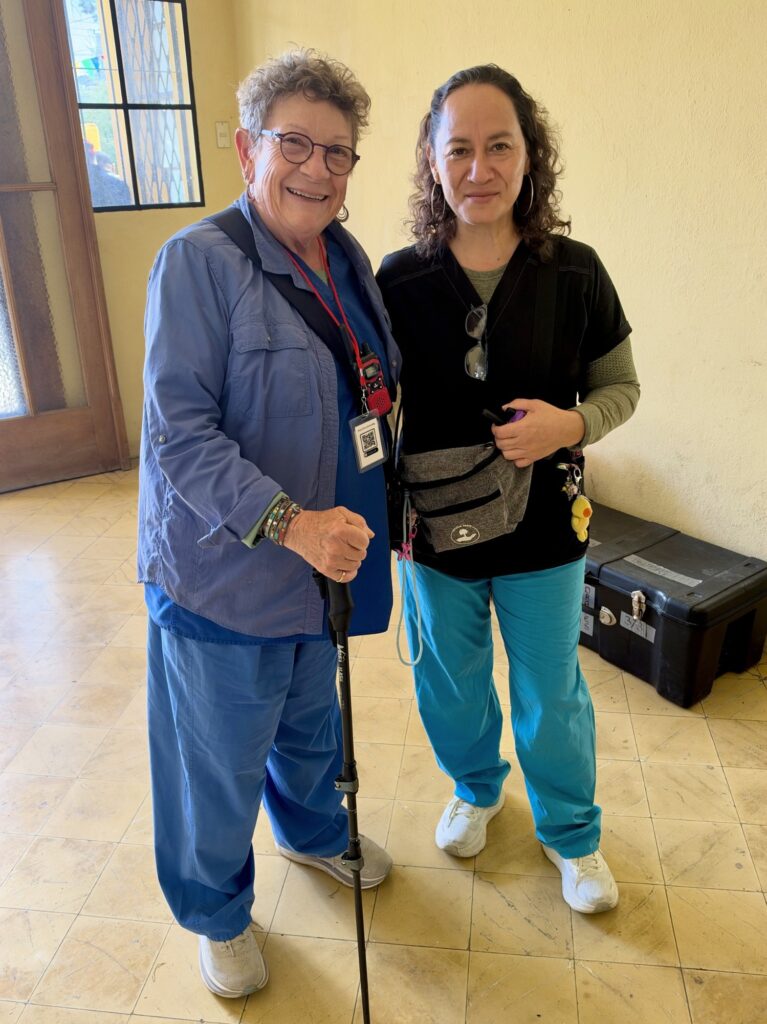
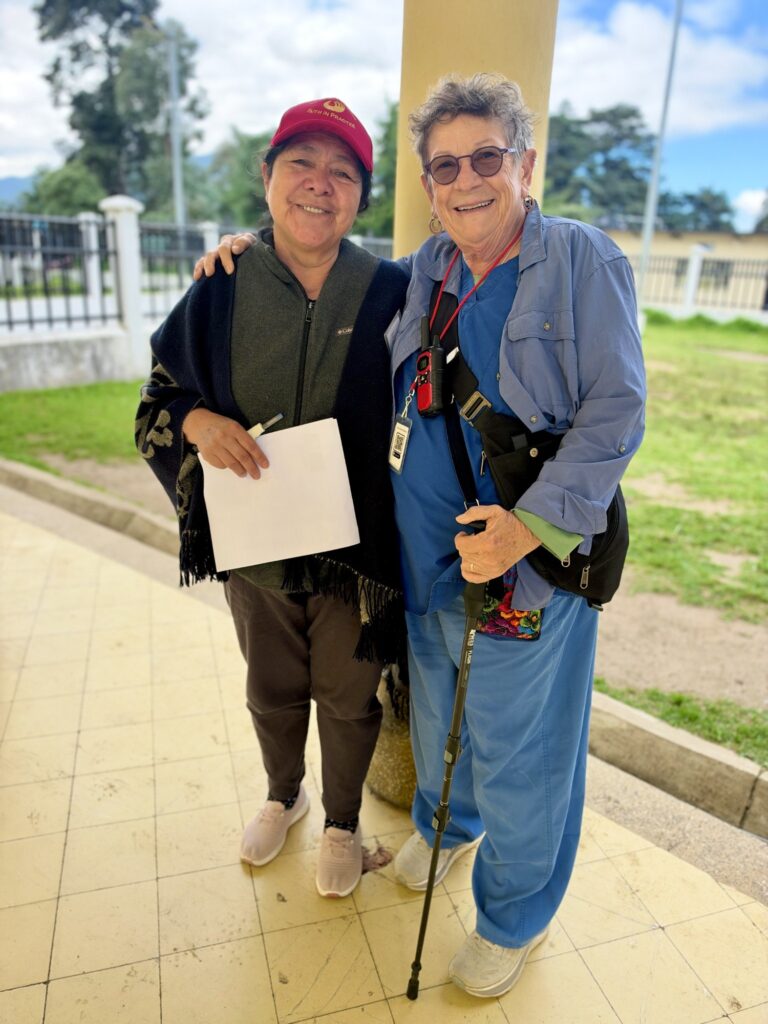
Meet Felicity Thompson and Richard Rosenthal: Leading a Village Team by Never Doing Things Halfway
When I sat down with Felicity Thompson and Richard Rosenthal, I asked them to look back at how the village team has evolved since they first started volunteering. What I got was a story of persistence, problem-solving, and a few hiccups along the way.
“We don’t need a midwife”
Felicity, a midwife by profession, was initially told there was no need for her skills on a volunteer team. That changed in 2003, when she traveled to Guatemala with a Northern California Faith in Practice surgical team and served as a scrub tech. In 2006, Richard also joined her as a volunteer, handling finances, logistics, and typing operation notes for doctors in the OR.
Stepping up to lead
In 2011, the leaders of the team they had served on for several years decided to step down, and Felicity and Richard took over.
A midwife and an electrical contractor walk into a leadership role
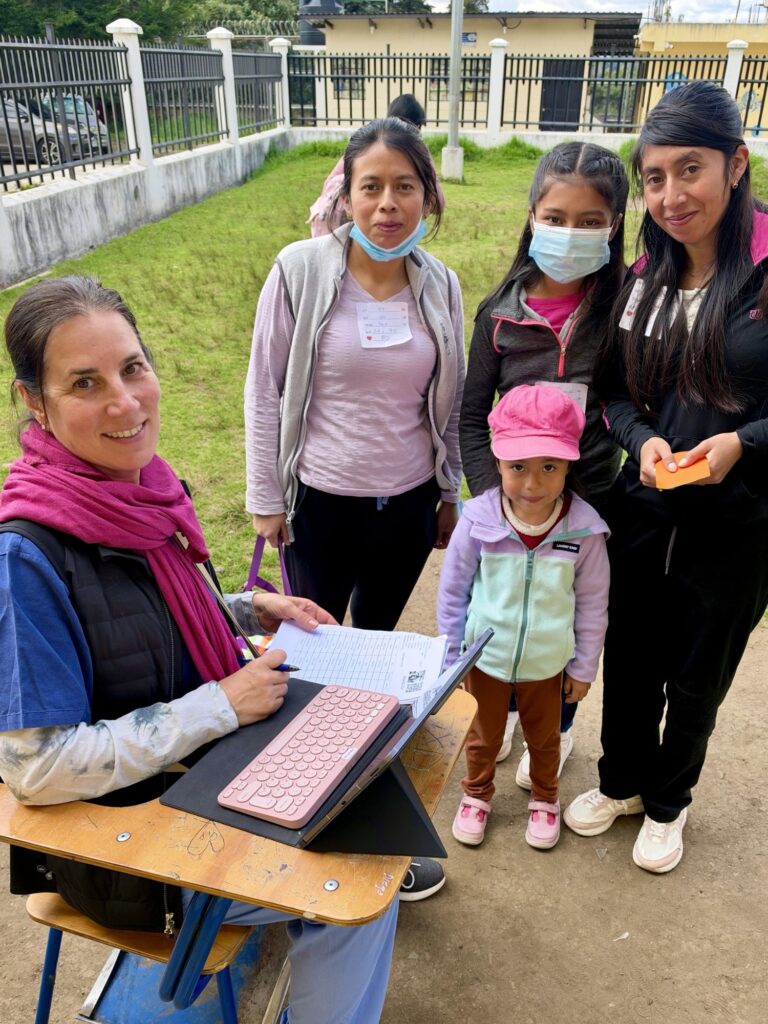
Most teams have at least one physician as a team leader, and the other leader typically has some other medical background. Felicity and Richard are probably the only team led by a midwife and an electrical contractor. “We spend a lot of our spare time talking about how to do this better, how to communicate better with each other,” Felicity said.
They also share a belief that you don’t do something halfway. They know the saying that the good is not the enemy of the best. But they believe there’s always room for improvement. Their goal is for volunteers to serve without feeling they must reinvent the wheel, which they think is one reason people keep coming back. Felicity and Richard handle the unglamorous, time-consuming work. “All our team volunteers need to do is come with an open heart and do their work,” Felicity said.
Behind the scenes: Richard and the logistics
Richard’s role is to make sure the clinics run well so the providers can do their jobs, and he has watched the logistics change dramatically.
In the old days, every team carried all its supplies from the United States to Guatemala and took everything home afterward so the next team could bring its own. Teams would show up at the airport with 20 or 30 trunks, and each volunteer had to claim two as their checked luggage. In Guatemala, the trunks were thrown on top of an old school bus, and team size was capped at 28 because that’s how many seats the bus had. One thing you could count on, he said: at least one flat tire per trip.
Today the village team doesn’t have to bring supplies at all. The organization has a warehouse, staff, more funding, and better buses.
The patient story that stays with Felicity
I asked Felicity whether one patient experience stood out from her years of service.
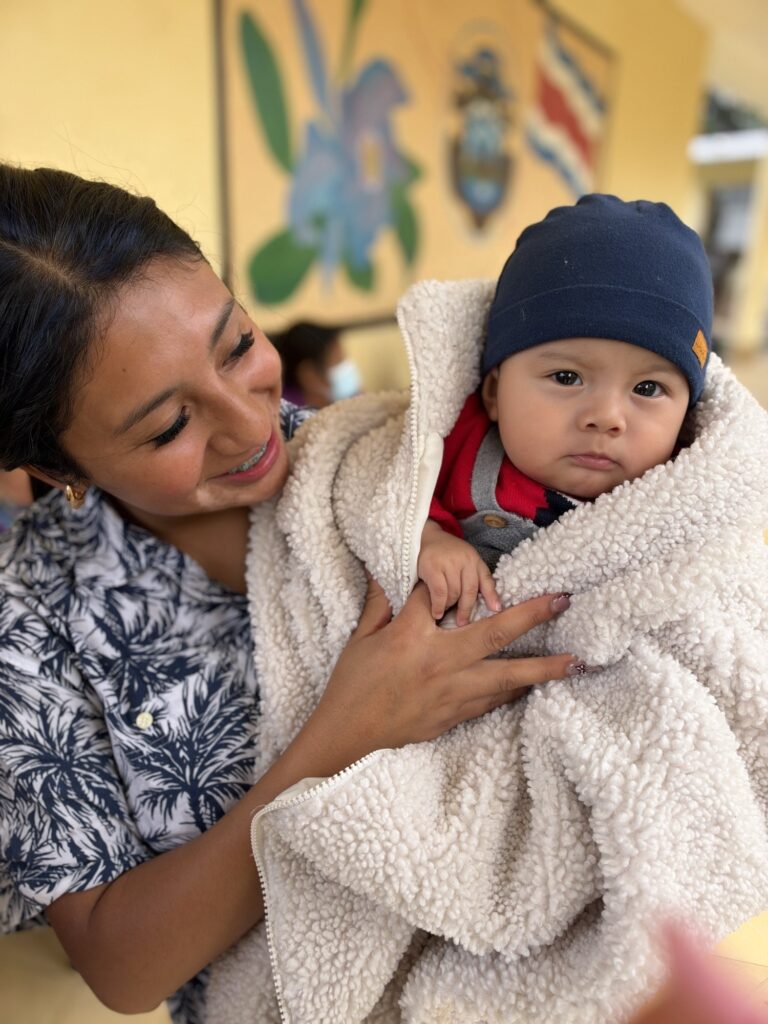
In 2021 in El Progreso, longtime volunteer Dr. Sarah Beekley brought Felicity a young mother with a dehydrated, badly undernourished newborn. The mother was 16, a single parent whose family had kicked her out, and she had received poor advice at the hospital about nursing. Felicity, who is passionate about breastfeeding, sat down with her for about an hour of counseling. She gave her water, snacks, and money to come back the next day. The young mother returned every day that week, and by the end of it the baby had gained about a pound, was no longer dehydrated, and was nursing successfully.
“Yes, the big things matter, like a hip replacement,” Felicity said, “but counseling this young woman on how to properly breastfeed her baby changed her life and saved that baby’s life.”
The takeaway
Led by a midwife and an electrical contractor, this team’s story is one of constant, small refinements. As Richard put it, there is room for improvement in virtually every process, not just in patient care but in the organization as a whole.