Berkman 914 Obras Day 1 – Sunday
Walking to Change Lives
Our chaplain opened devotional with an acorn, how something so small holds an entire oak tree inside it, if it’s planted in the right place and given time to grow. She tied it to Isaiah 55: rain and snow don’t return to the sky without first watering the earth, and God’s word works the same way, going out to accomplish its purpose and never coming back empty. That was the promise our team carried into Guatemala this week, that whatever we planted here, even in the smallest, most unnoticed moments, wouldn’t return empty either.
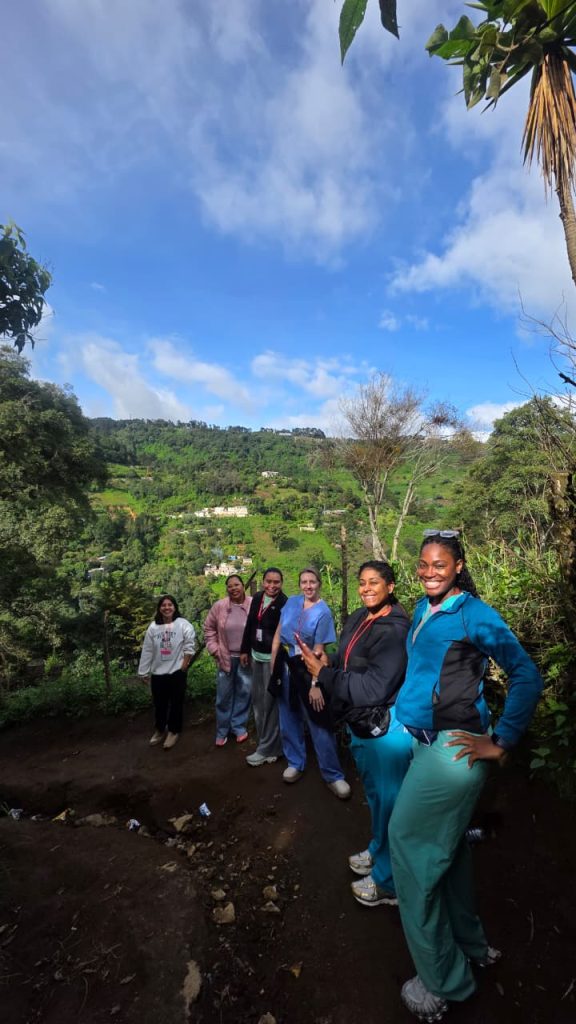
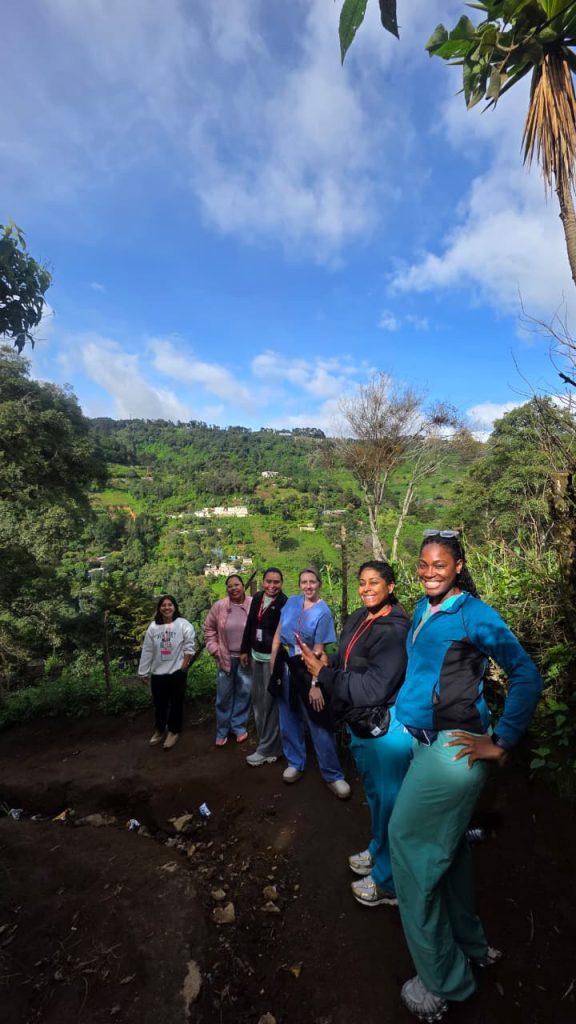
We came from all over the country, flying in from West Virginia to Wisconsin, Texas to Colorado to Nebraska, carrying wildly different amounts of experience with us. Some of us have made this trip ten times or more. Some of us had never done it before this week. A grandmother came with her granddaughter. An aunt and uncle came with their nephew and his wife. A mother came with her daughter. Whatever brought each of us here, we arrived together and ready to serve, and on Sunday morning we walked to Obras Hospital as one team.
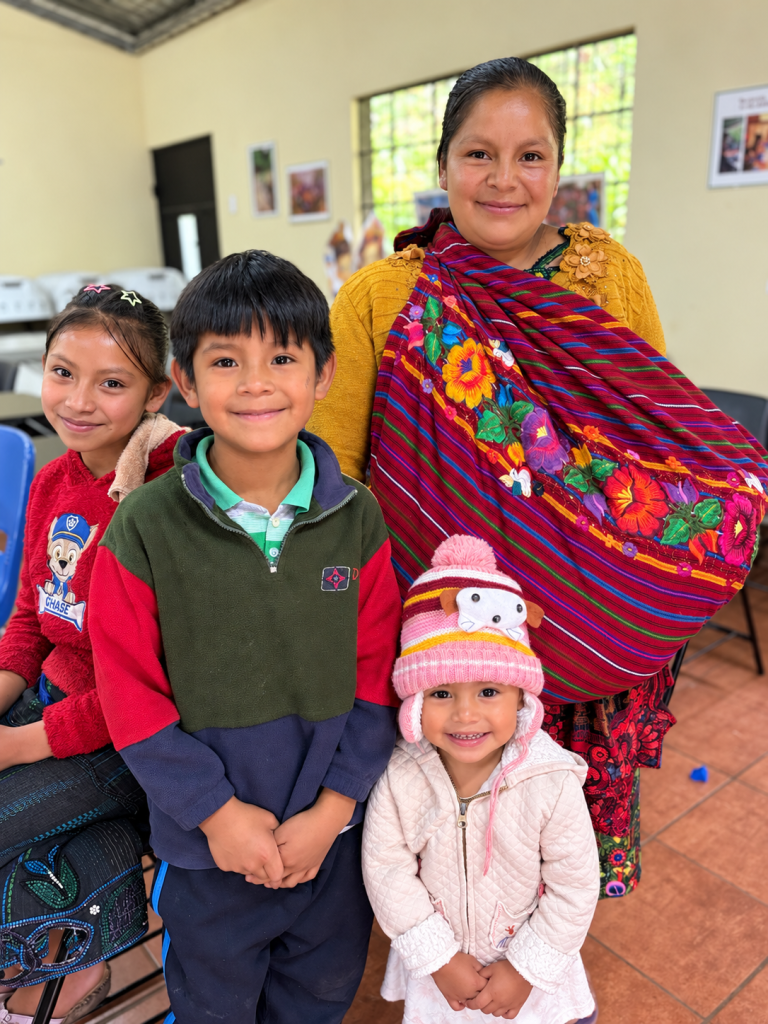
A line was already waiting for us by the time we got there, some people who’d been standing in it since the day before, having traveled more than ten hours just to reach us. They stood in that line the way people wait for something they’ve been praying for a long time, not yet knowing whether today would be the day it finally got answered.
In the mobility clinic, Dr. Michelle Henderson led the day, her granddaughter Maddie working alongside, premed, taking in everything she could. Miguel translated for them both. He’s only seventeen, and he’s already been doing this a year, still practicing his English, already fluent in French and Spanish. It was his mother who first found Faith in Practice on Facebook and set all of this in motion for him. He has dreams of working in neuroscience someday.
Jesús came through their clinic today. He broke his hip four months ago, but he never went to the hospital. He was afraid of what an operation might mean, so instead he stayed in bed for two months, hoping it would heal on its own. It didn’t. His family carried him in this morning, and the X-rays confirmed what he may have already suspected: he needs a total hip replacement, and he’s now been referred for a surgical consult.
Juan came through too, his son beside him the entire time. A small piece of wood, a wound that wouldn’t clear, an infection that spread until his leg had to be taken above the knee. Today the team fitted him for a walker, a bridge to get him through until he can be fitted for a prosthetic.
In the clinic, Dr. Robert Fullick and Dr. Joe Hsin worked with Doris. She’d already been through five surgeries in the years before this one, on her spine, her knee, and both ankles. What brought her in today was her shoulder, which had been bothering her for over a year. The fix was smaller than the ones that came before it, a cortisone shot to bring the swelling down, and she left the clinic already able to move it more than she had in months.
By the end of the day, Dr. Hsin had to turn away seventeen people who’d come hoping to be seen, simply because there weren’t enough hours or hands to reach them all. It’s the plainest reminder of why teams like this one matter – for every patient who makes it through the door, there’s someone still waiting on the other side of it.
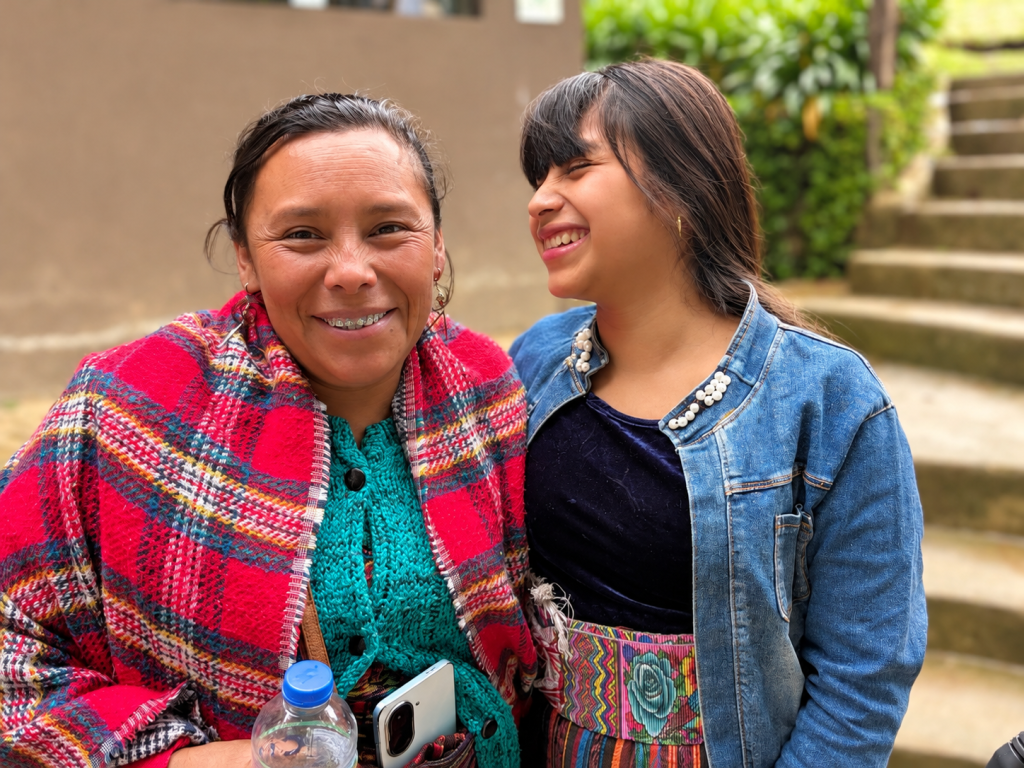
Dr. Dan Ocel, along with his interpreter Victoria, spent the day treating patients with the same humor Dan’s known for, and one of the patients who came through was Lesly. For eighteen years, Lesly has been the one showing up to serve on these trips as a volunteer, not the one being treated. This time, she came through the clinic herself, with a plantar fibroma that needed care, and Linda McCarty, Faith in Practice’s former CEO of fifteen years and this week’s chaplin, sat alongside her the whole time she was seen. Dr. Ocel gave her an injection along with a physical therapy referral to help loosen the tissue. “Don’t worry,” he told her, only half serious, “it’s not going to hurt me at all.” She laughed, and when he noticed her Vans sneakers, he asked, straight-faced, if she was secretly a skateboarder. The relief, when it came, was immediate, and so was the laughter.
Linda and Lesly have known each other eighteen years now, since they met at a leadership conference, and their friendship has held through everything since, including the season when Lesly’s own father was going through cancer treatment. She and her sister both kept showing up and volunteering anyway, because being here and doing this work was the best way they knew how to honor him. On Sunday, it was finally Lesly’s turn to be cared for, by the same kind of hands she’s given to hundreds of others over the years.
None of this starts on the day we arrive. Long before the clinic opens, there are people already doing this work year-round, living here, the ones Linda calls the “hidden heroes.” Dinora, Haidee, and Francisco were part of our group this week, and what they do is find people who are hiding in the shadows, people who don’t yet know that anyone is looking for them or that help like this even exists. Linda told us about a day Dinora was riding the bus and spotted a man begging on the side of the road. She had the bus turned around. He needed a wheelchair, and she made sure he got one.
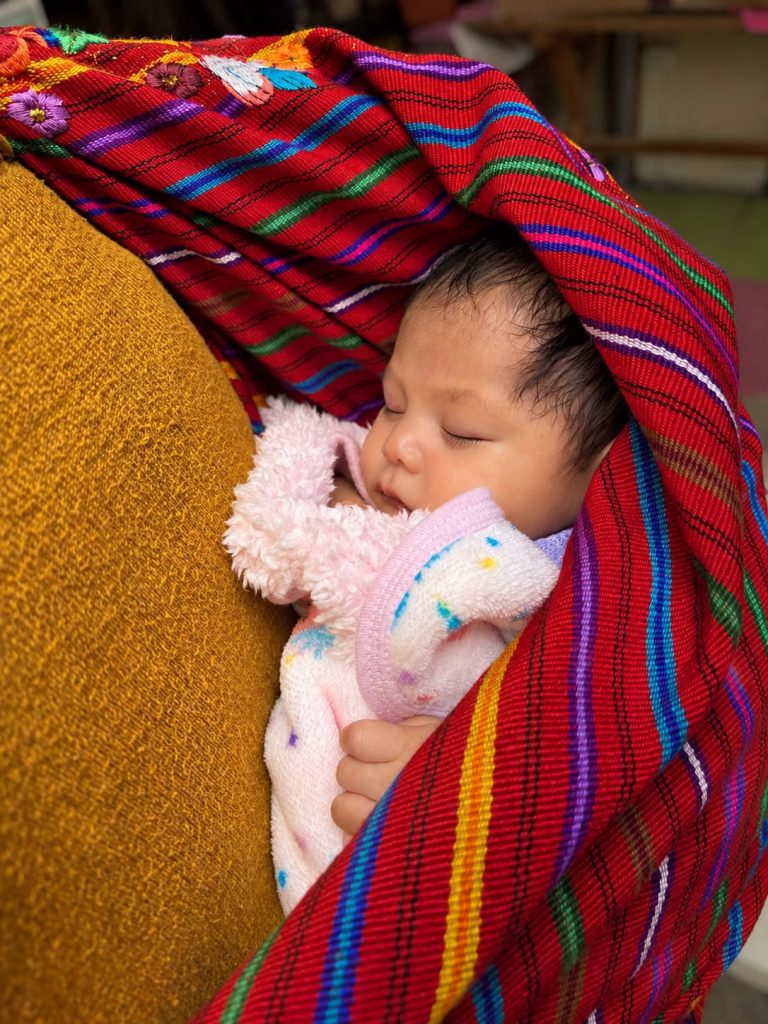
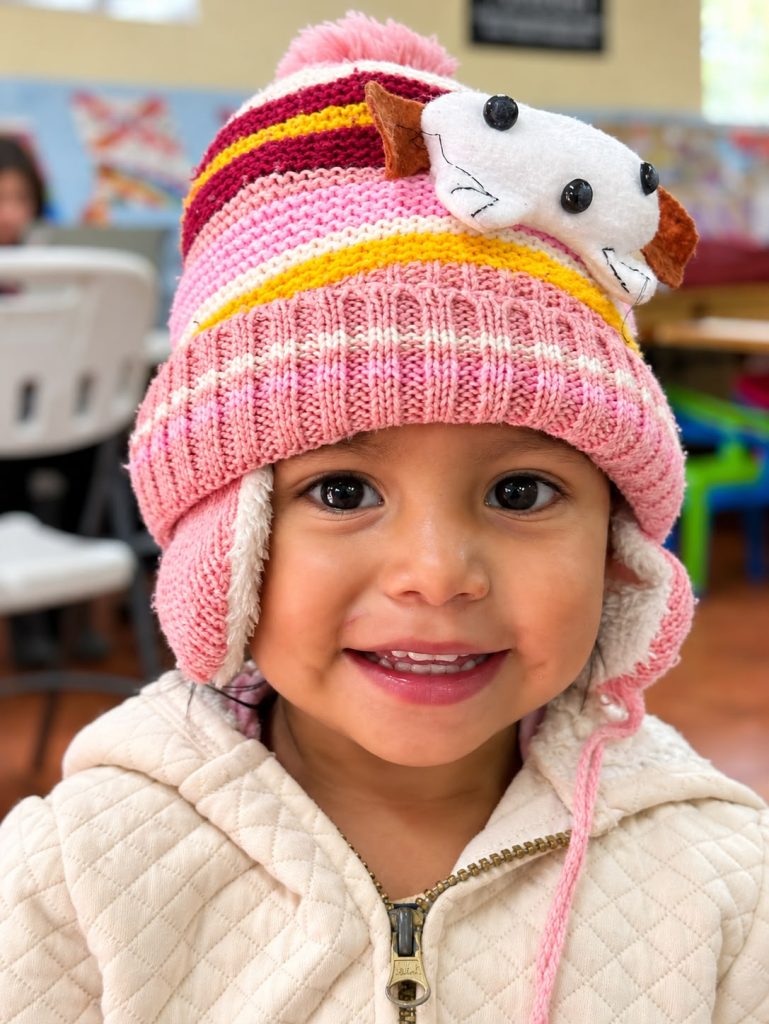
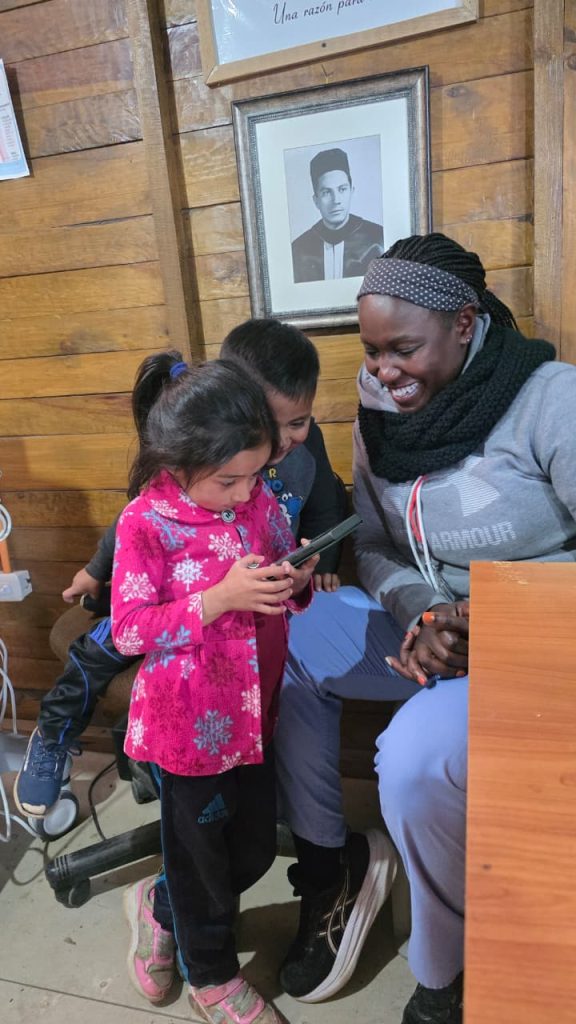
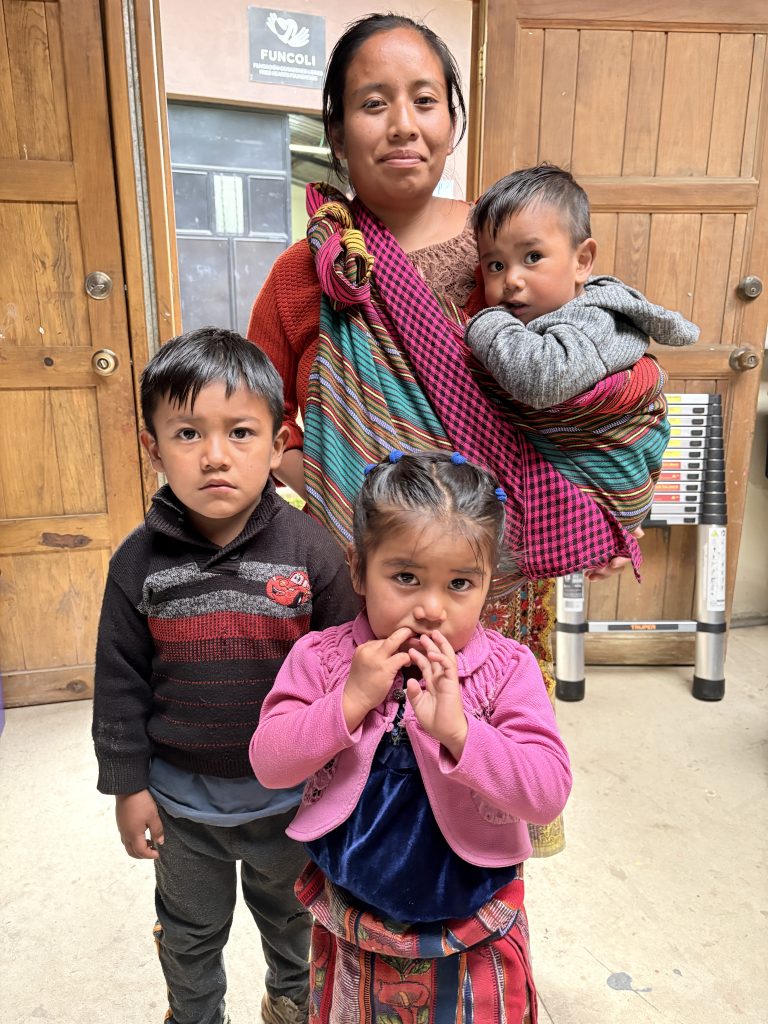
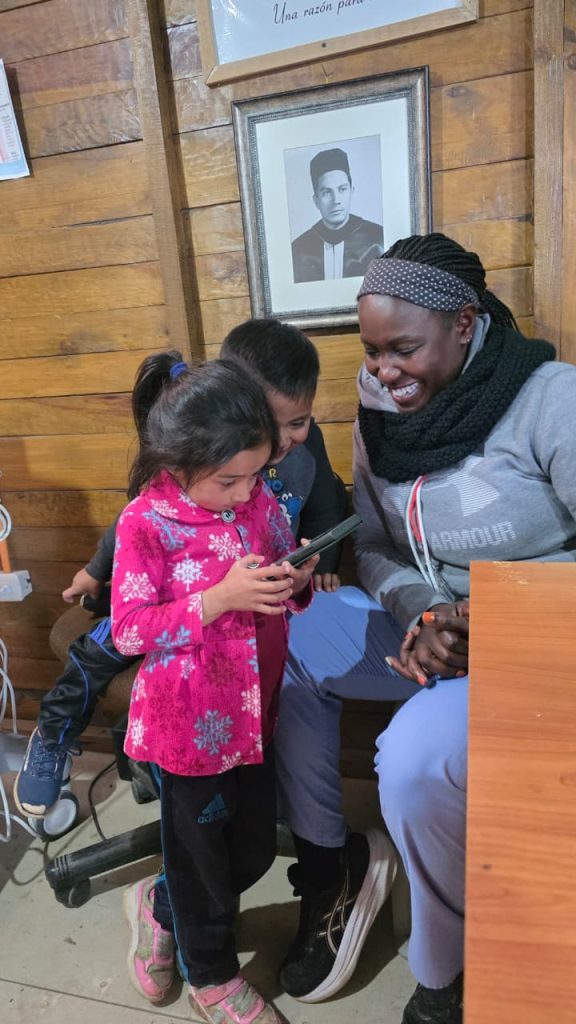
By afternoon, the youngest patients started coming through. Diego is four, with a club foot. Another patient, Anderson, is six years old, and he showed up already wearing his Christmas pajamas, in July. Both boys are scheduled for surgery on Wednesday, and until then, the team’s strategy for keeping brave faces on tiny patients is a simple one: gummy worms, of course.
Leonel came through with arthritis that had fused a joint in his foot, the result of a motorcycle accident years ago. A shot today should bring him some relief. While he waited, Jake Verduzco, the trip’s clinical pharmacist, came over to meet him. Jake has arthritis of his own. It wasn’t a long conversation, but it didn’t need to be, just two men who understood something about each other’s pain, standing in the same clinic, for once on the same side of it.
By the end of the clinic, some patients left with a surgery date now ahead of them, and others left already walking easier than they had walked in. A few of us stopped by Casa de Fe before the day was over. Patients don’t come and go from there the way we do; they stay the full week, through surgery and recovery, together, under one roof. Tonight, Casa de Fe is full of people who arrived carrying almost nothing, just their labs, just their clothes. Something planted today, waiting to grow.