


Day One: Hope Starts Here
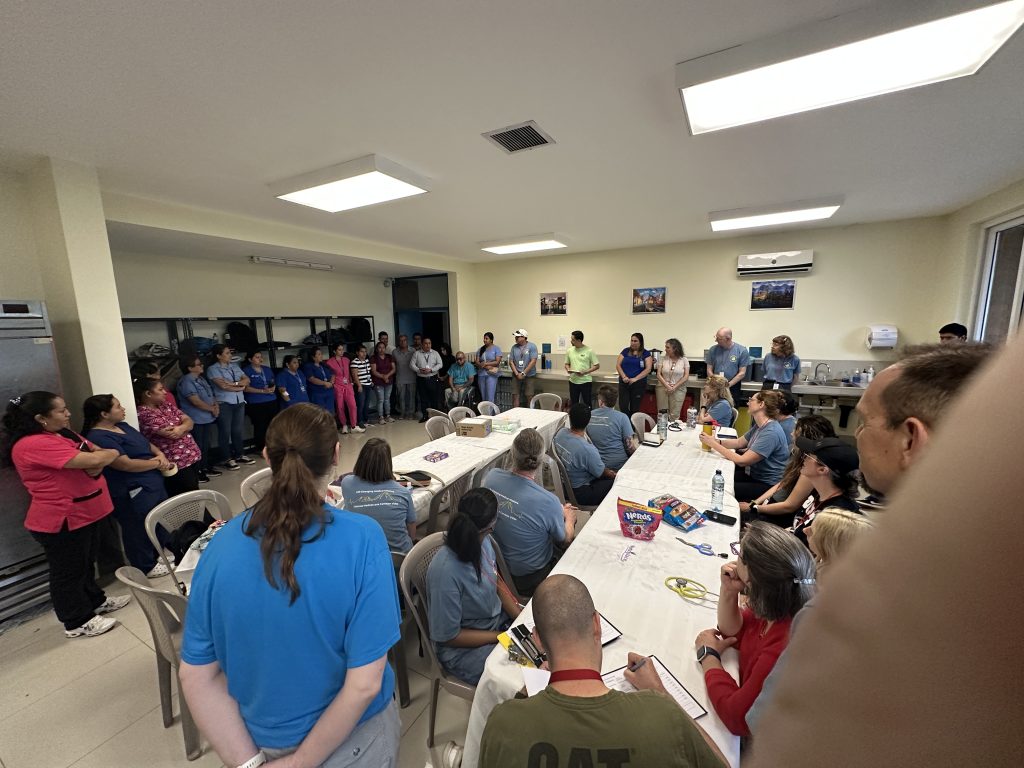
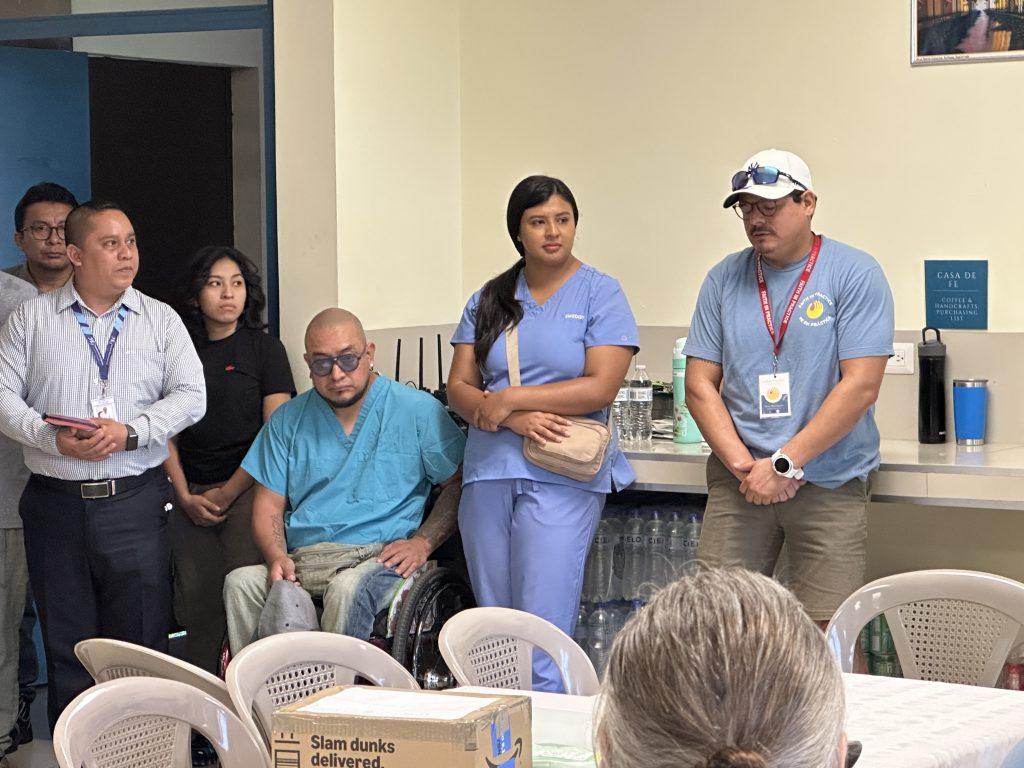
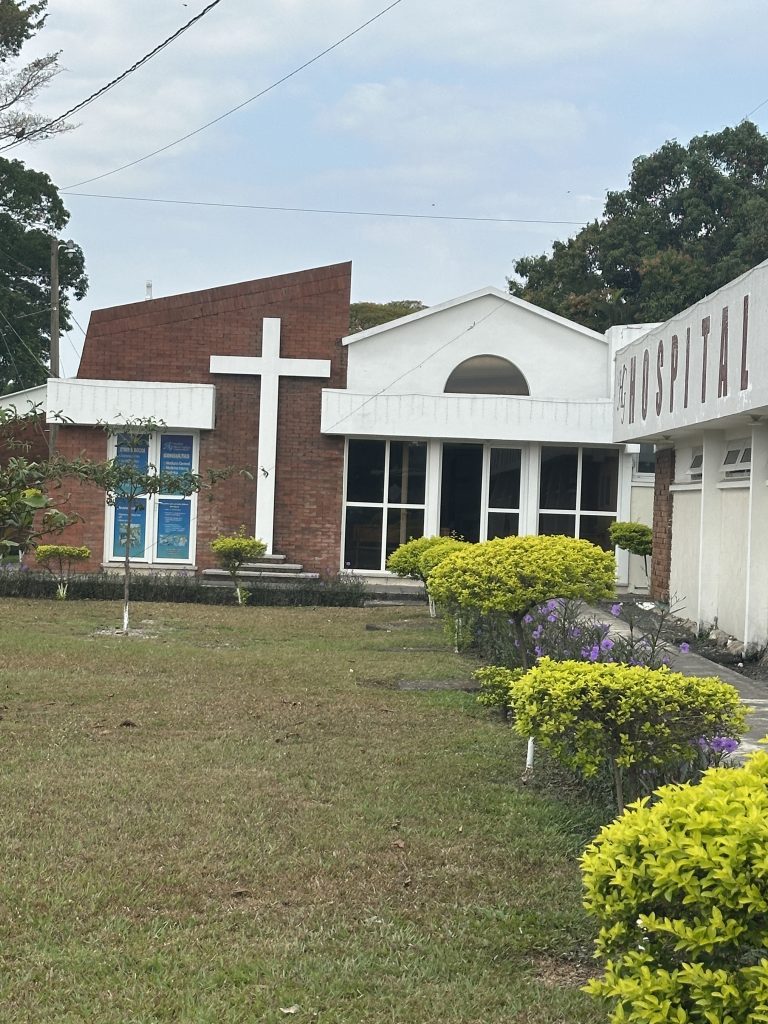
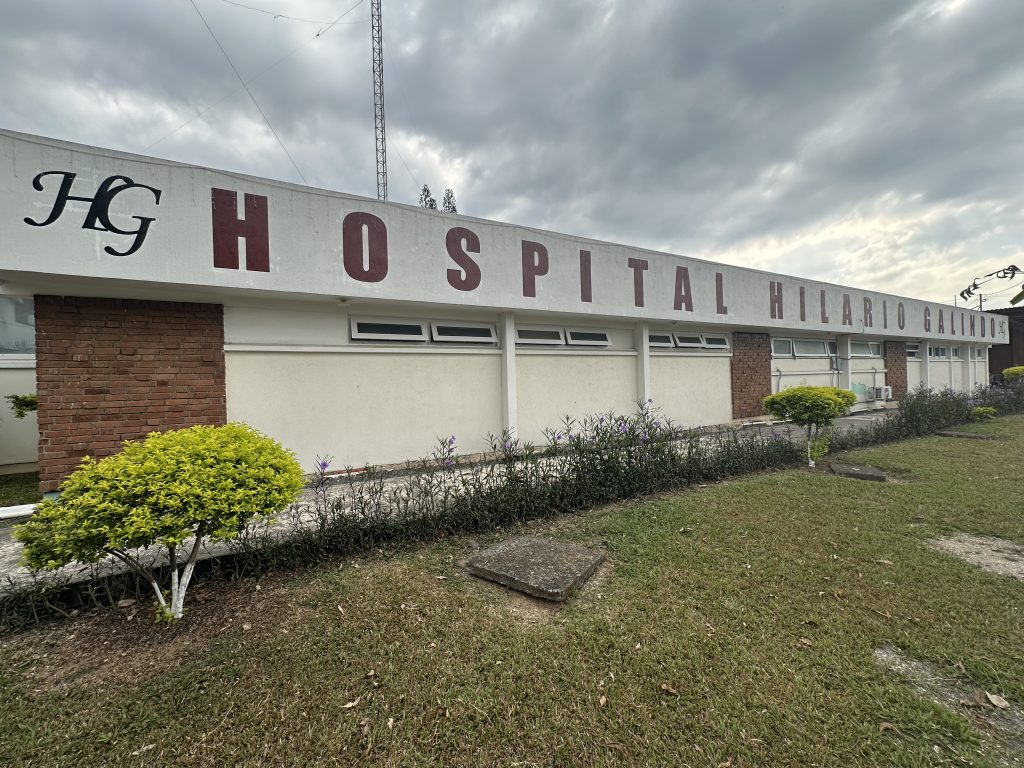
The first full clinic day for the 895 Balduf/Knapp team at Hospital Hilario Galingo in Retalhuleu begins with patients already waiting outside the doors. Some have traveled for hours. Many have waited years for care. Today, volunteers begin the work of restoring mobility, relieving pain, and offering something just as important—hope.
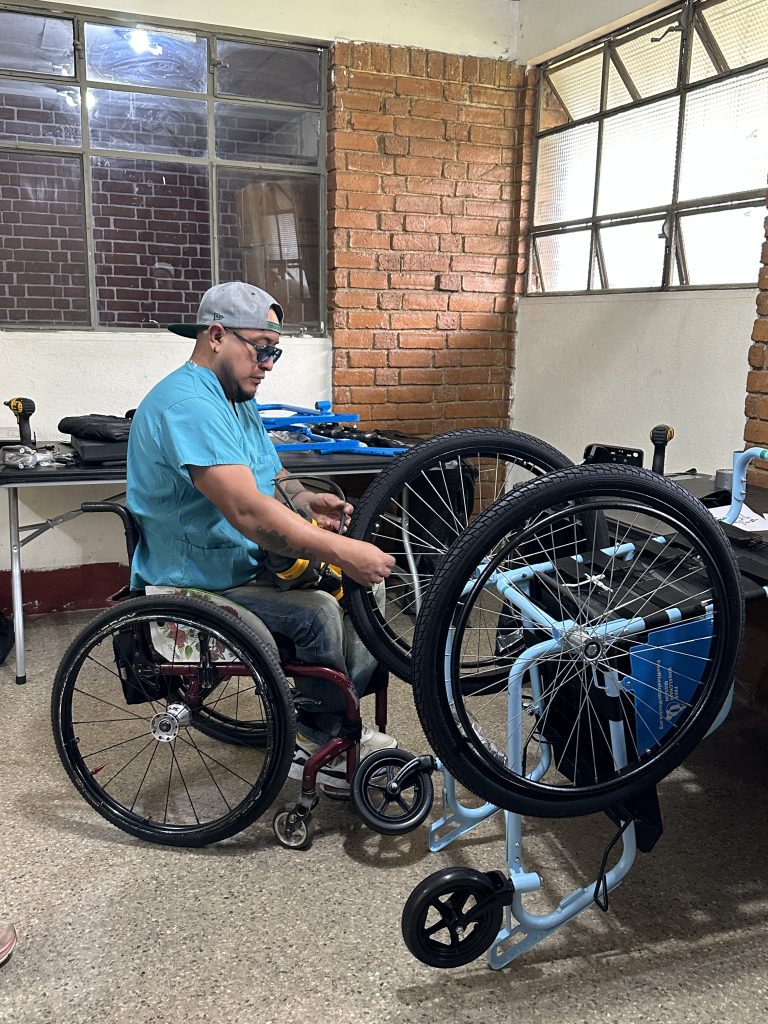
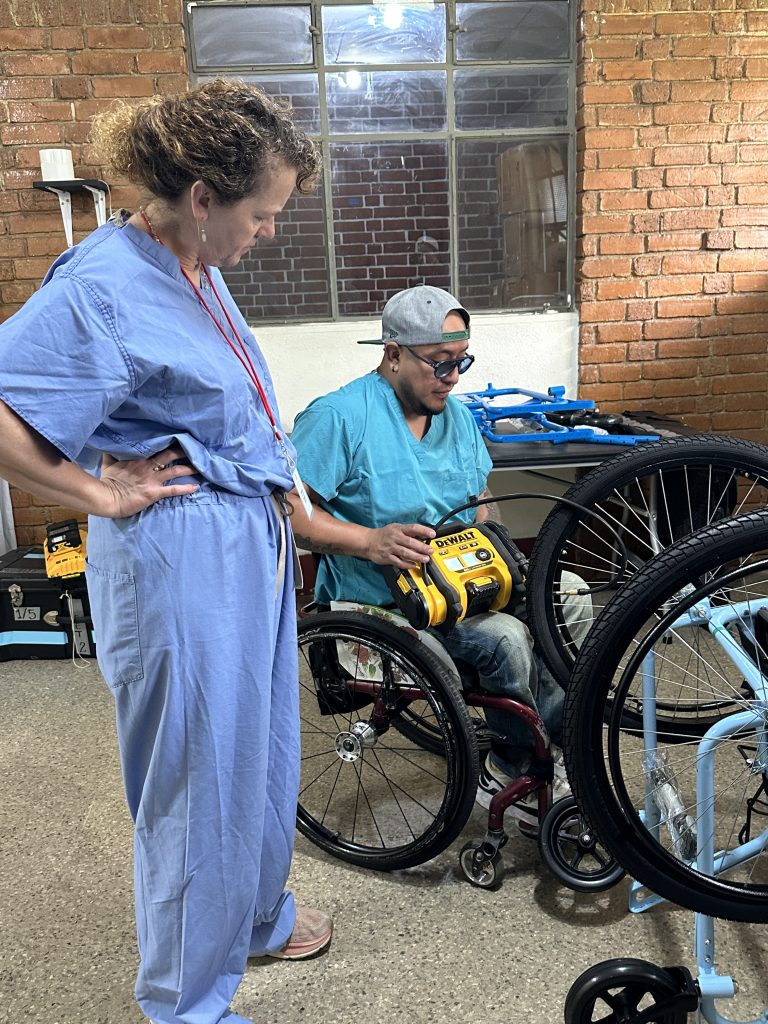
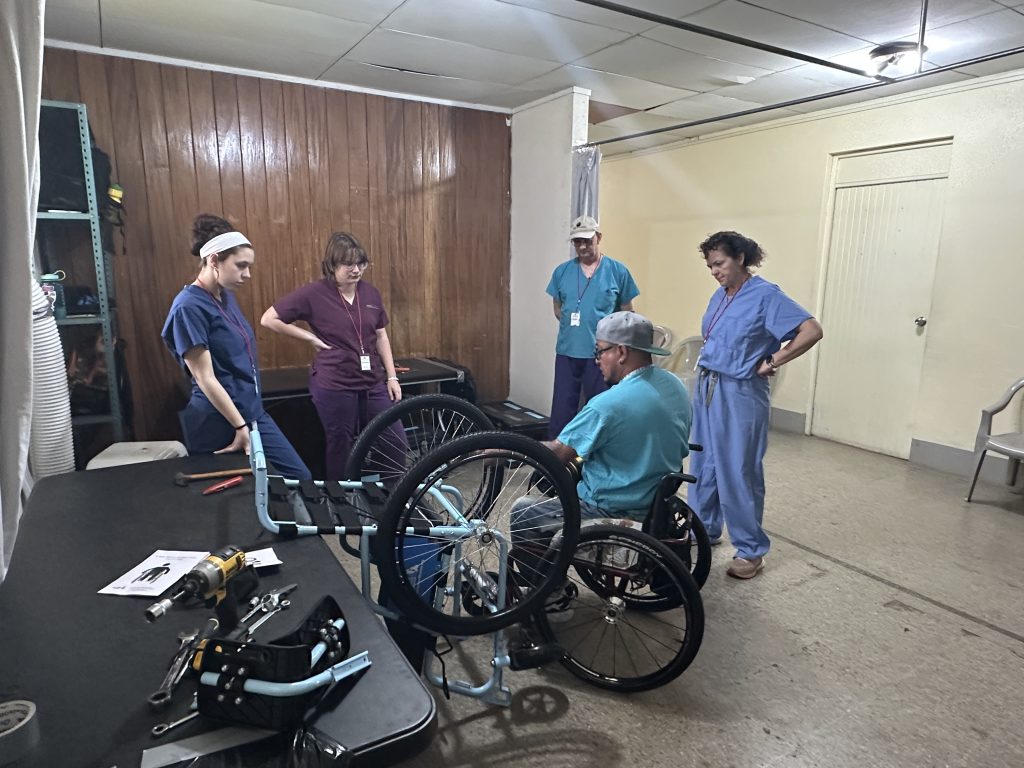
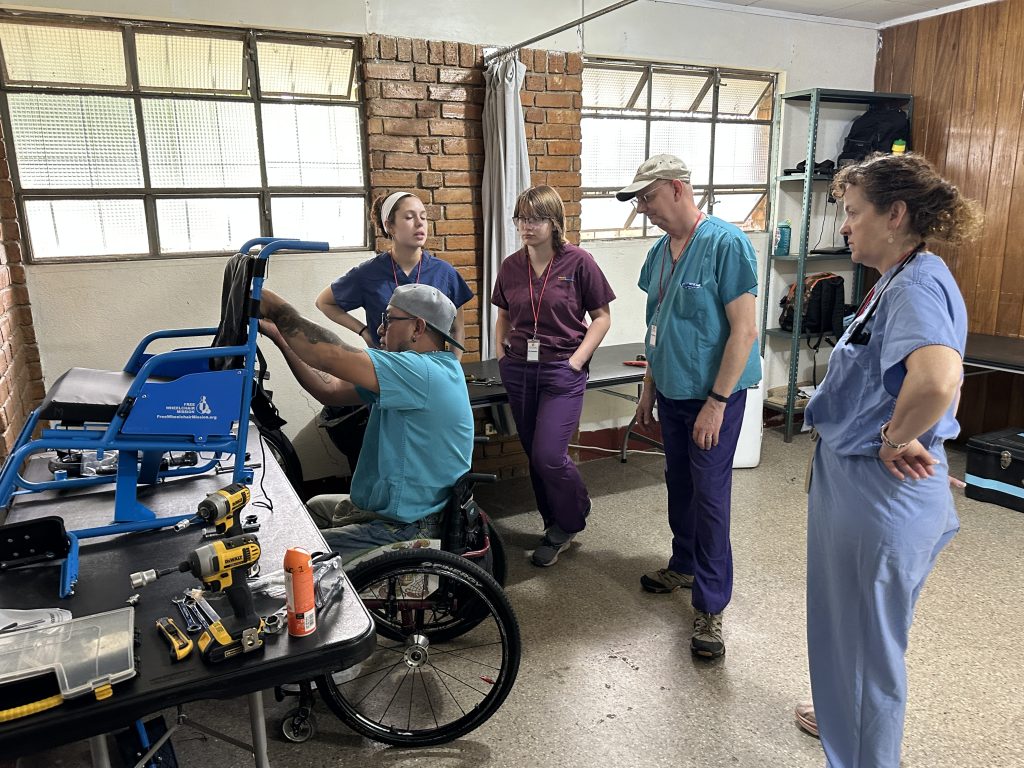
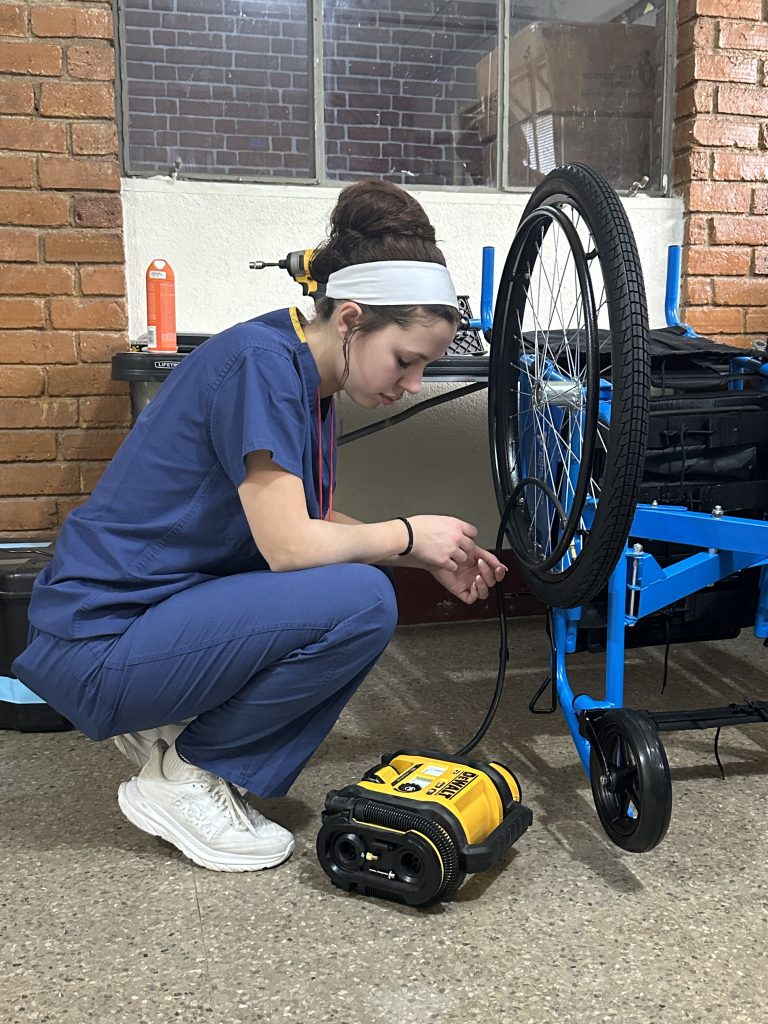
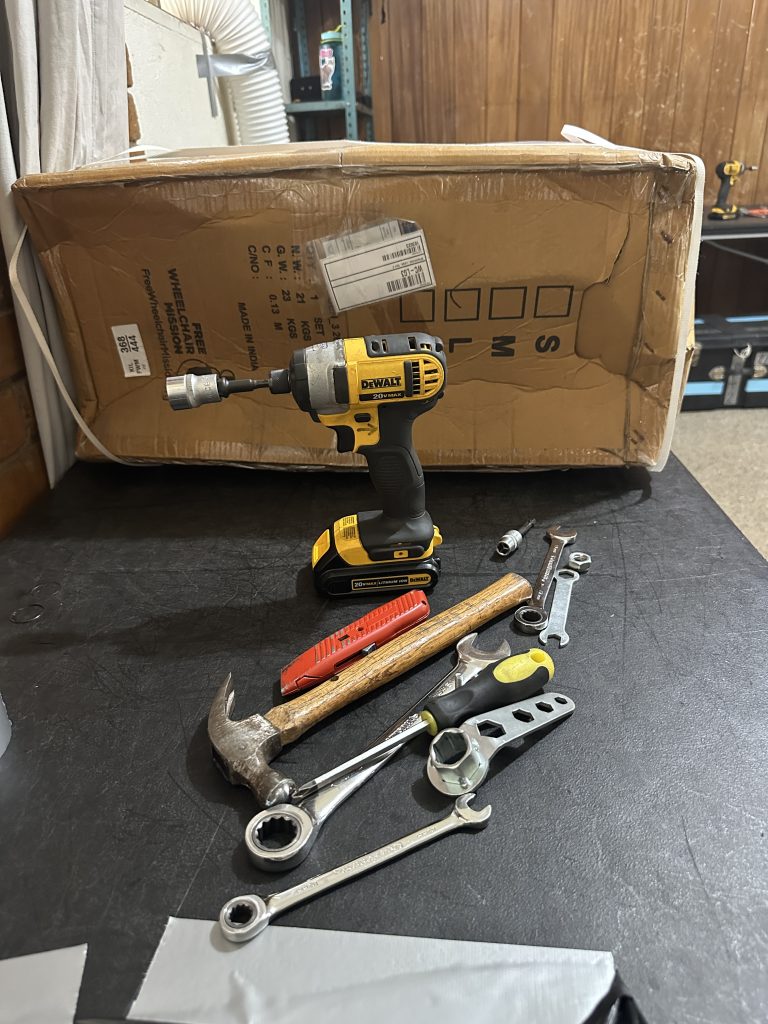
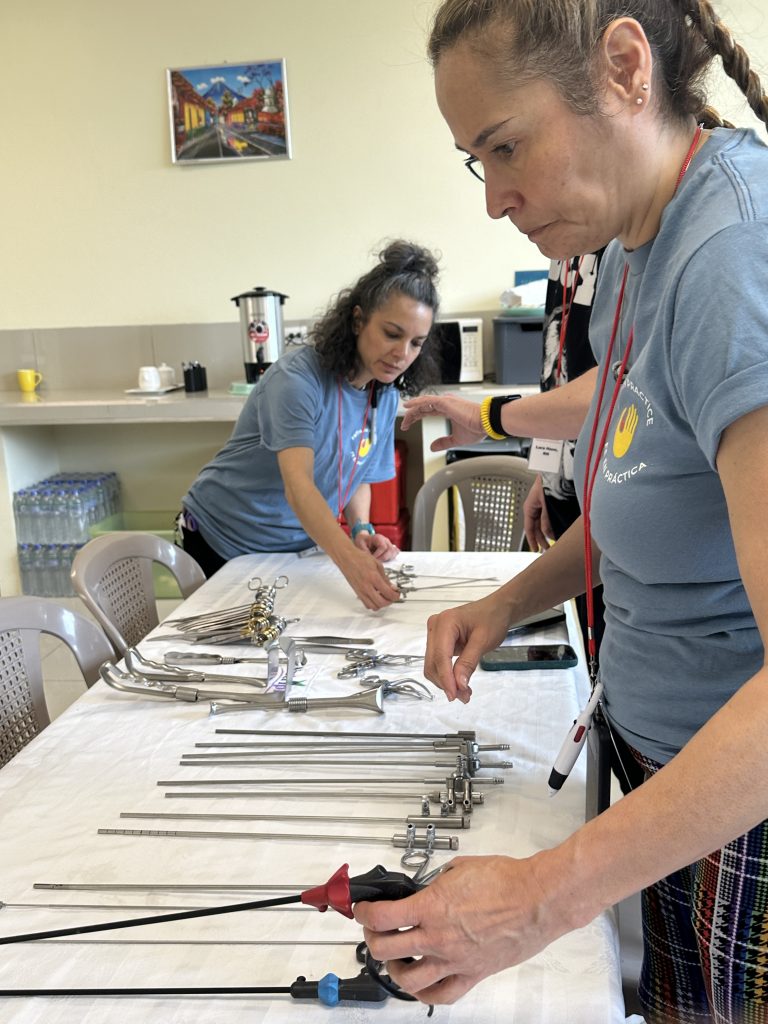
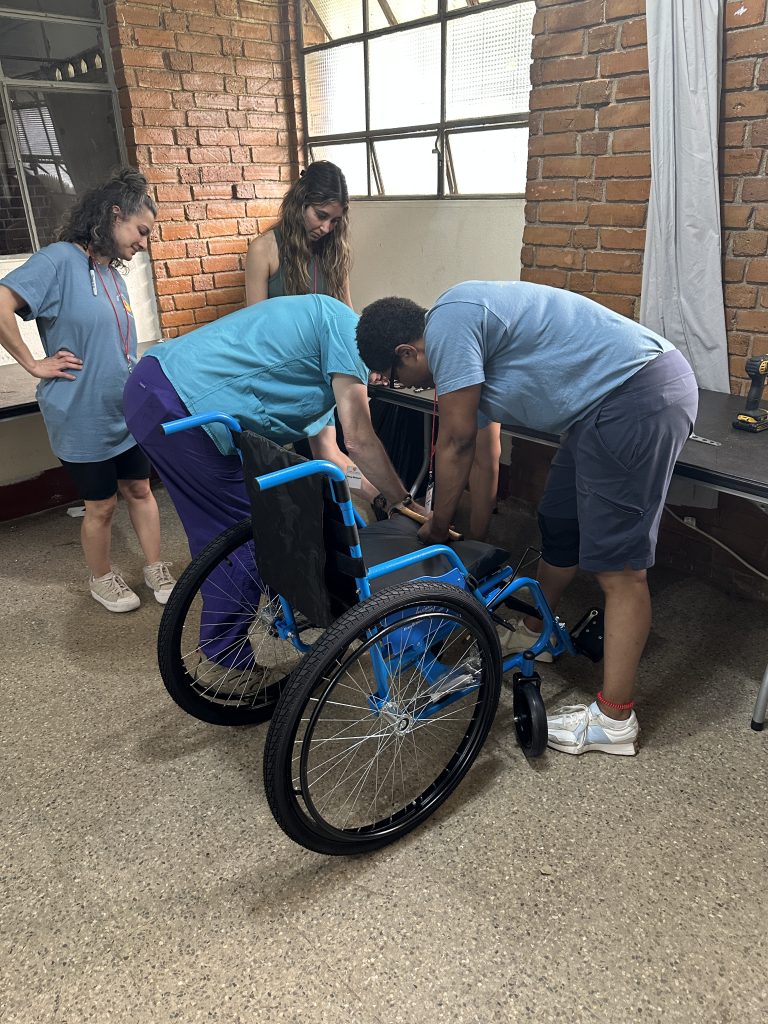
The mobility clinic gets to work immediately, preparing to see about 25 patients. Inside, the morning begins with the clatter of tools as long-time volunteer Byron teaches Doug, Zia, and Norah how to assemble wheelchairs. By week’s end, the team will build as many as 130 wheelchairs for patients who often haven’t been able to leave their homes for years.
Doug is on his fourth Faith in Practice mission. Why does he keep coming back?
“It recharges me,” he says. “I love the feeling when I get home and know I’ve done something worthwhile.”
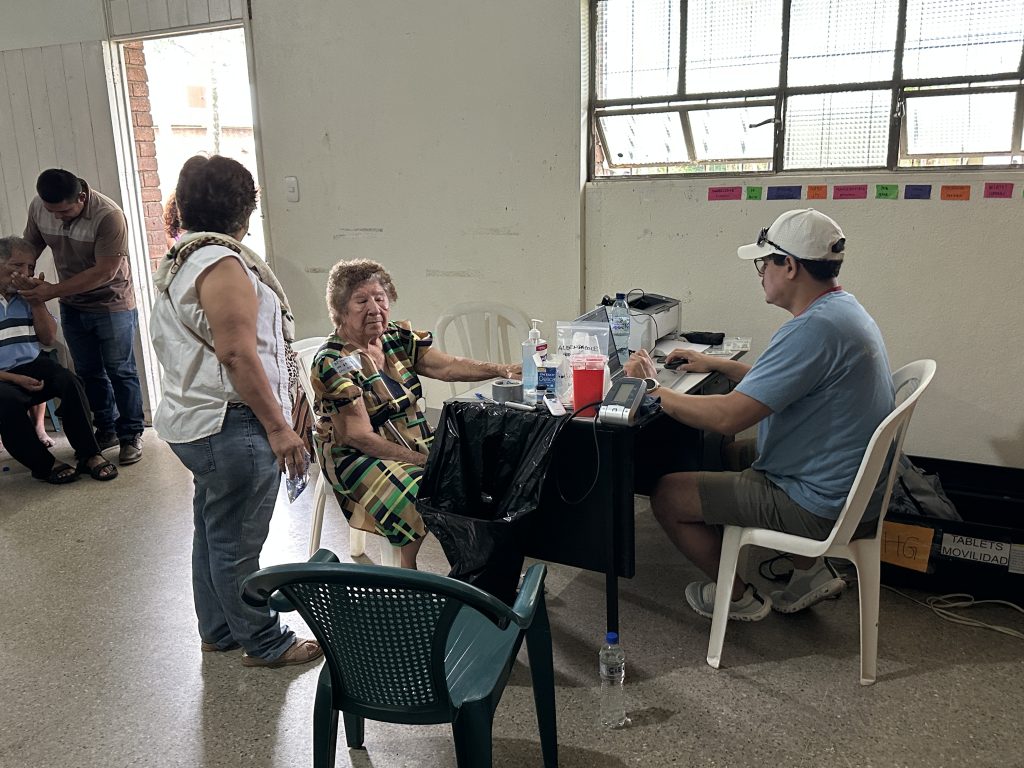
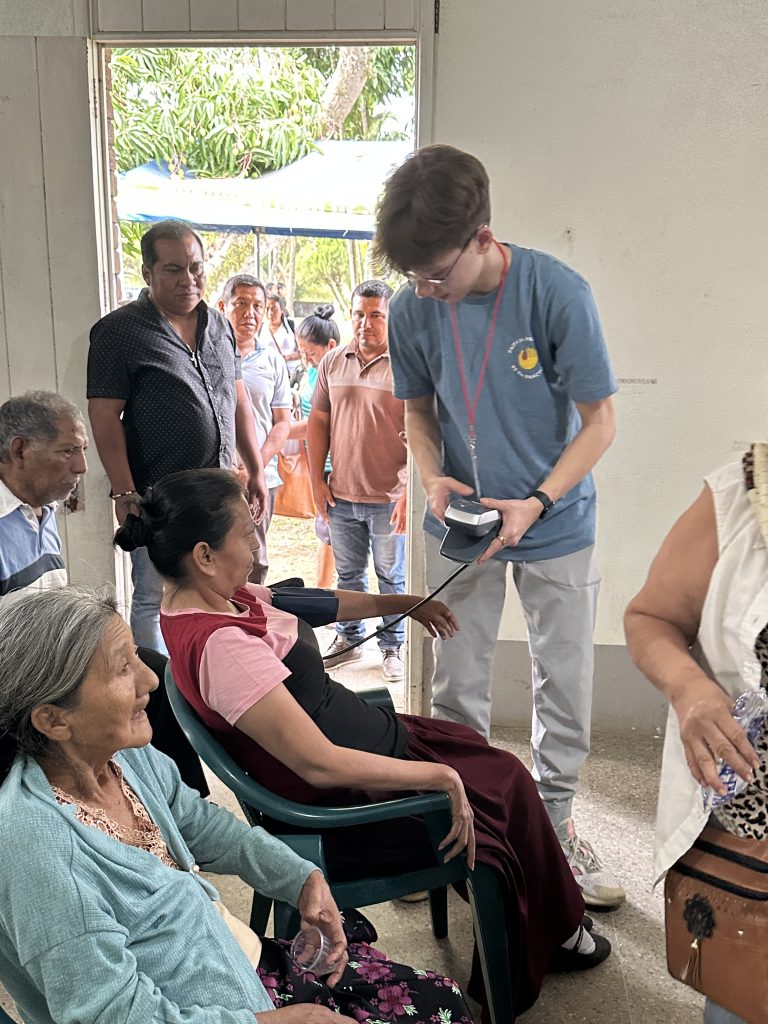
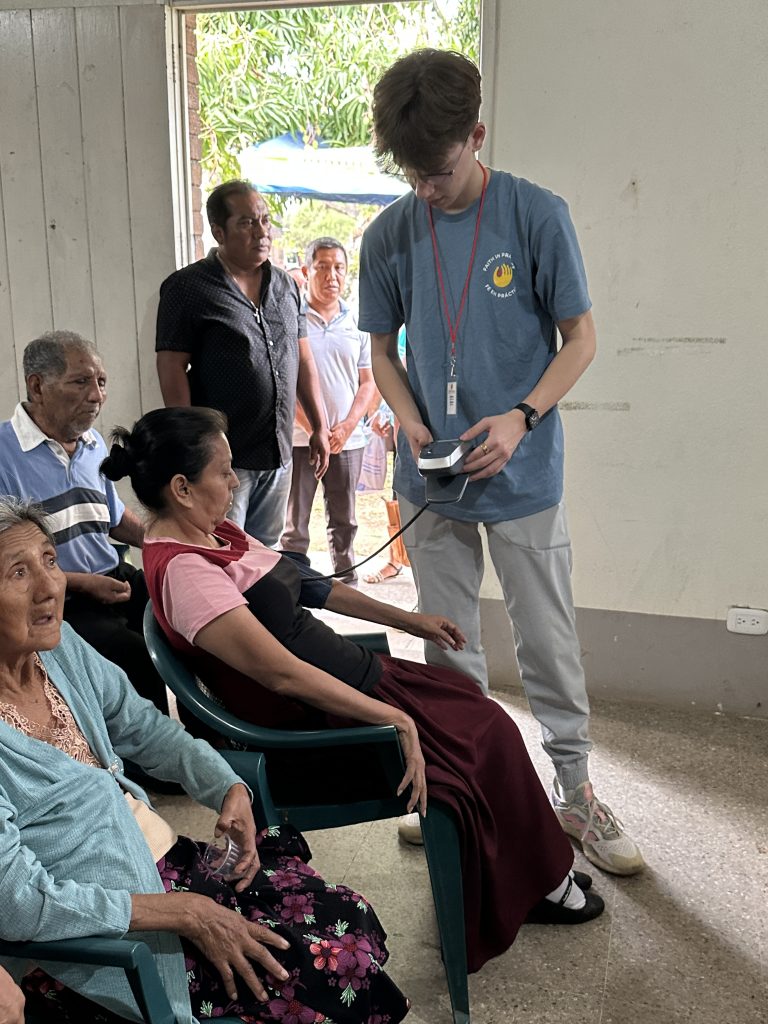
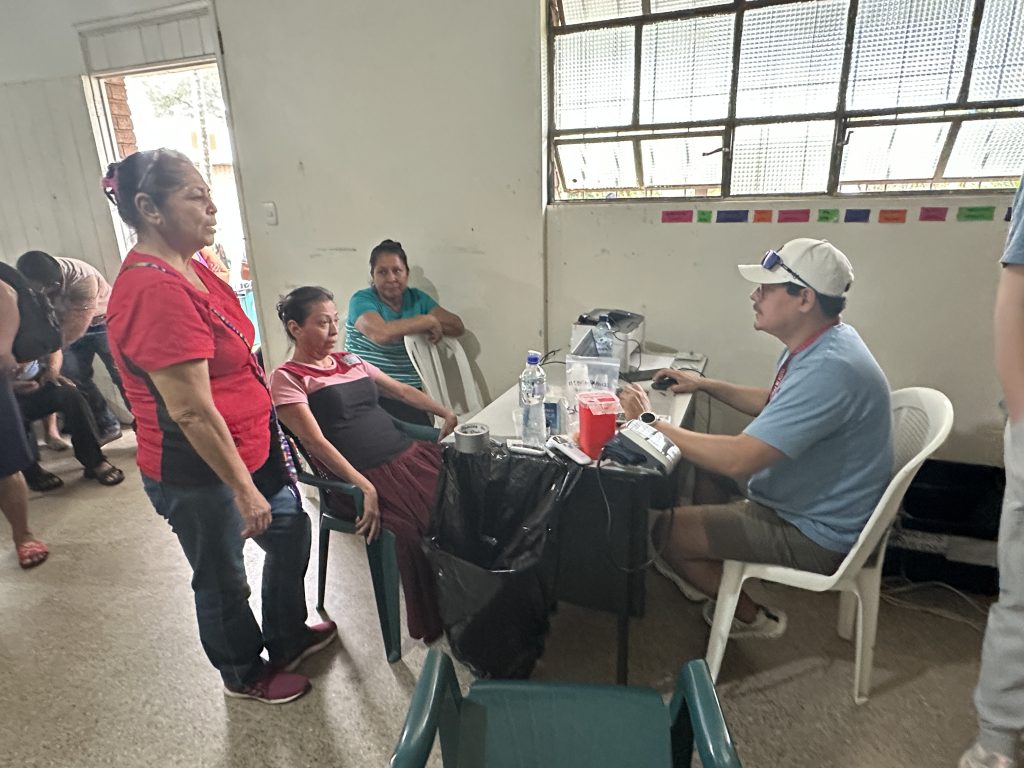
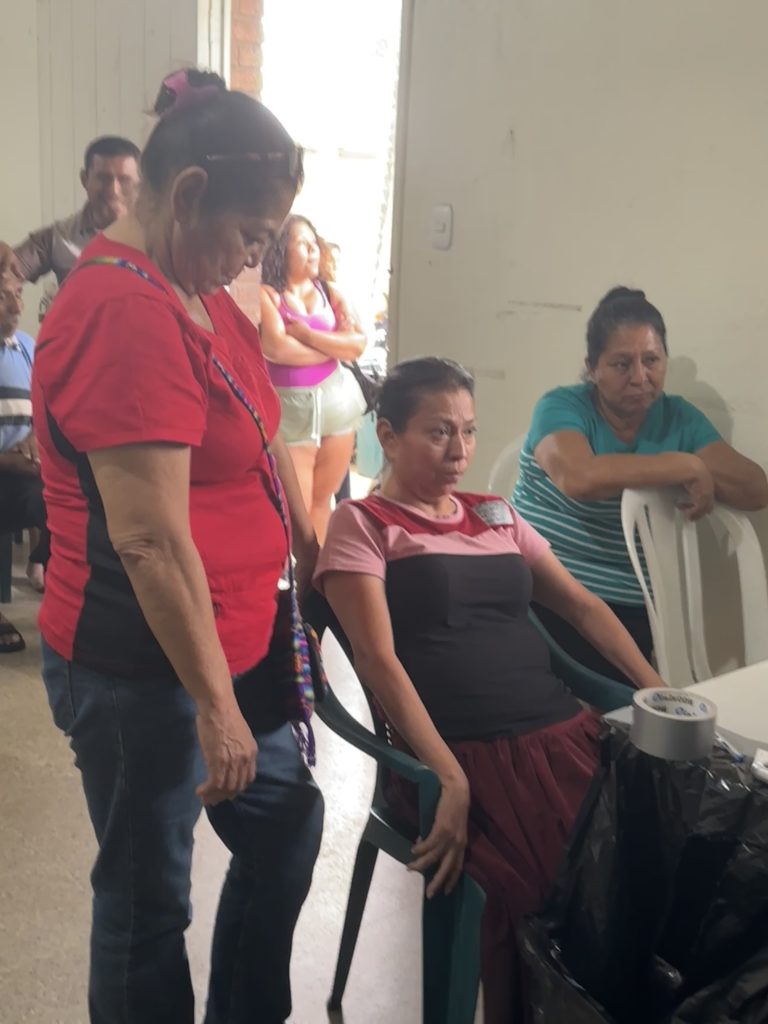
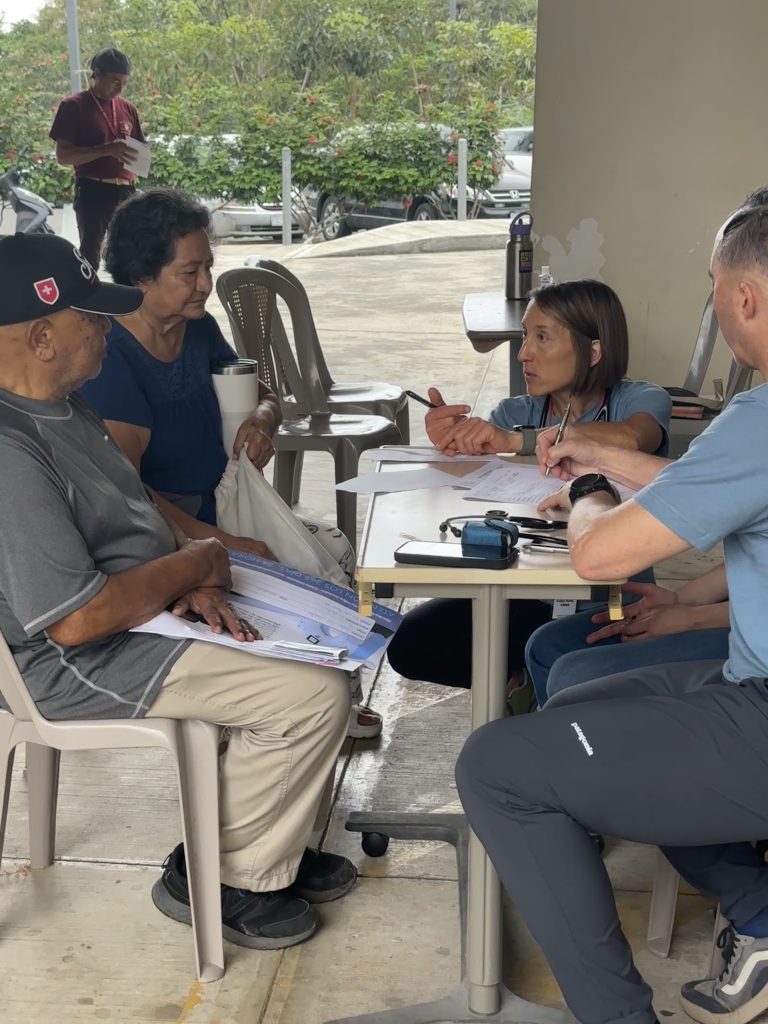
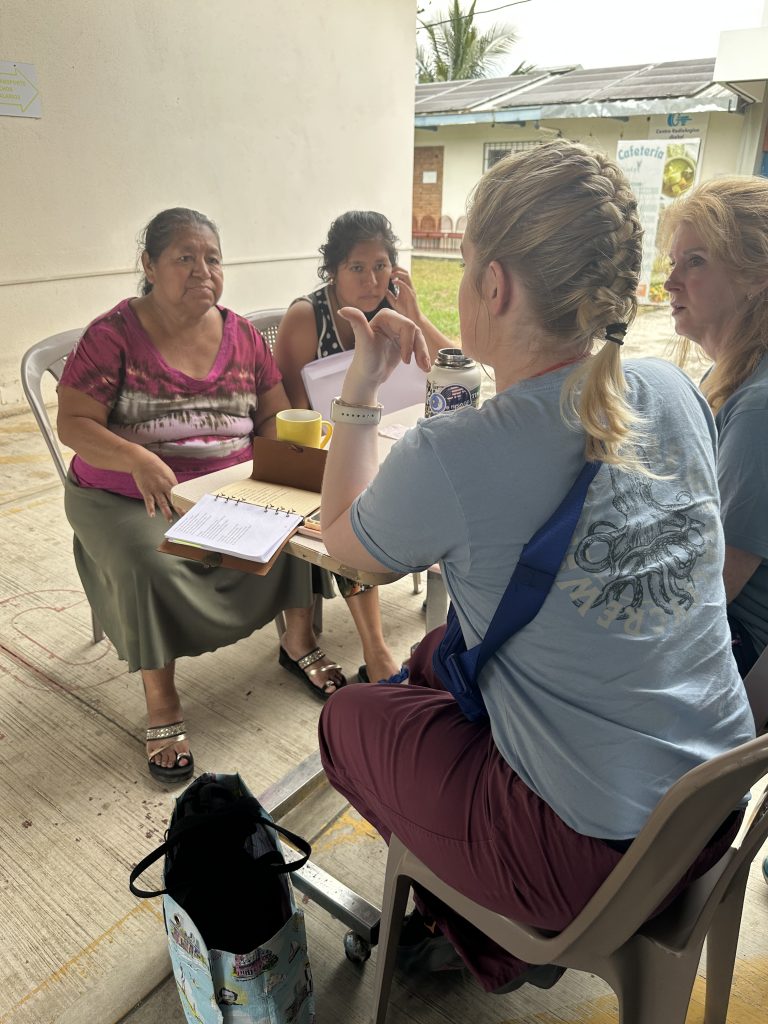
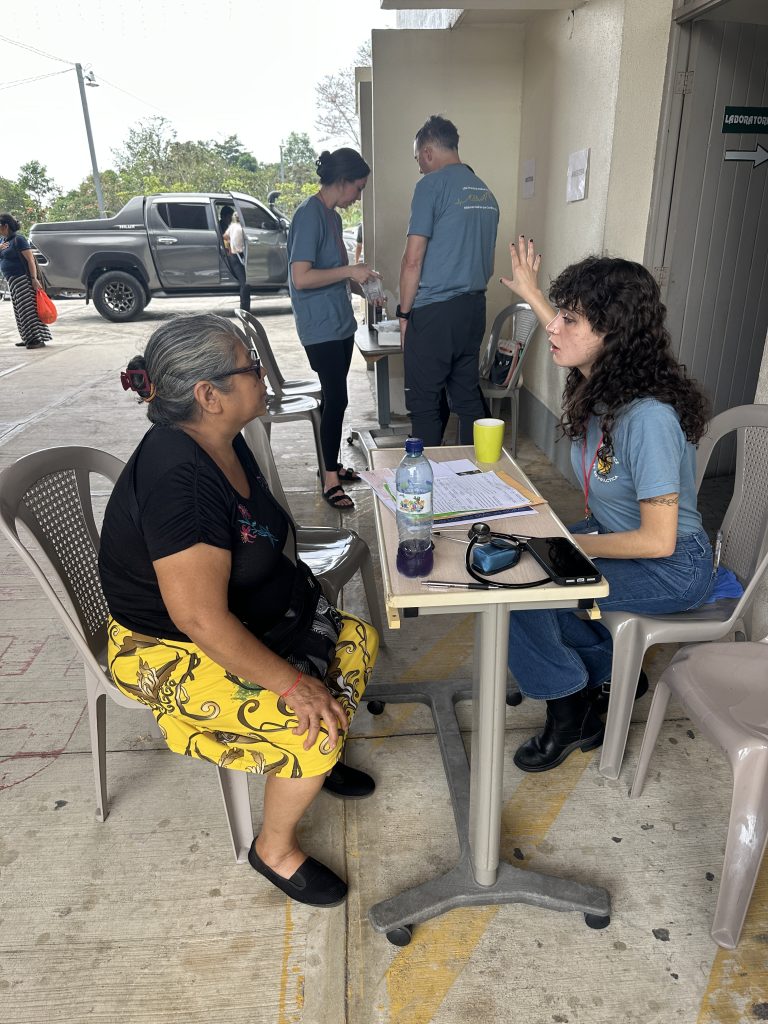
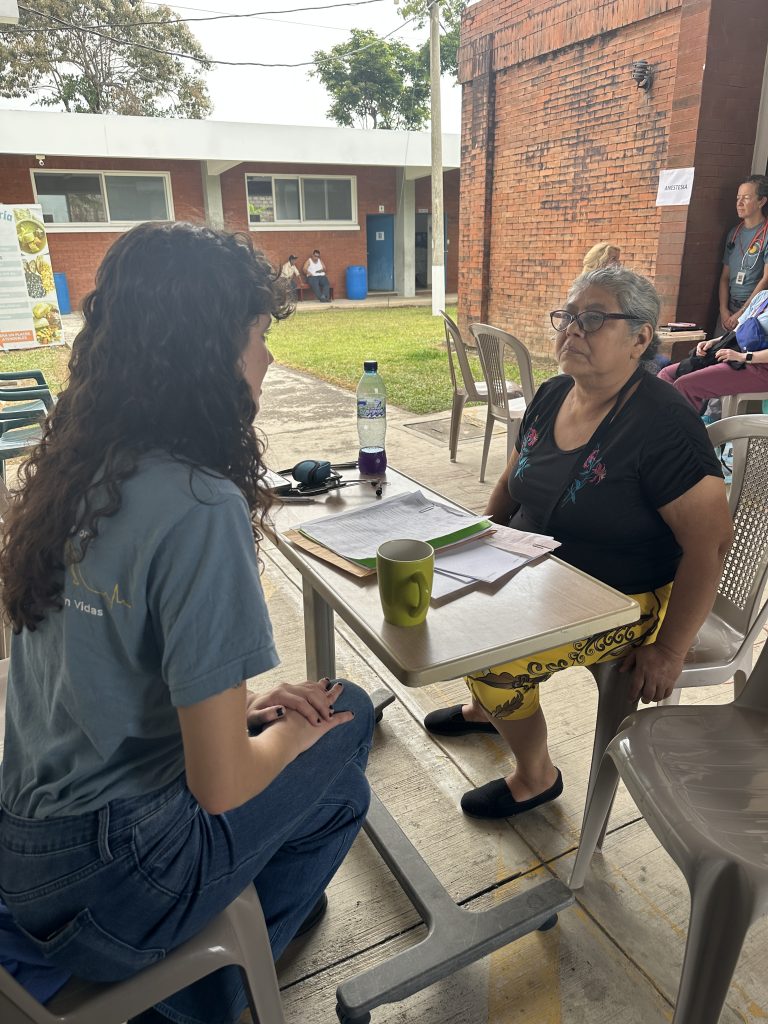
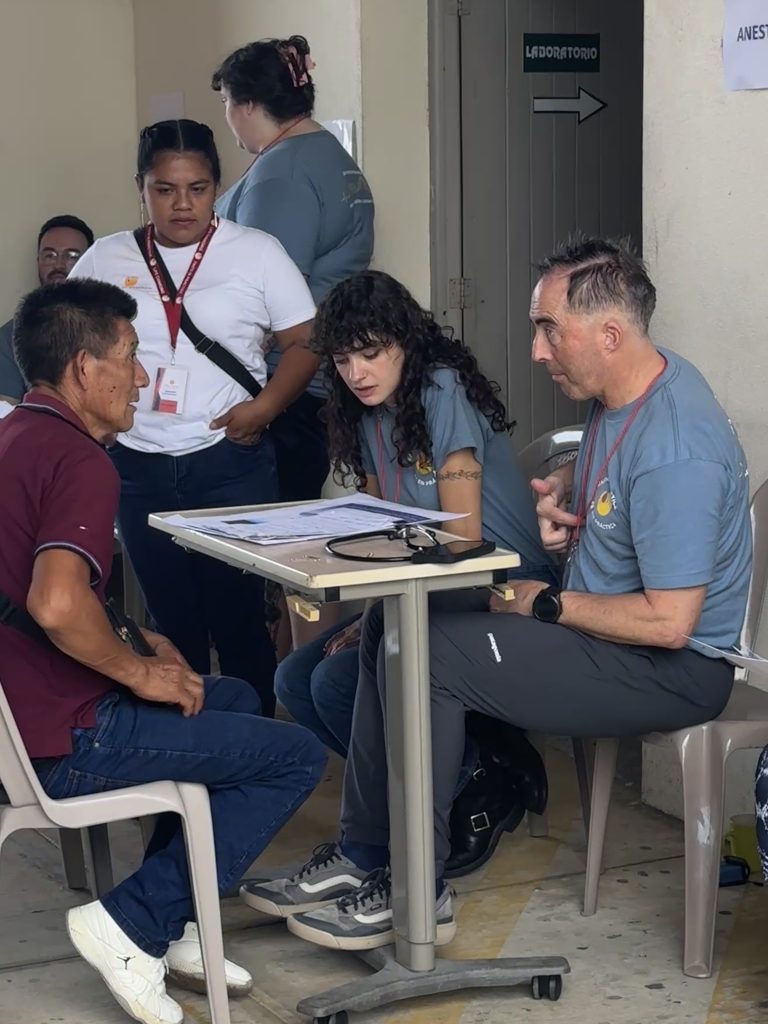
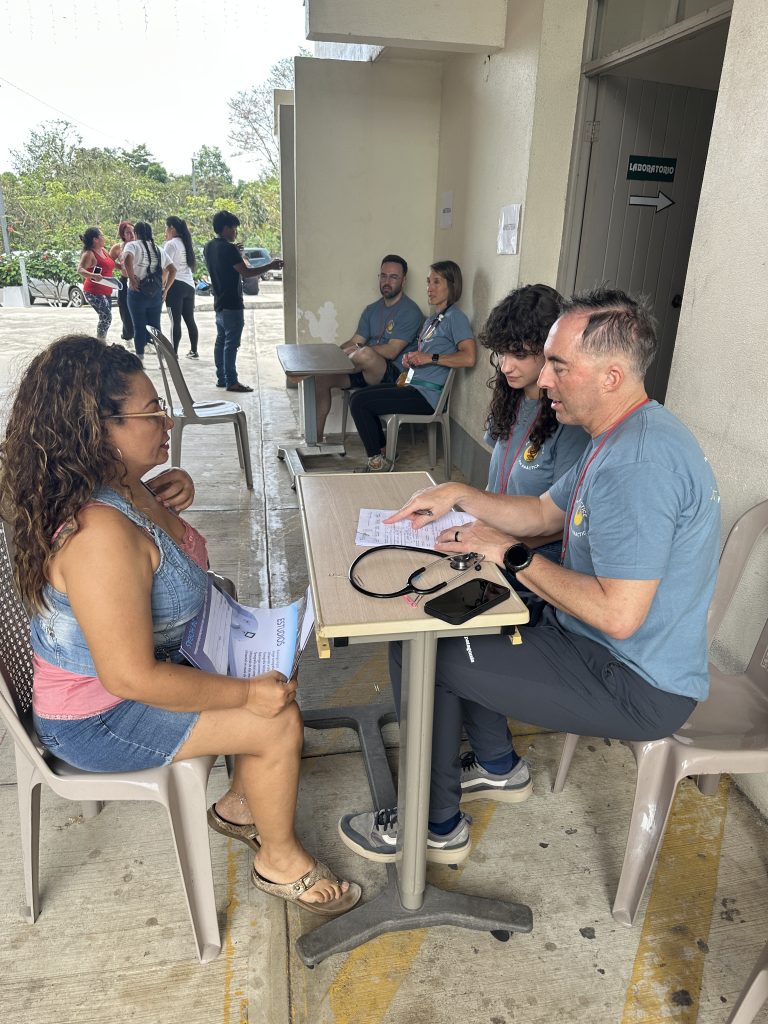
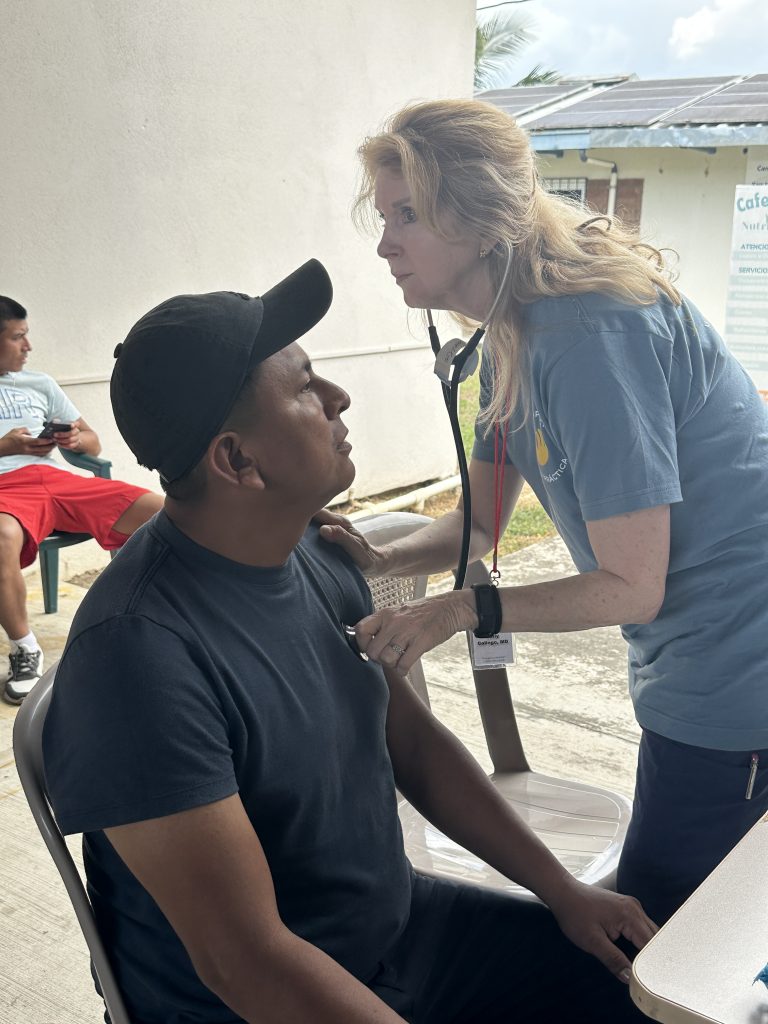
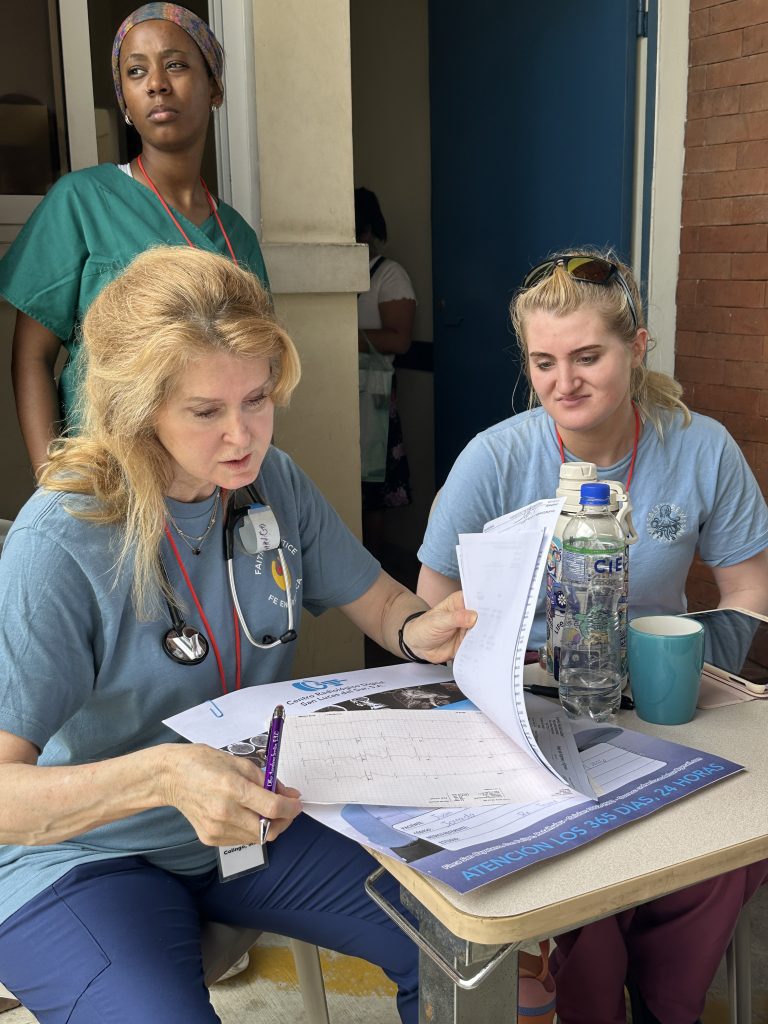
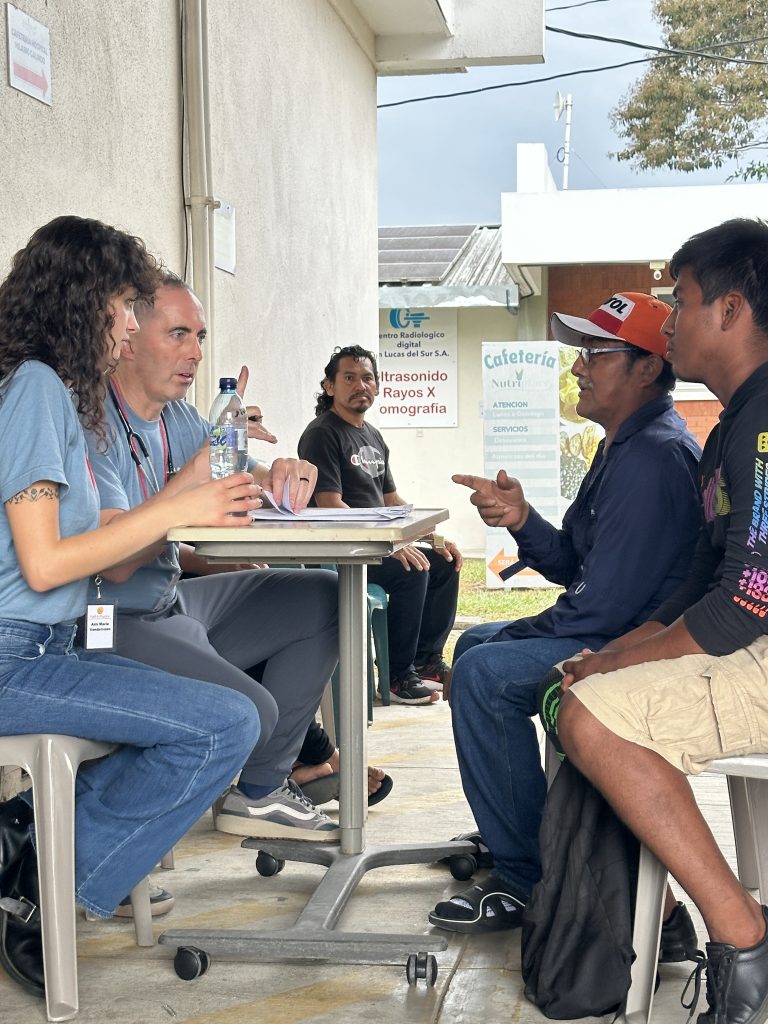
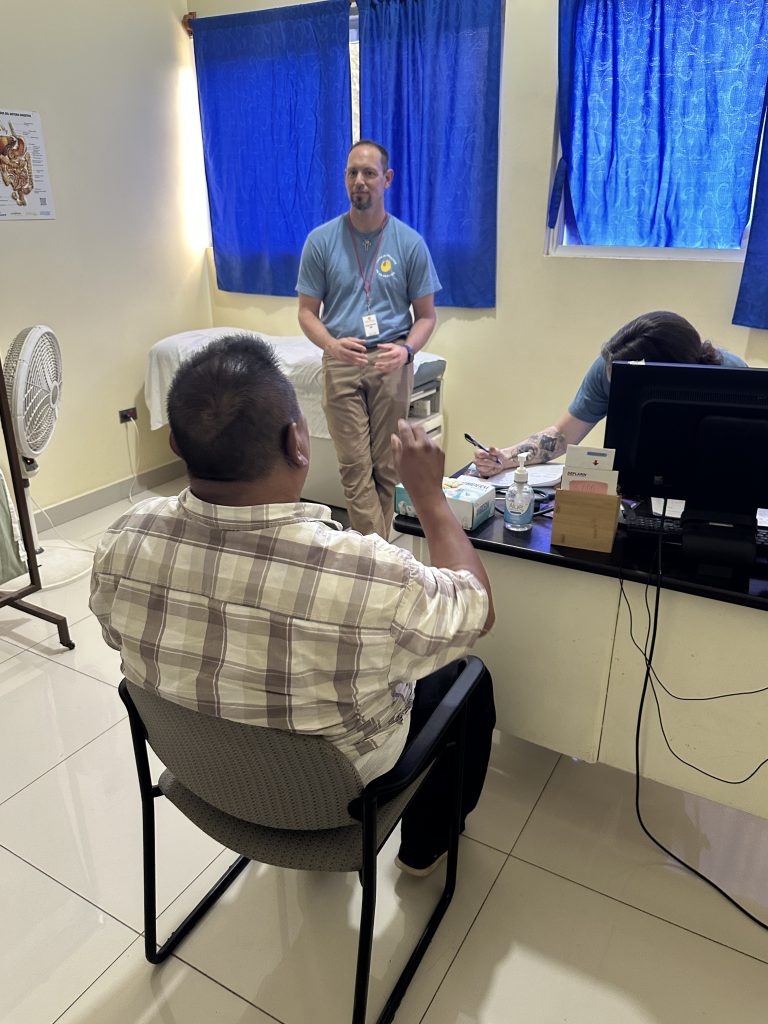
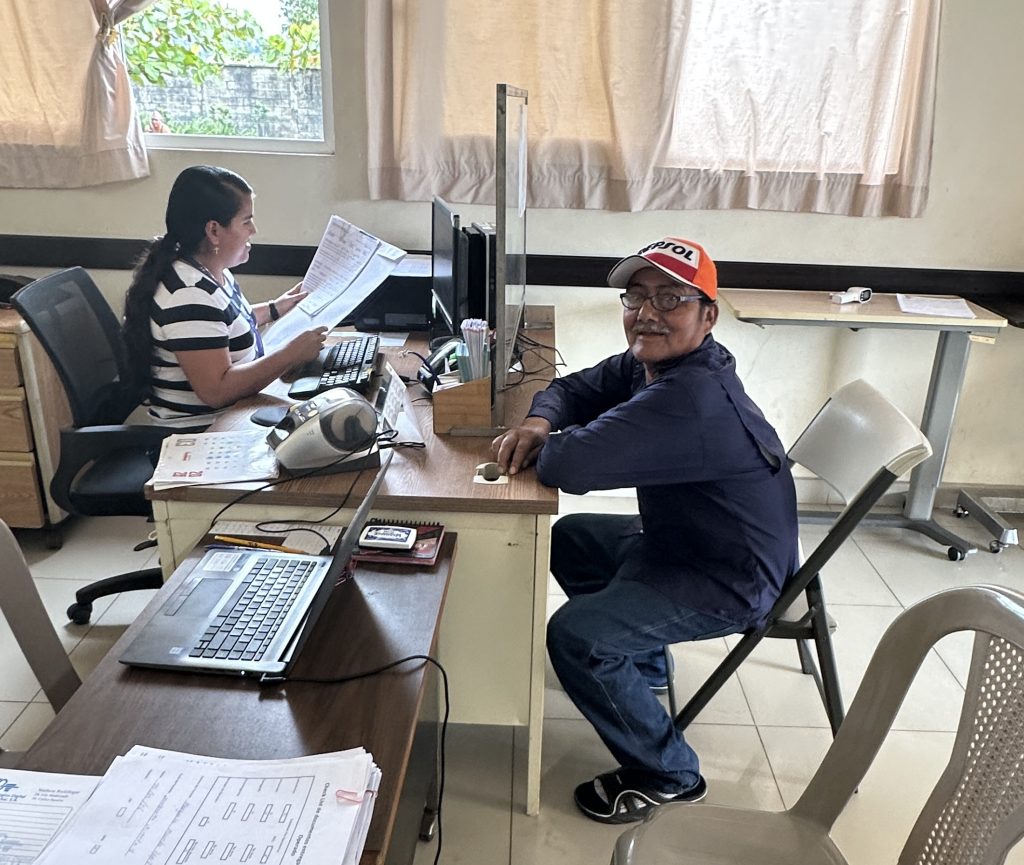
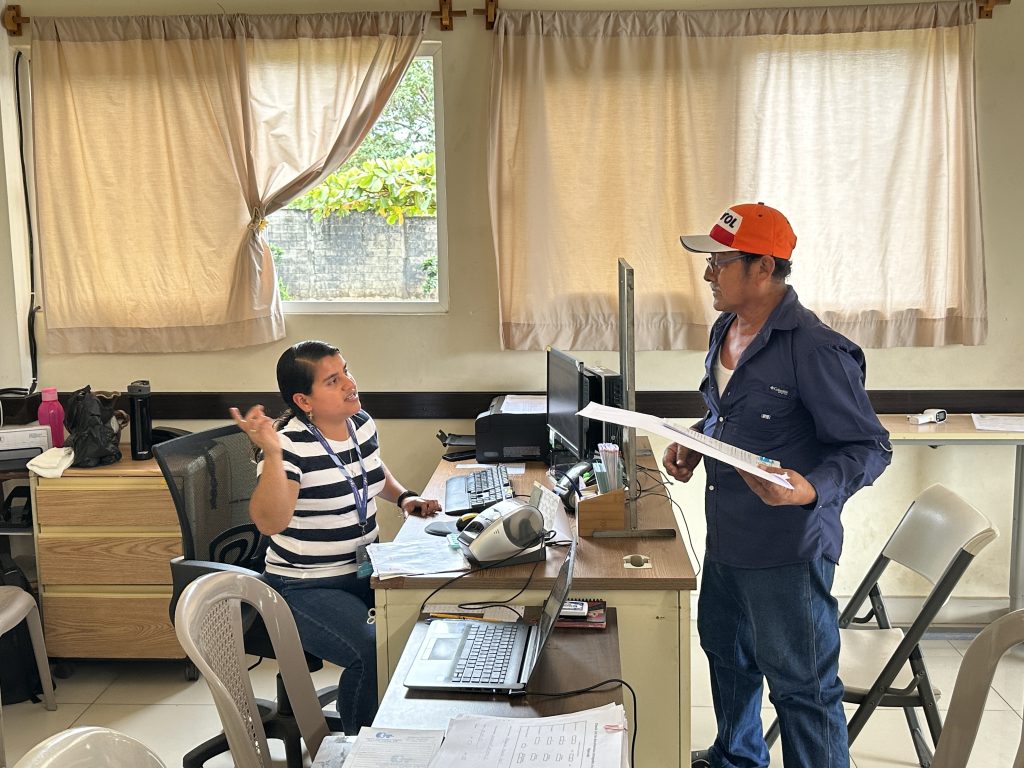
At intake, Faith in Practice staff member Ariel greets patients and gathers health histories while Emre takes vitals and helps triage. Some patients see volunteer physician Dr. Loreen Garcia for additional screening. Not everyone needs a wheelchair—some will benefit more from a walker or cane—but careful evaluation ensures each patient receives the help that will make the biggest difference.
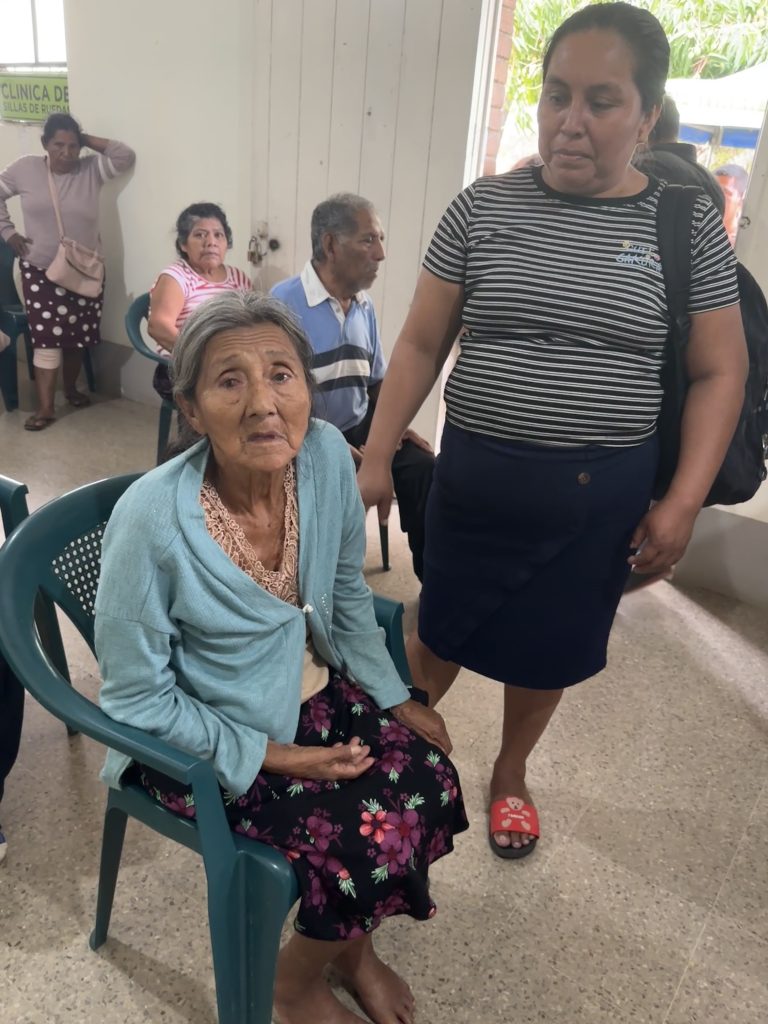
One patient today is Marilu. She traveled from the Malacatán region near the Mexico–Guatemala border. For 30 years she has been unable to walk and has rarely left her home. At the clinic, she is carried from place to place in a plastic chair.
Still, her excitement is unmistakable.
When asked what she hopes to do once she has a wheelchair, her answer is simple: sit on the patio outside her home and attend the nearby church instead of remaining confined to her bed. She smiles and says she is grateful to God for the chance to find peace in her life.
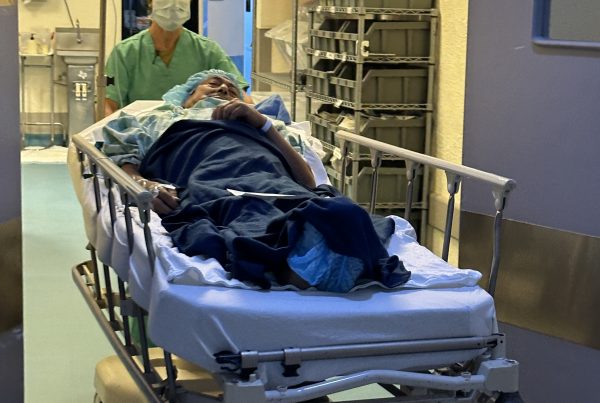
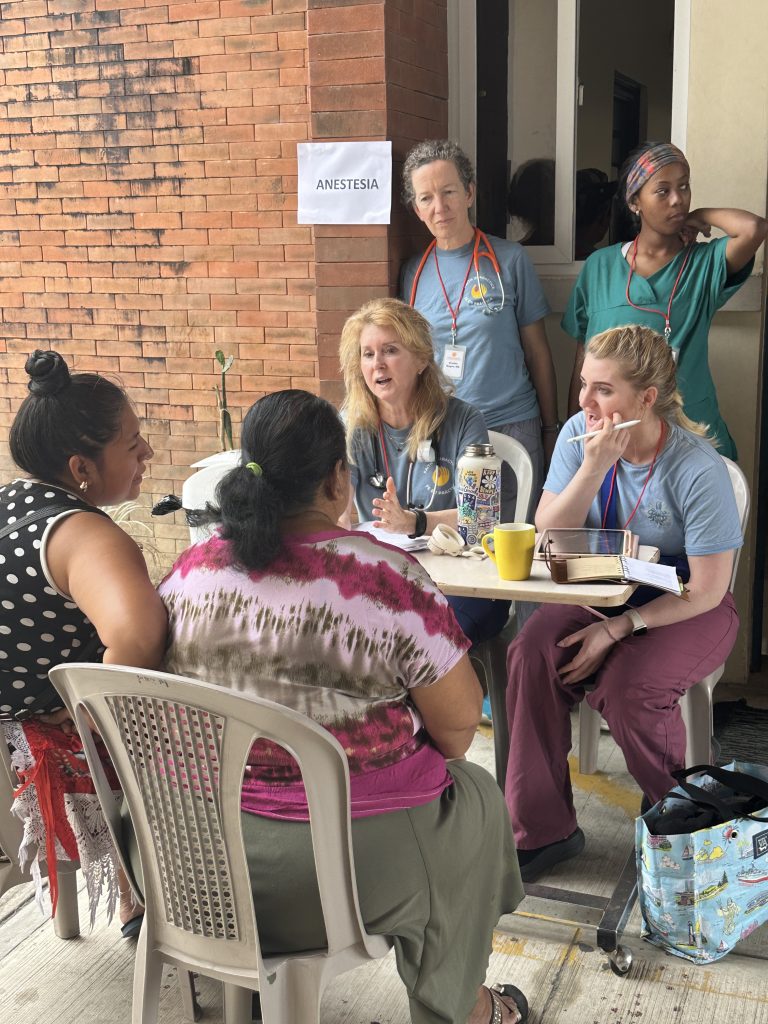
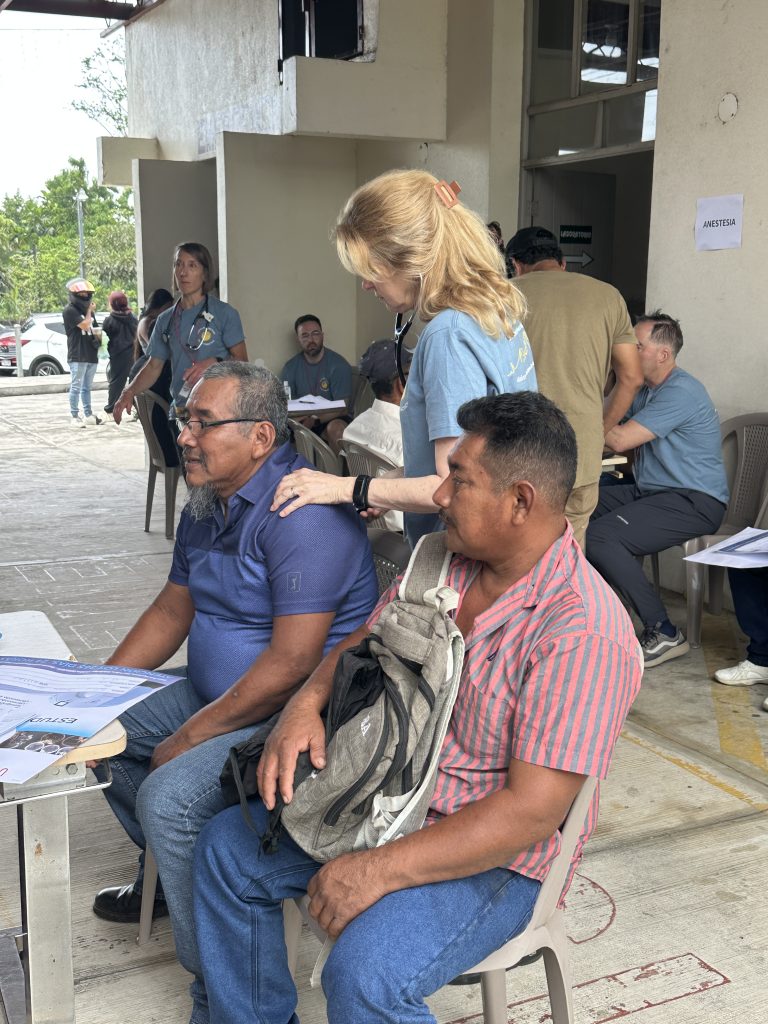
Across the hospital, another group of patients waits to be evaluated for surgery. Many have lived with painful gallbladder disease or hernias for years. For men who support their families through physical labor, a hernia can mean they are no longer able to work.
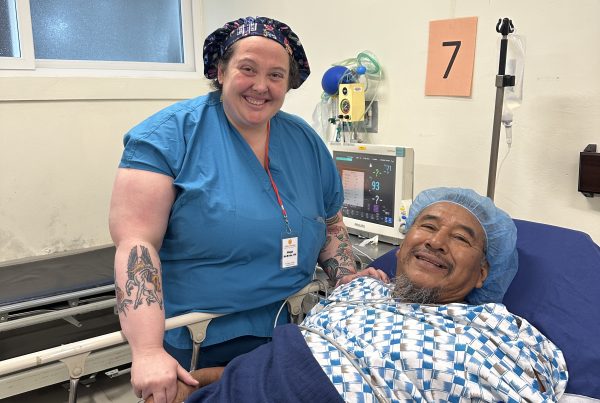
That is the case for Bernave, a farmer who developed a large hernia that forced him to stop working the land.
“We’re poor, so we can’t afford private healthcare,” he says. “I knew I could come here and actually be seen.”
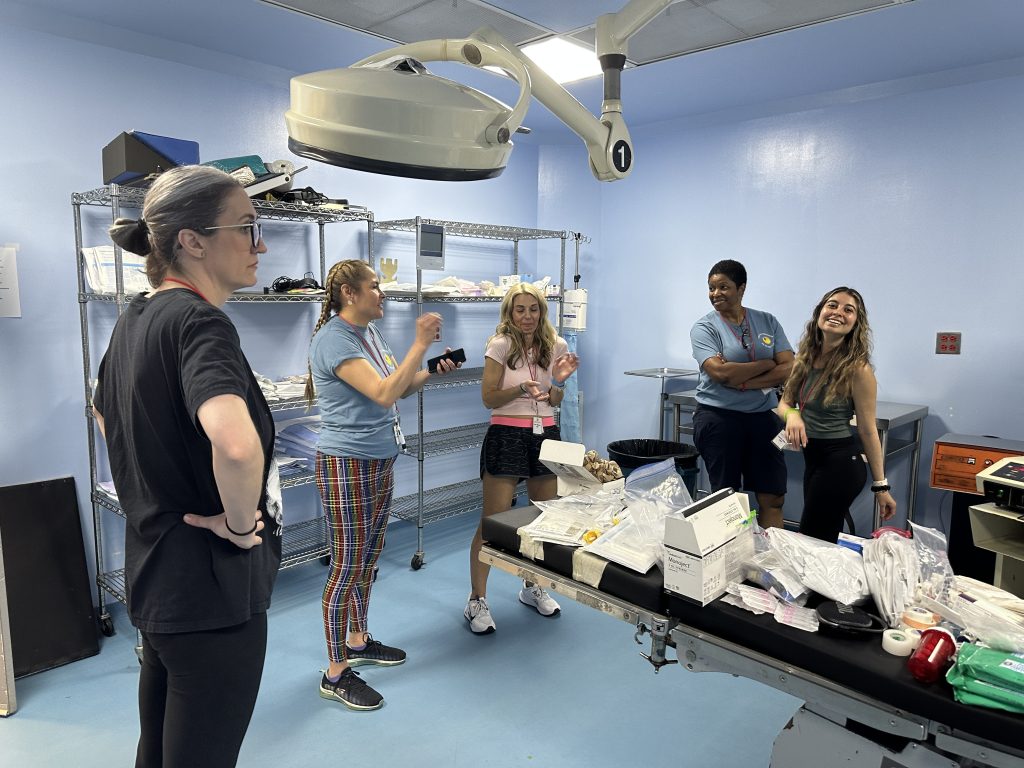
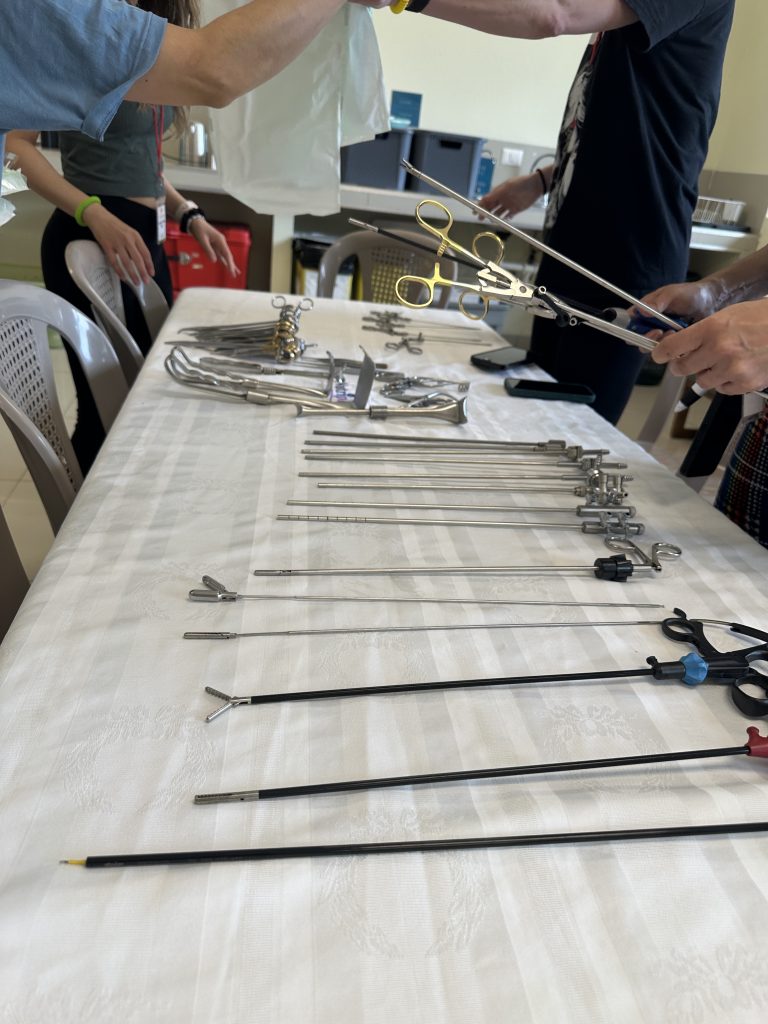
Limited resources shape how the volunteer medical team works.
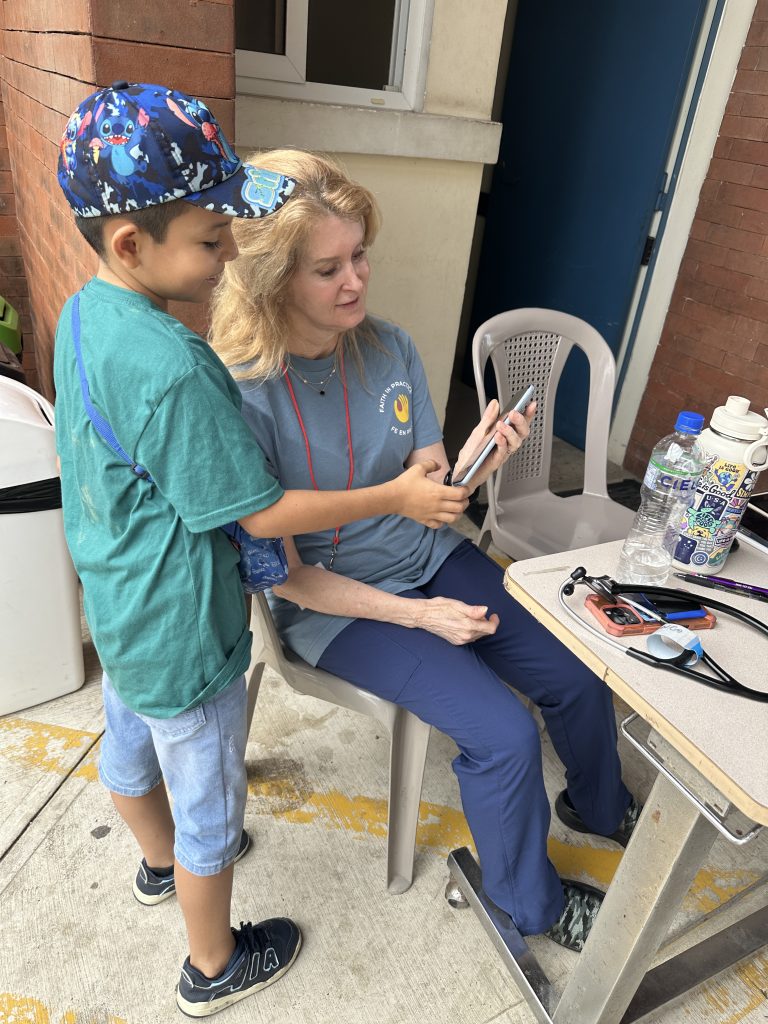
“In the States we have access to a million more resources,” says Callie, a CRNA on our team. “Here we try to provide the greatest comfort and safety we can using as few supplies as possible.”
What stands out to her most, though, is the patients.
“They’re so grateful,” she says. “They’re patient and kind.”
Not everyone will be able to have surgery this week. Some need to improve their health first, while others require specialists who will come with future teams.
But even when surgery must wait, the Faith in Practice team works to ensure patients are not forgotten.
Because for many people here today, this visit is more than a medical appointment.
It is hope.