The Details Are in the Dishes
Michelle Montes – Team Blogger and Daniel Montes – Team Photographer
Nobody could say for certain where it happened. Maybe the outside playing with friends, maybe the edge of the mountainside, maybe somewhere along the road on an ordinary afternoon. Without really knowing the location or the cause, it was hard to pinpoint the true culprit scenario. All anyone knew was that a mosquito — that smallest, most forgettable of nuisances — had landed on a four-year-old girl, and that something afterward went very wrong.
The bite itself should have been nothing. A welt, an itch, a few days of scratching. It is still so illogical that an insect so small can carry something so dangerous, so much so that it can change someone’s life. In a similar way that a single bite can deliver dengue fever, an ordinary nuisance can at times turn into something serious. In sweet, 11-year-old Zuleika’s case, the weeks that followed the bite, she lost all mobility in two fingers — her ring finger on one hand, and her middle finger on the other. Both fingers seemed to lock, seemingly permanently, in a downward-curled position — bent toward her palms as though frozen mid-grip, refusing every instruction her mind tried to give them to align.
Her ring finger, locked down, was the kind of thing that could one day limit something as meaningful as wearing an engagement ring or a wedding band. And the middle finger — well, if you were a Spider-Man fan, you might think the position was a novelty at first. One finger tucked down, almost on purpose for the signature move. For a little while, maybe, that’s a fun thing to show your friends. But novelty has a short shelf life. After it came waves of confusion: wondering why her finger won’t move, why it wouldn’t listen, why it didn’t feel like hers anymore. After that phase would like come anger or frustration, with the inability to push buttons grip crayons or tie her shoelaces, all the ordinary tasks that suddenly require negotiation. As Zuleika cycled through those phases, she faces probably, the hardest thing of all for a child: acceptance. The idea settling-in of this is just how my hands are now.
For seven years, that’s how her hands stayed, her curled fingers had simply become part of how she moved through the world. Her mother’s perseverance to correct or confirm whether anything at all could solve the stinging deformity is when the Faith in Practice team entered into the story. Dr’s Ben and Janae Kittinger were the ones who found a way forward. They were the ones who believed her fingers could be freed.
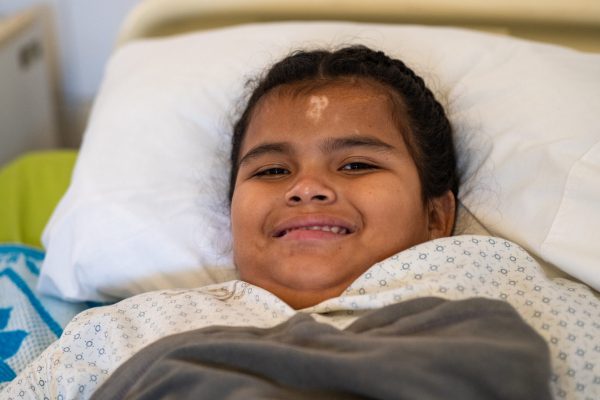
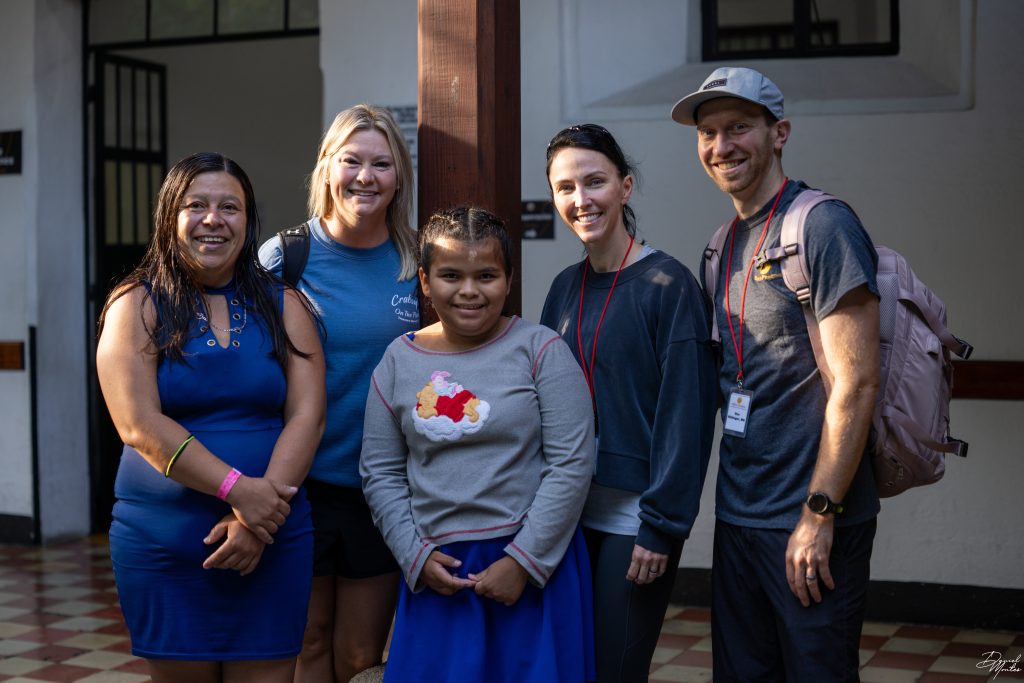
Zuleika’s zeal for life and sense of gratitude for the help showed itself long before the operating room. It was there in her eagerness to welcome the team on surgery day. It was there in her exuberance every time she ran into us around town. And it was there in a quieter moment, too: while staying at Casa de Fe before her surgery day, the team walked in to find the eleven-year-old girl at the sink, washing dishes, pitching in for the facility that so many patients rely on, the place that helps ensure they’re ready for surgery or that their recovery has progressed enough for them to go home. To me, it’s that right there, the details are in the dishes. This single, sudsy moment showed that little girls heart (as it also showed her ability to navigate life with limited mobility), but after hearing that story, I just felt like, wow, look at this child’s heart. Look at her sense of responsibility. Look at her sense of service.
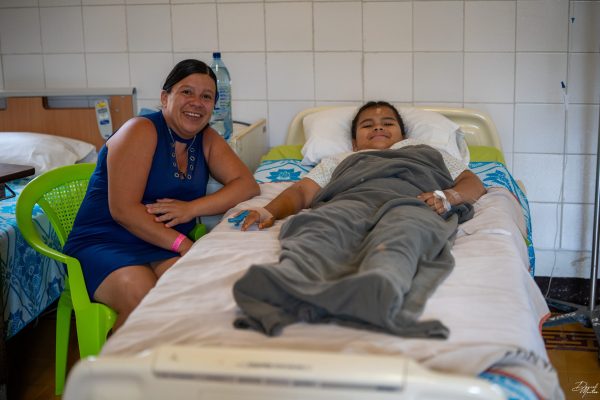
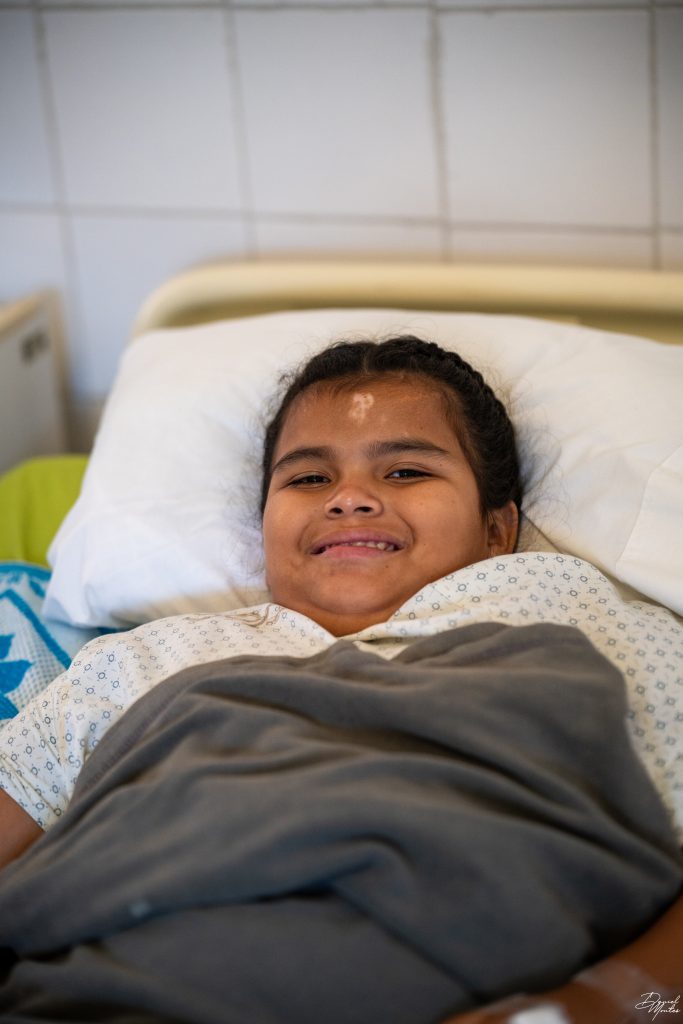
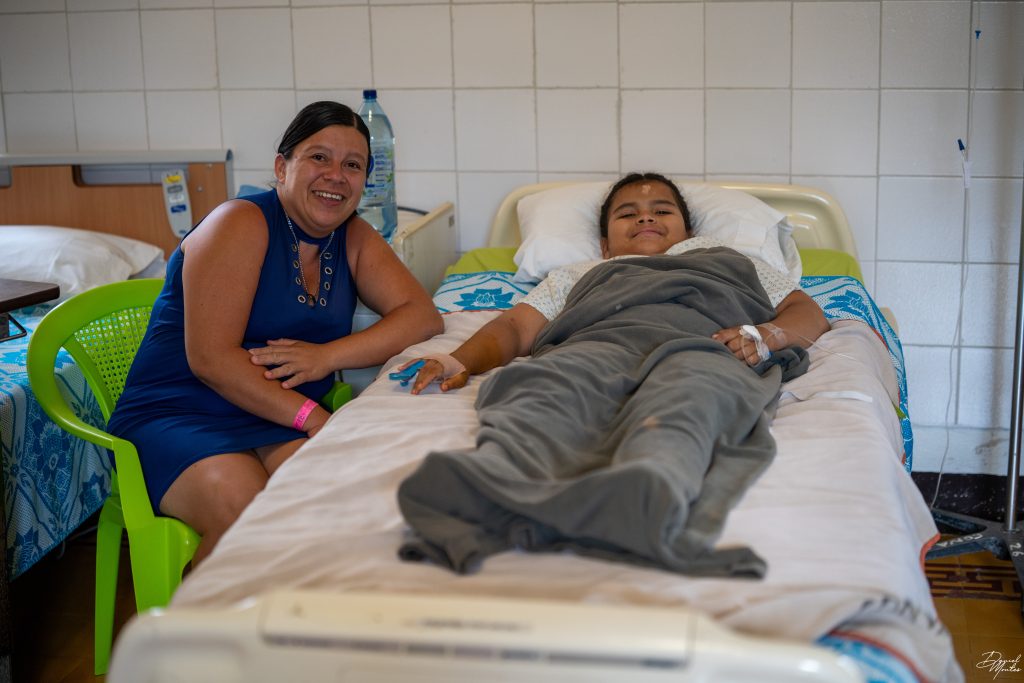
And so, we served together, but in different ways. As we entered the hospital on her surgery day, she was eagerly awaiting the team — not hiding, not crying, but watching the door, eagerly waiting in the patio for us to walk in. Post-op, she was all smiles and her mom’s appreciation filled the room. At last, an answer.
Similar to many patients, correcting this injury is also a process and this week’s successful surgical event was one of two surgeries. Zuleika will have to undergo physical therapy to regain her full strength and ensure the tissues stay healthy. Her second surgery will likely take place in the next 4-6 months. But nonetheless, there is progress to celebrate.
The smallest insect in the world set all of this in motion — but it isn’t getting the last word. She is.