Tuesday Blog – 3/3/26
While there are a lot of reasons to be proud of the work we do here with Faith in Practice, it’s also important to recognize the reality of the situation. With the level of necessity of medical care here, there are times when circumstances feel painfully limited, and, despite everyone’s best efforts, it feels like we’re letting our patients down.
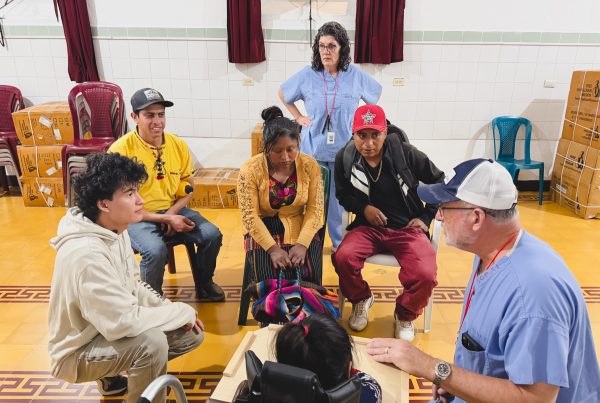
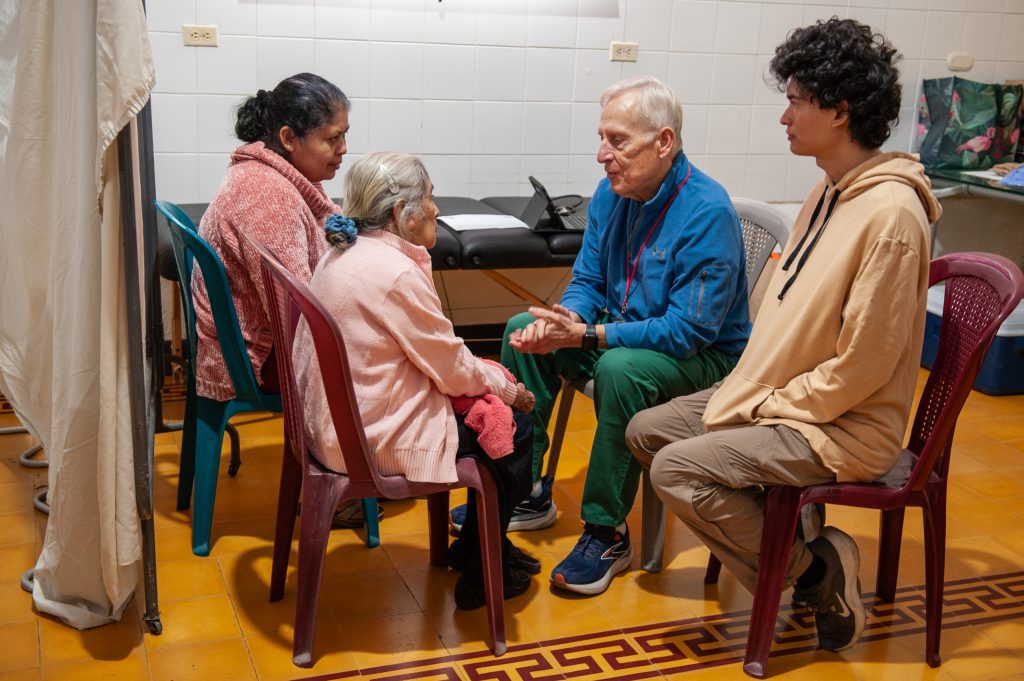
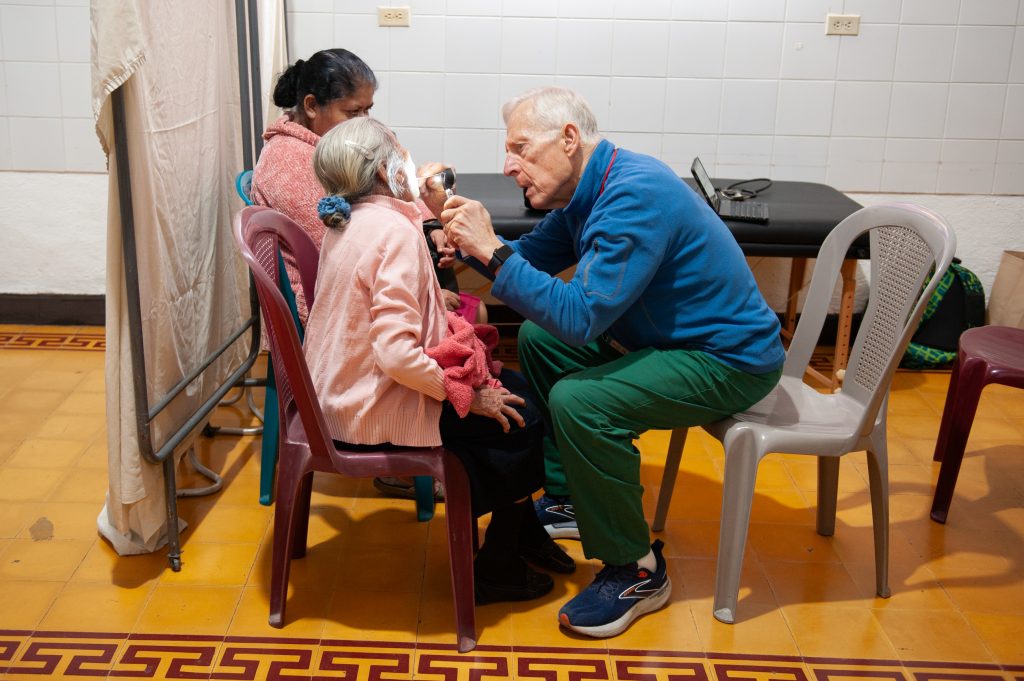
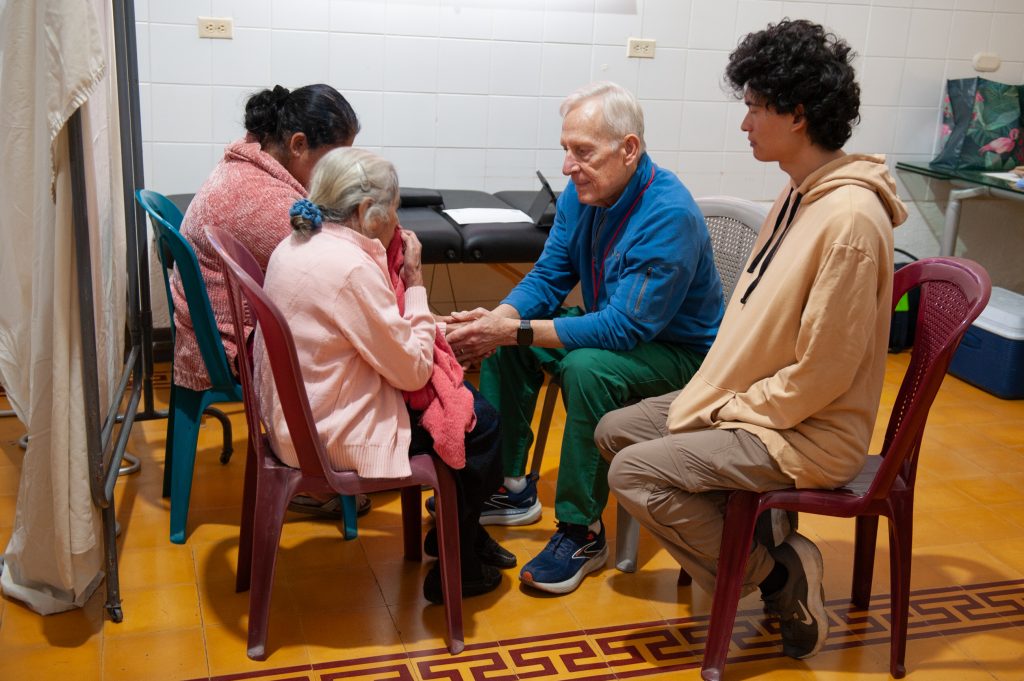
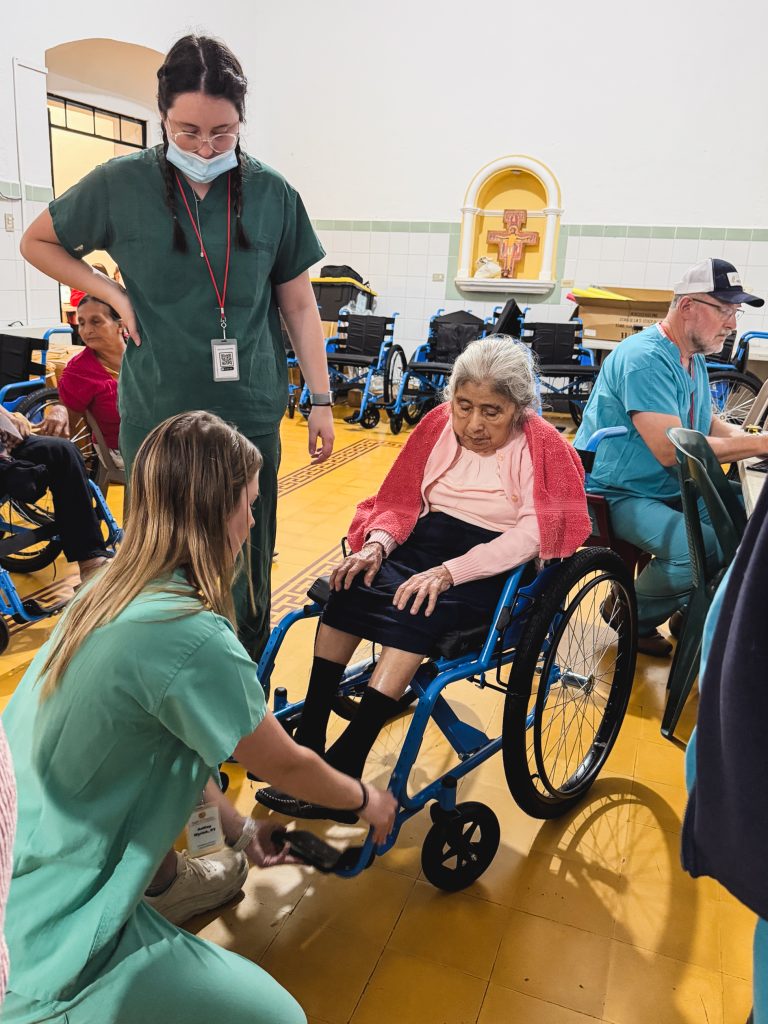
This is a challenge encountered in every branch of our Faith in Practice team. Tuesday alone offered several examples of this difficult reality. In the morning, team doctor Mike Noel recounted the disappointing and aggravating situation in which a woman, showing up to the wheelchair clinic for an unrelated issue, was instead identified with a concerning lump by Dr. Mike. While he couldn’t make a definitive diagnosis and advised further testing, he admitted he was fairly certain that the lump was cancerous. In that moment, all he could offer was his sympathy and recommendations, not exactly as much as he wished he could have given.
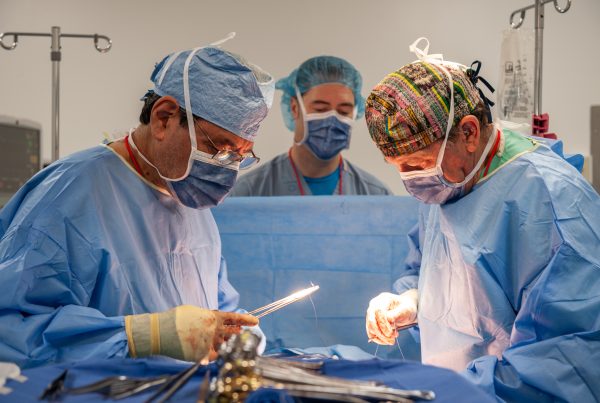
This is not a feeling exclusive to our doctors. A similar situation unfolded in Pre-Op on Tuesday. One woman arrived for surgery for an incarcerated umbilical hernia, but scarring of the liver had caused portal hypertension severe enough that Dr. Matt Baker determined he could not safely operate. Without surgery, the patient will unfortunately have to live with the hernias until the other issues get under control. This is especially difficult because meaningful improvement in her physical condition would most likely come from a liver transplant, which is extremely unlikely given the circumstances many patients in Antigua face. Riley Putnam, Matt’s translator, reported feeling a significant brunt of this disappointment, as while Dr. Baker was making the call, the words that the patient heard came from Riley’s mouth. In this case, the devastation of this case hurt many individuals who couldn’t help but put their hearts into hoping for a good result.
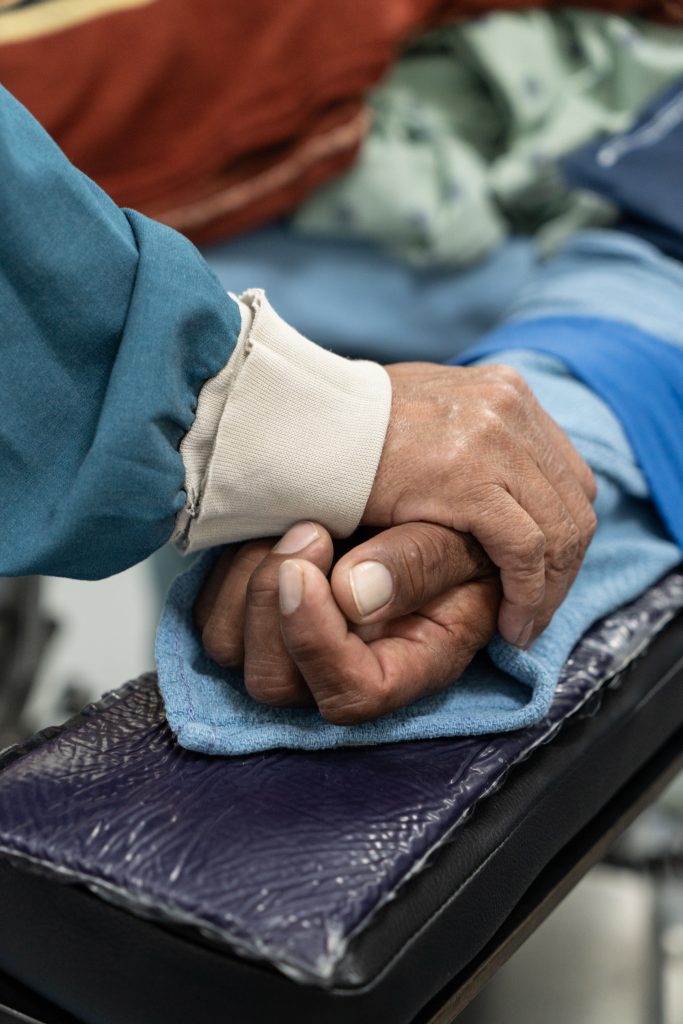
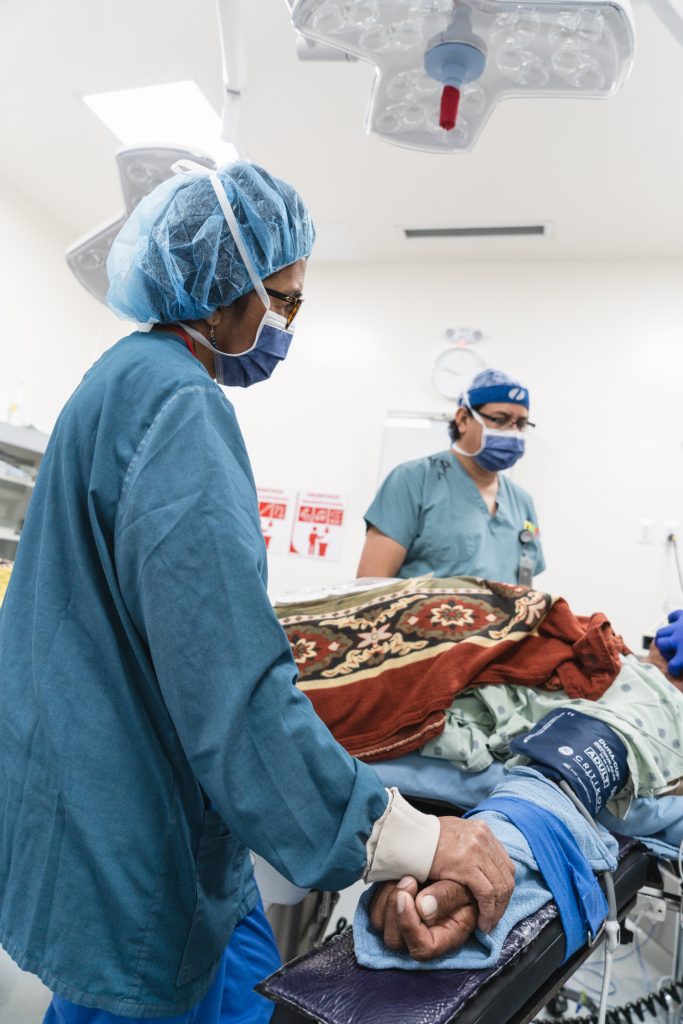
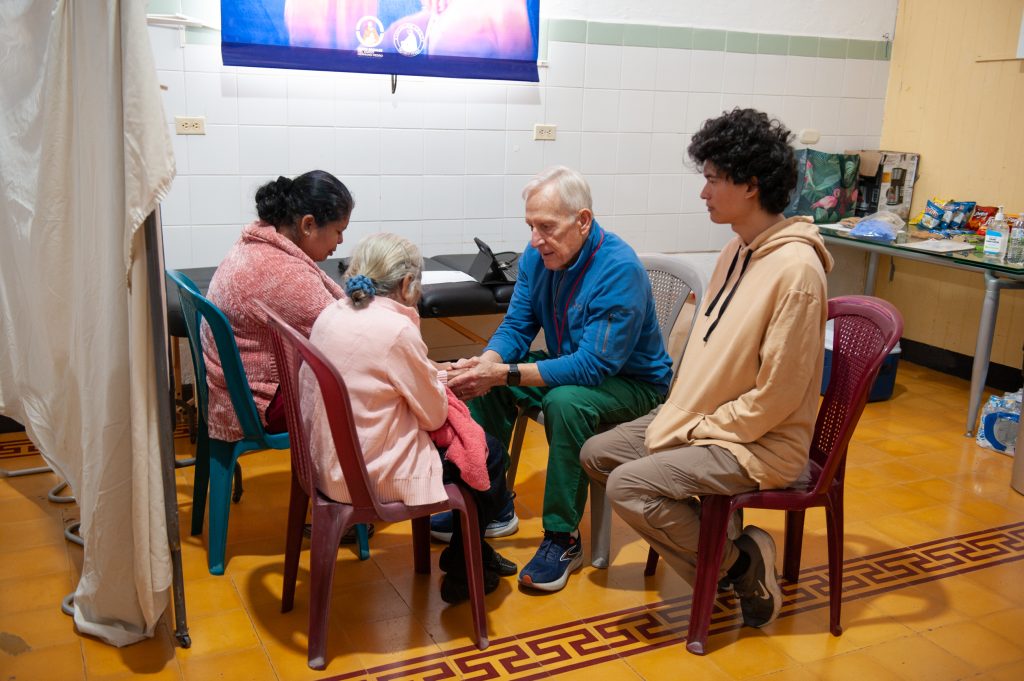
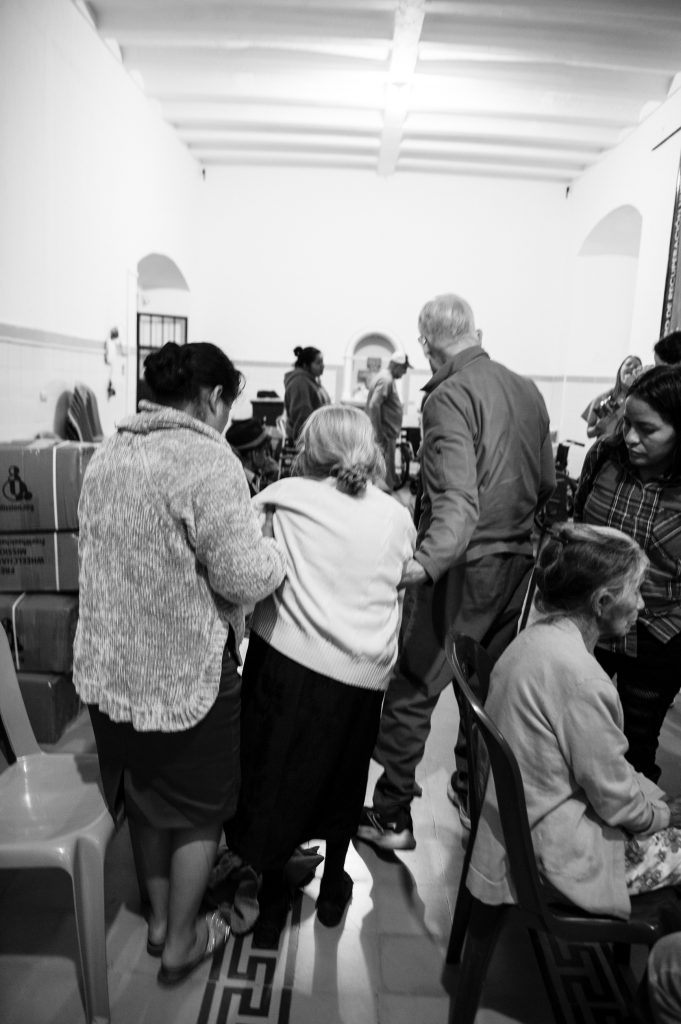
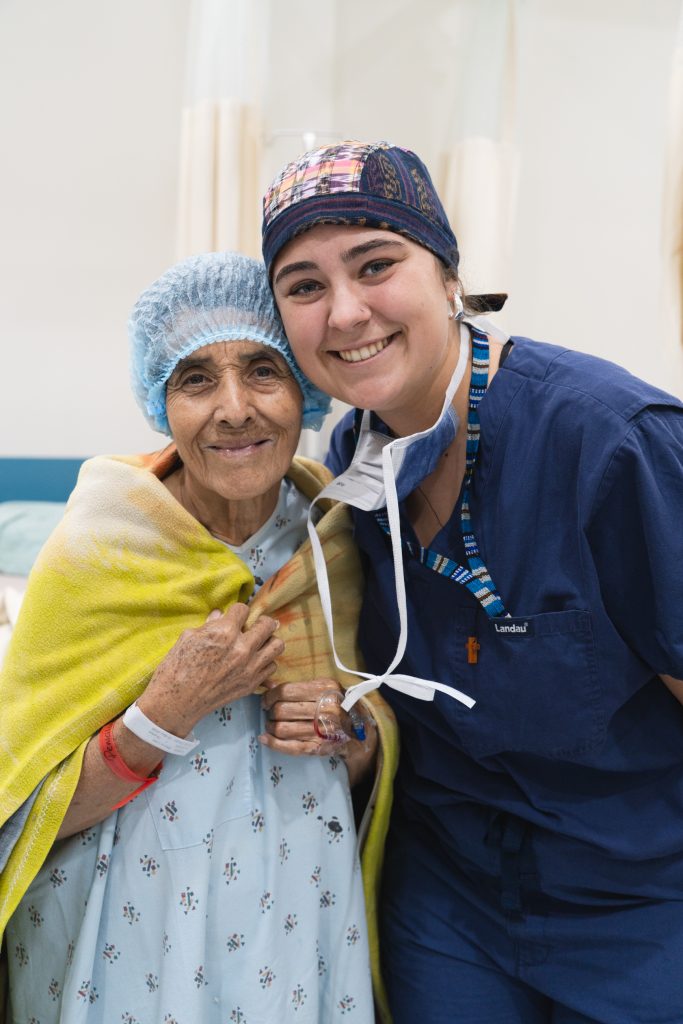
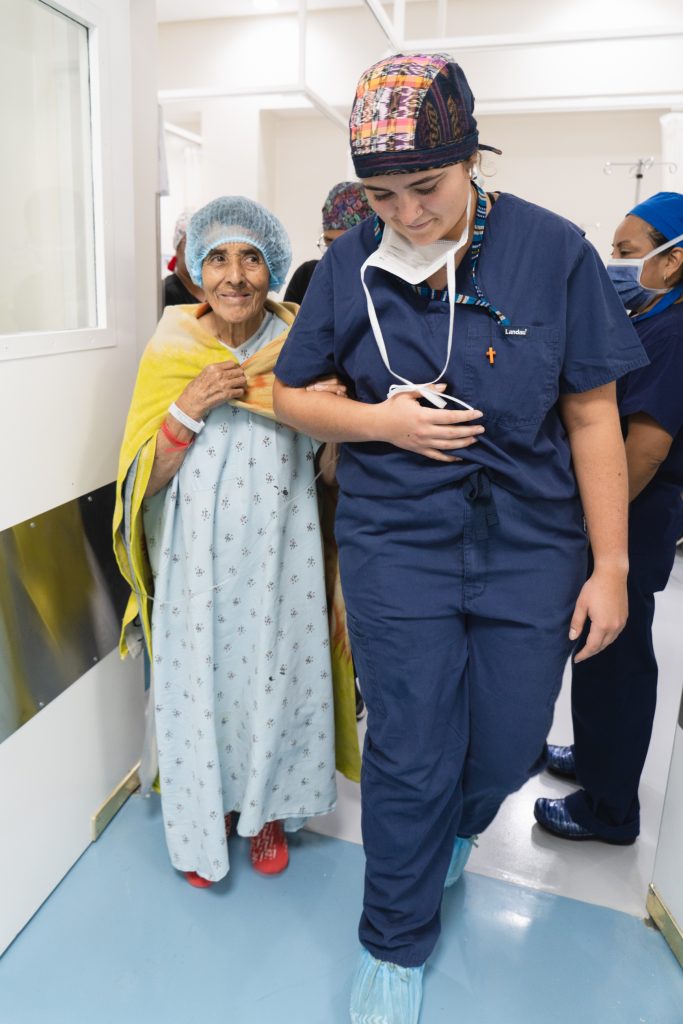
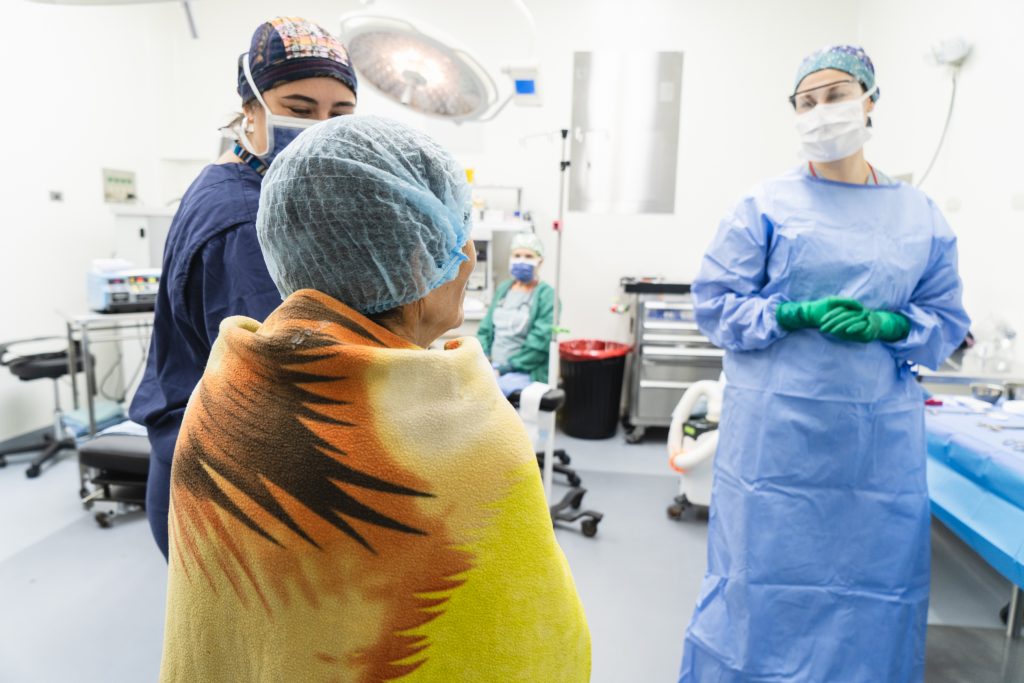
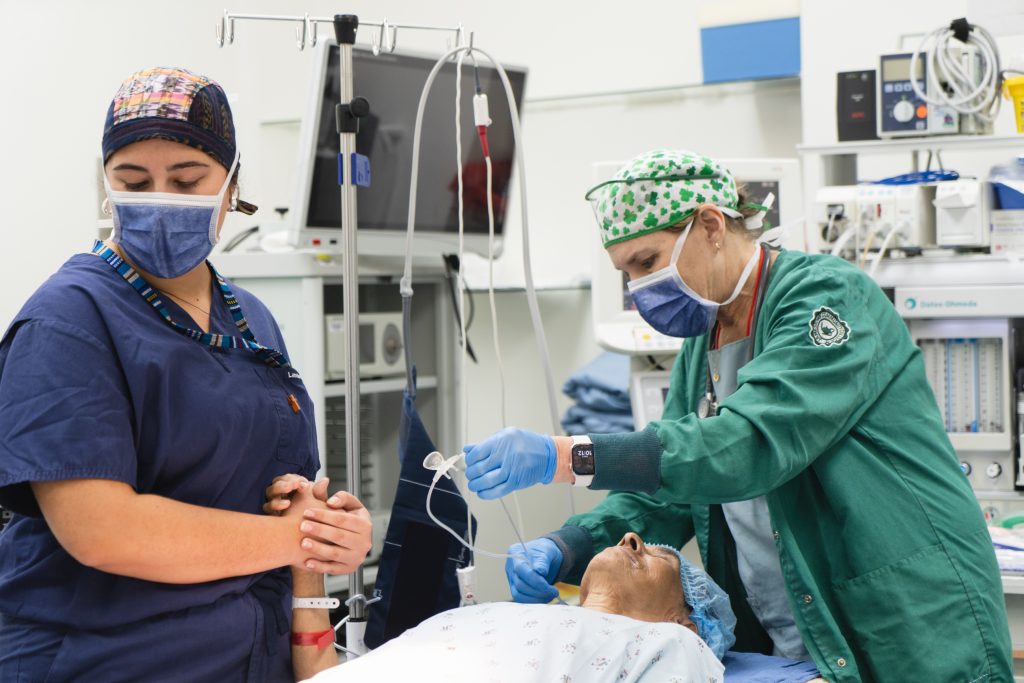
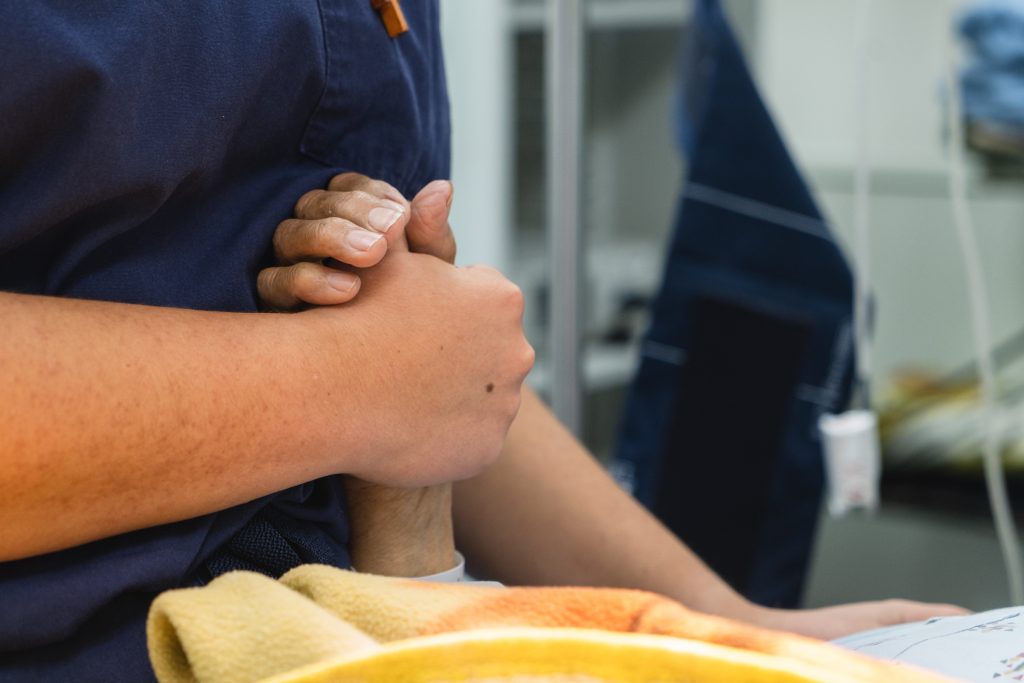
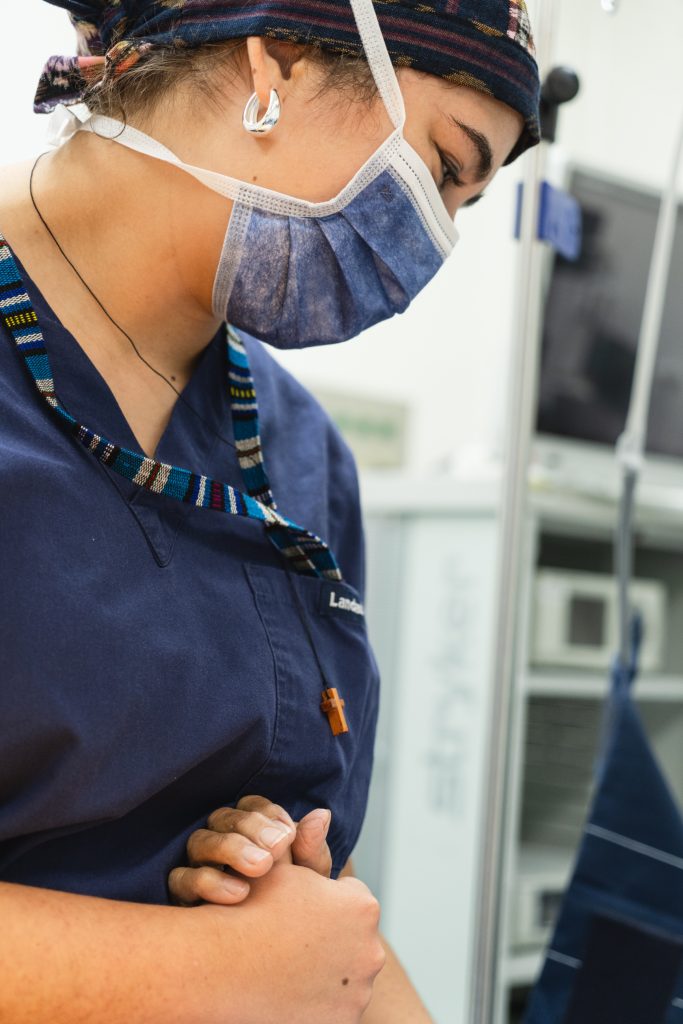
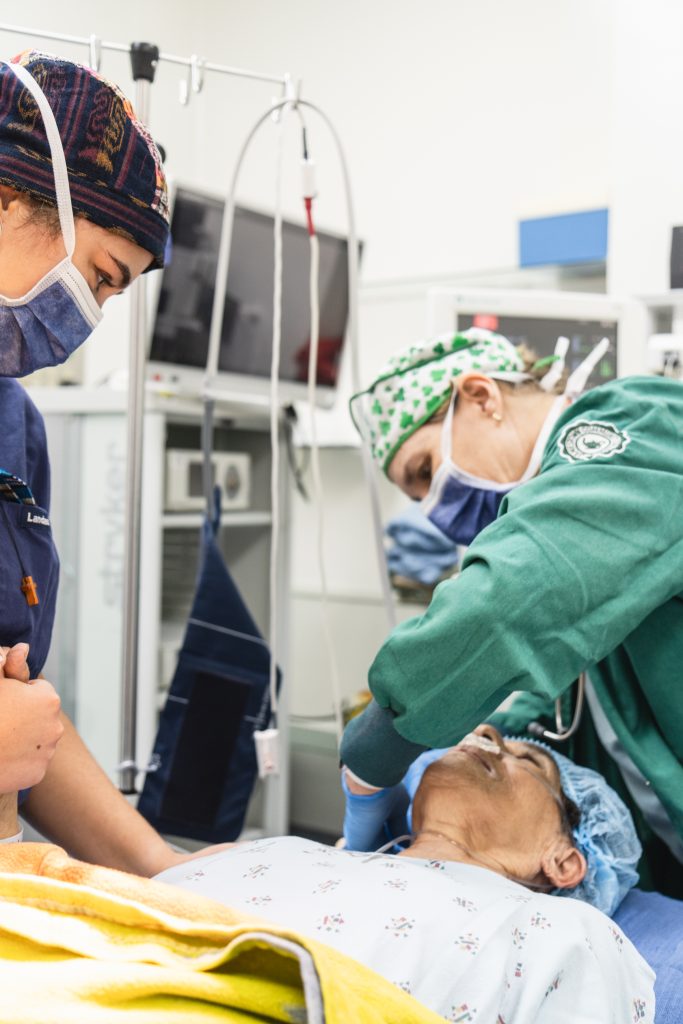
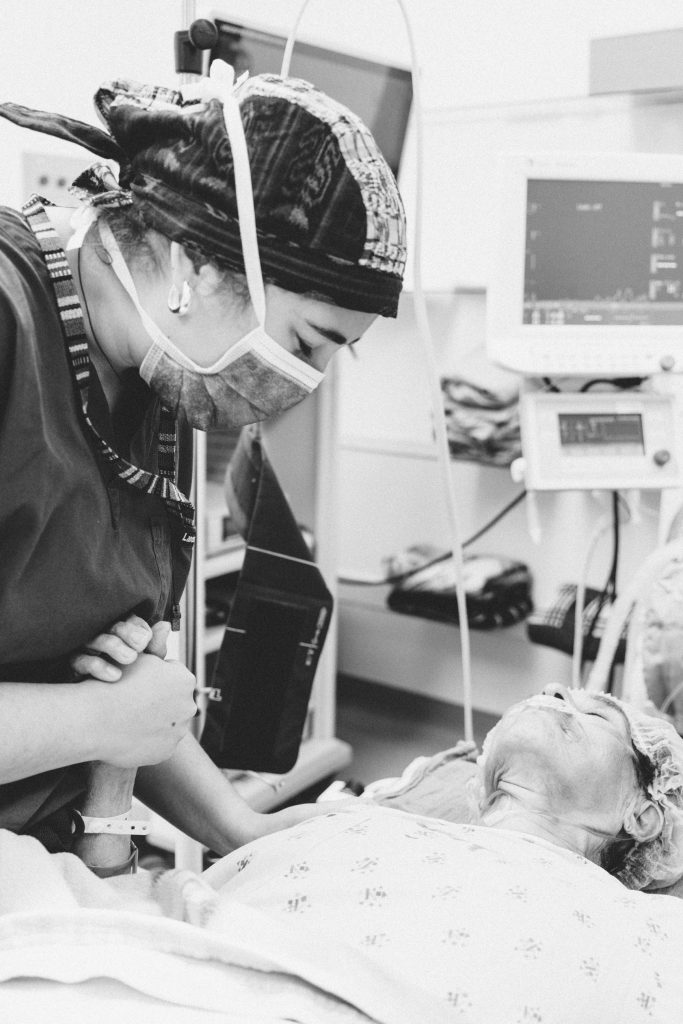
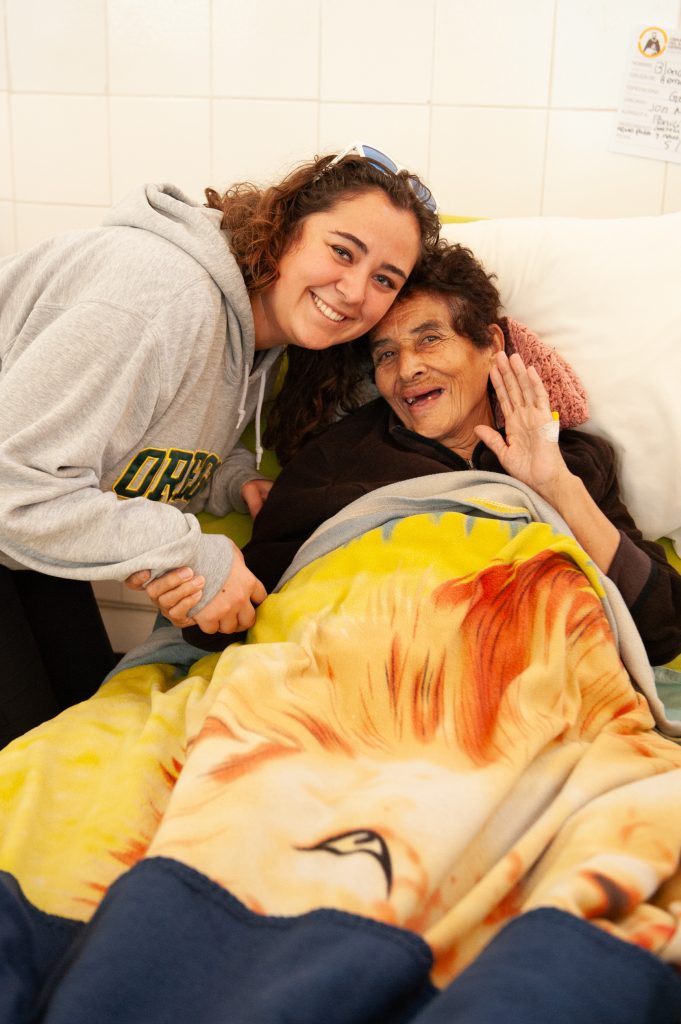
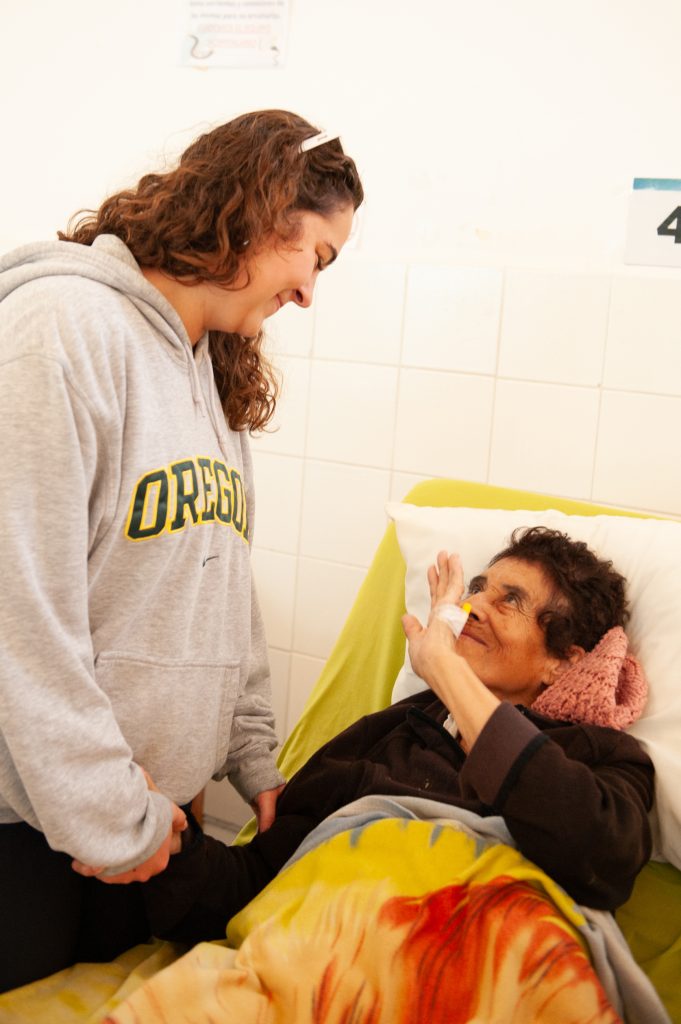
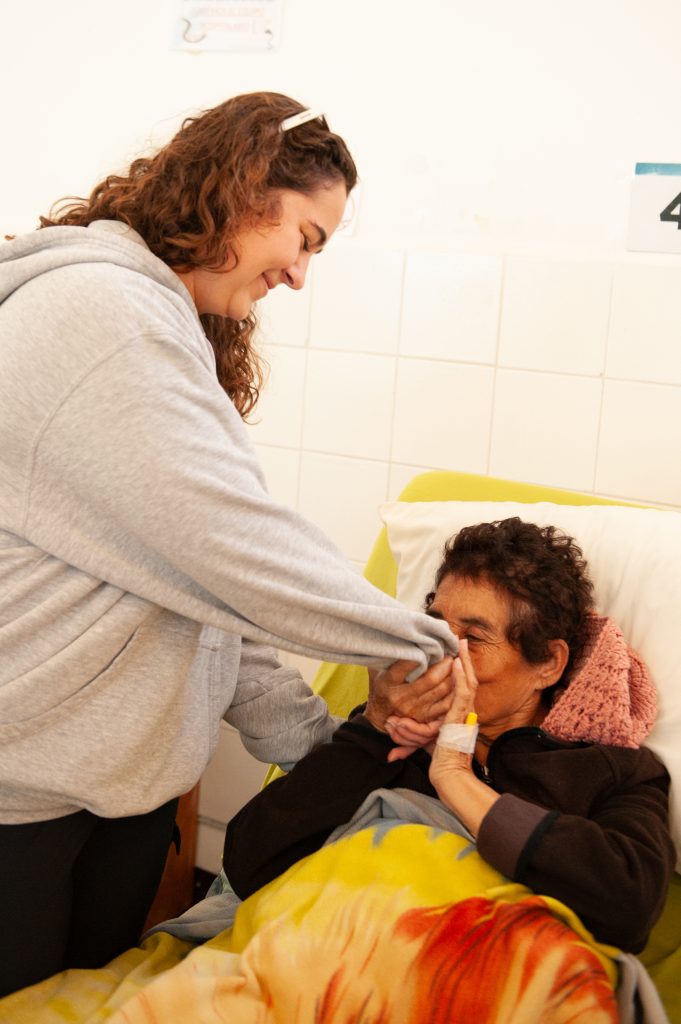
Moments like these can feel discouraging to the work of our mission. They are a glaring reminder of the ways in which medicine does not always provide clear victories, and yet they also remind us of the role that care and deliberation can play on the long-term impact of our work. Even when we cannot fix every problem that comes our way, we can still offer compassion, honesty, and faith to the people who need us. Riley exemplified this when a patient, terrified of being put to sleep for a procedure to remove a benign mass, needed comfort. Riley escorted her to the operating room, held her hand, and prayed with her as Dr. Lori Baker administered her anesthesia. In displaying these honorable qualities in challenging circumstances, we trust that God is working toward the best and is guiding us to serve as best as we can in the opportunities we are given.