Wednesday Blog – 3/4/26
In Guatemala, problems with the healthcare system do not stem from a lack of skill or compassion, but fundamental limitations in resources and supply for an overwhelming demand.
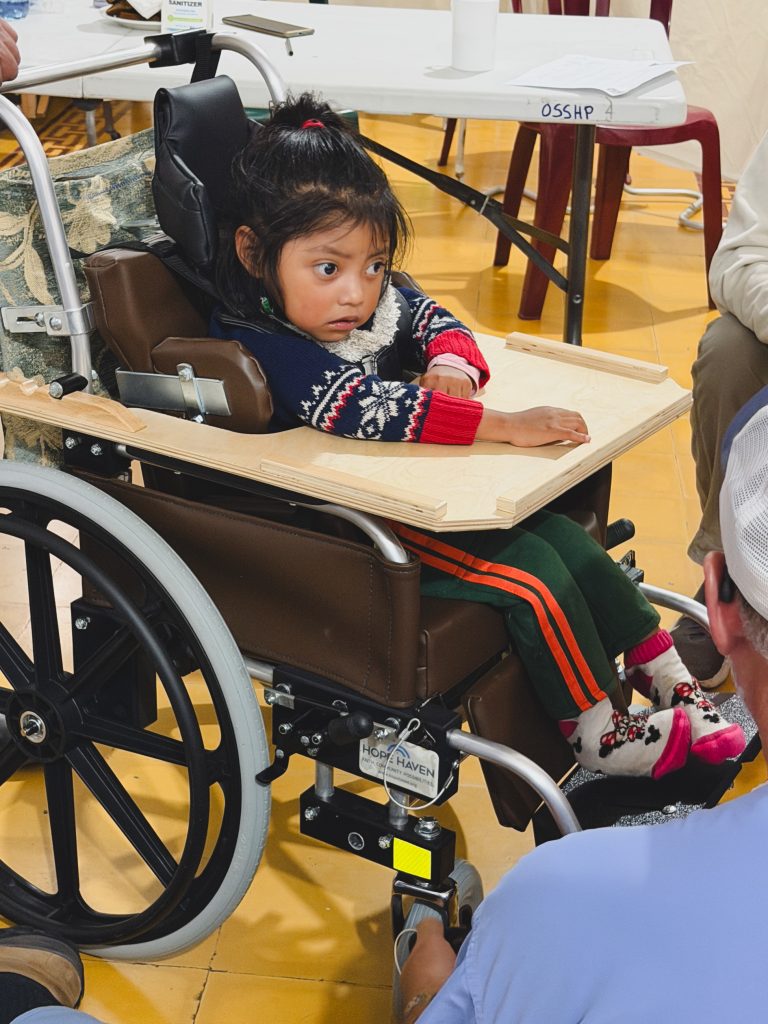
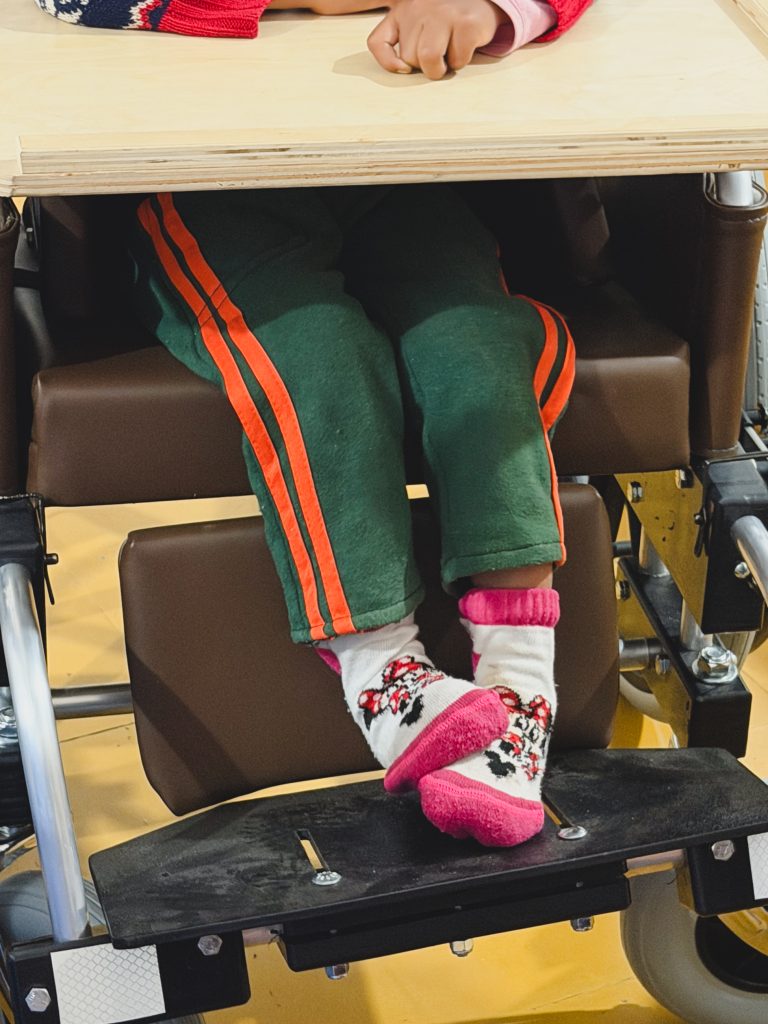
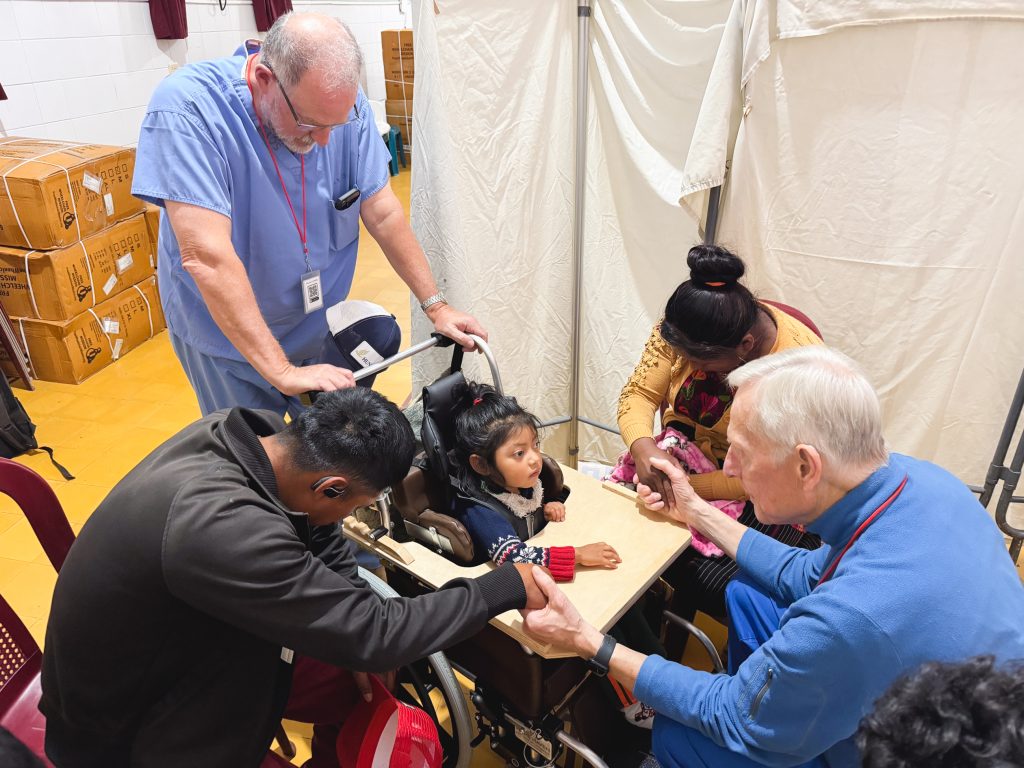
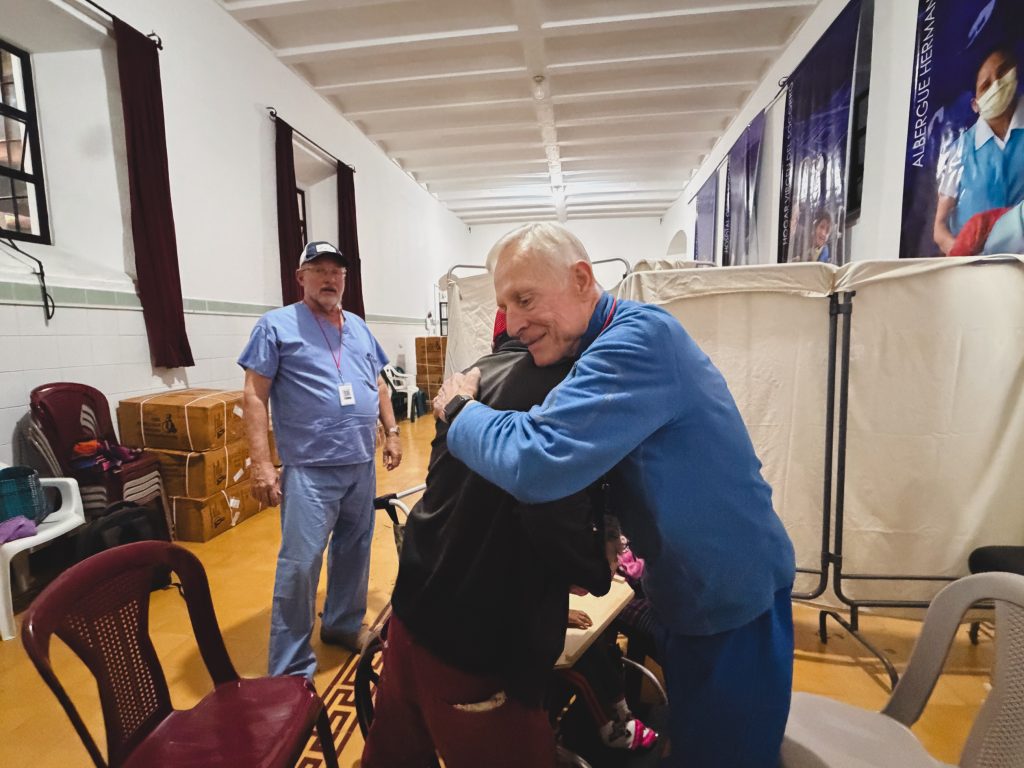
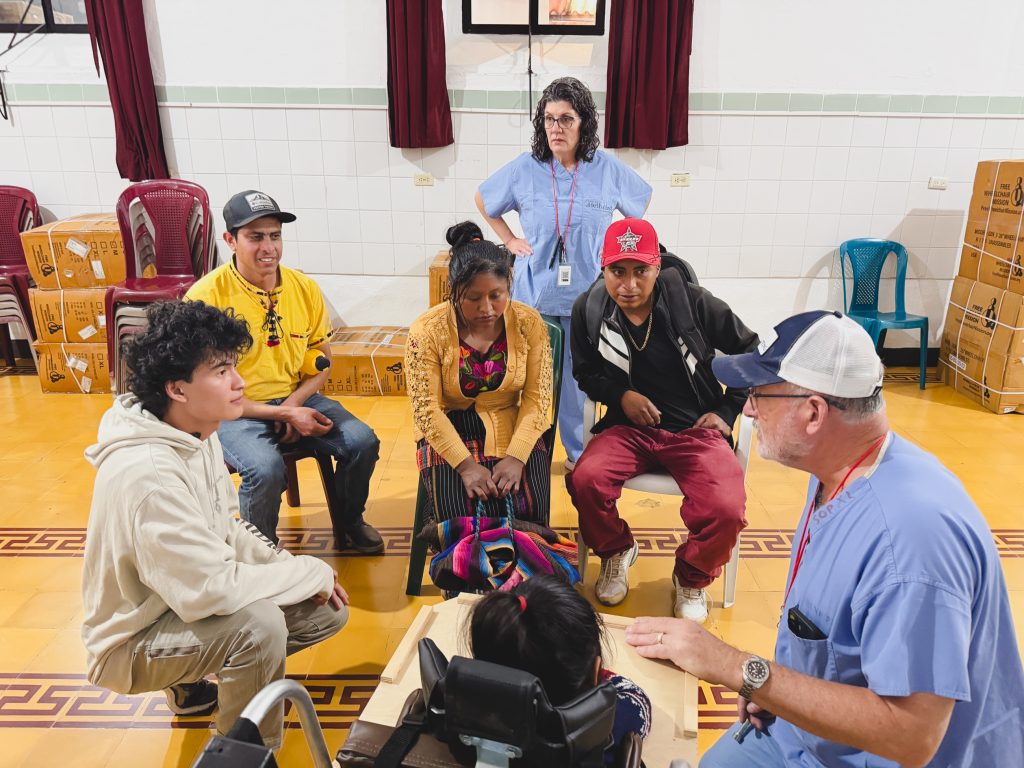
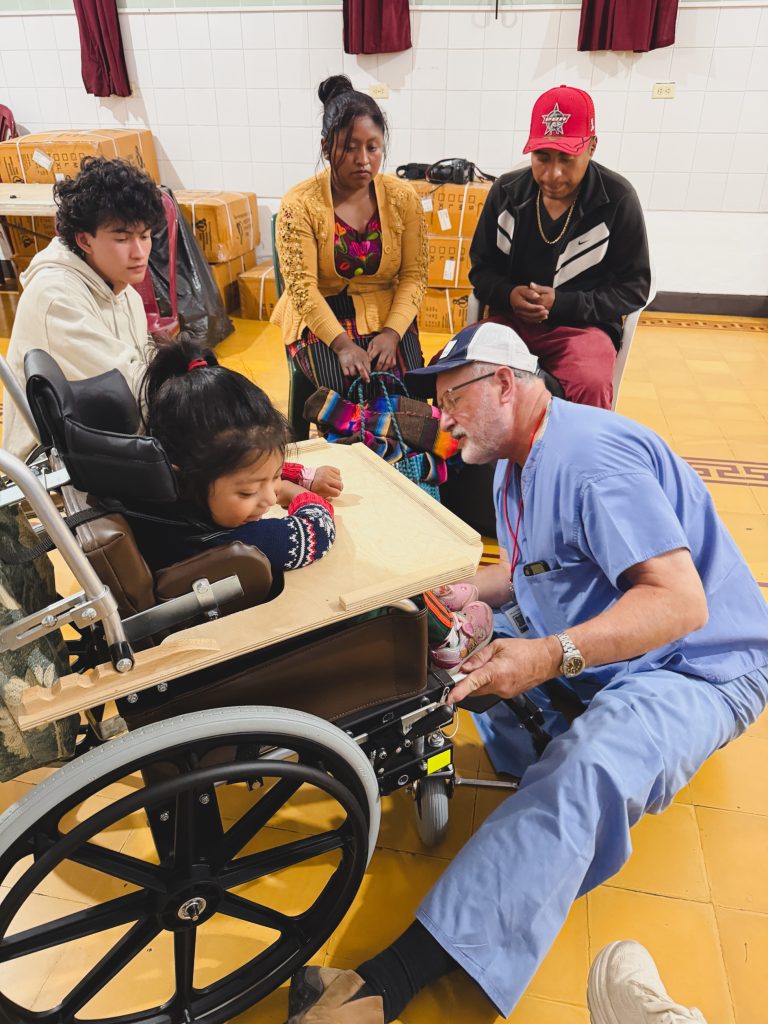
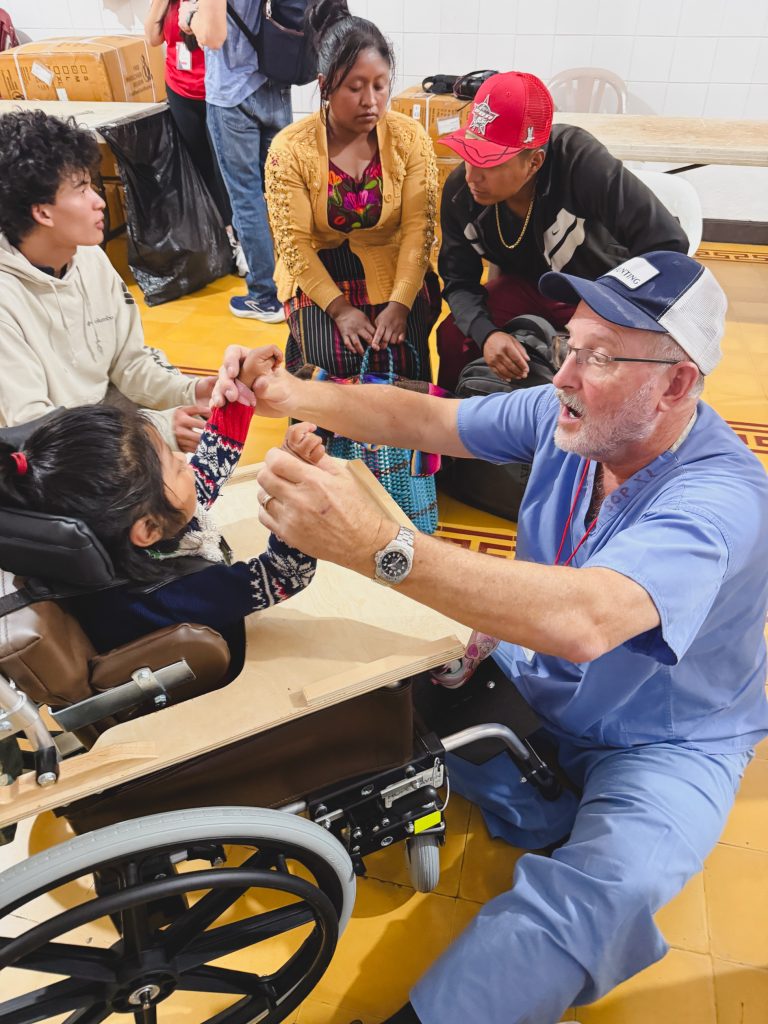
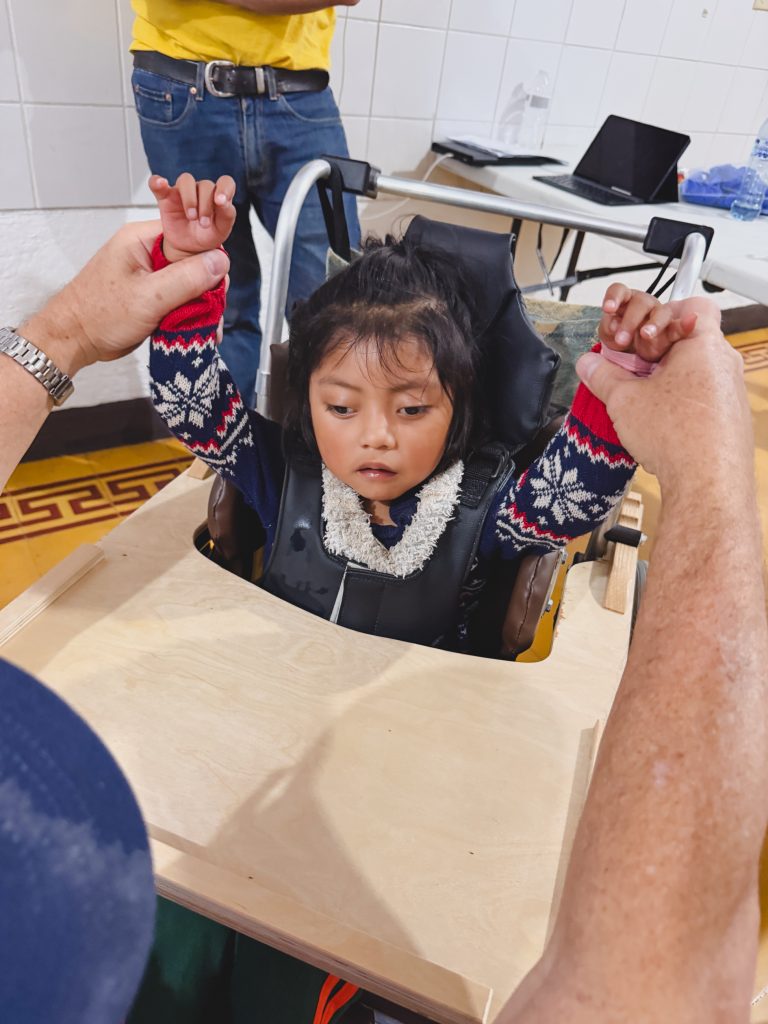
Unfortunately, our team witnessed this firsthand when a tragic story unfolded on Wednesday. In the mobility clinic, a young girl with severe disabilities brought many of our volunteers to tears. Diagnosed years ago with a curable case of meningitis, the child was left with permanent brain damage and severe debilitation after treatment at a public hospital was halted when her family could no longer afford it. The story was not only heartbreaking but aggravating, as her and her family’s lives were now forever altered by a condition that would have been manageable with proper care. At least for me, the tragedy of this medical injustice, compared with the privileged and accessibility at home, truly puts the disparities of global healthcare into perspective. The best we could do for this child was provide a proper wheelchair and have our physical therapists work with the family on ways to support the child at home.
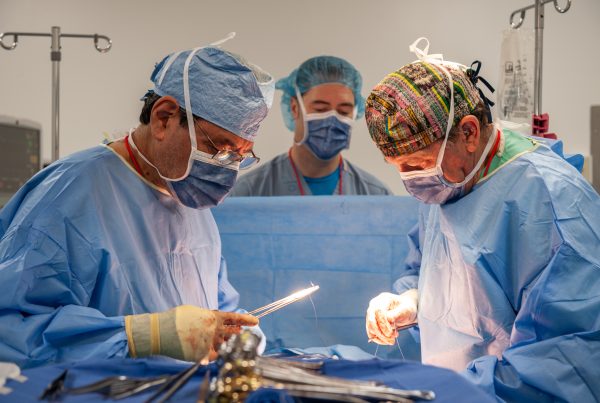
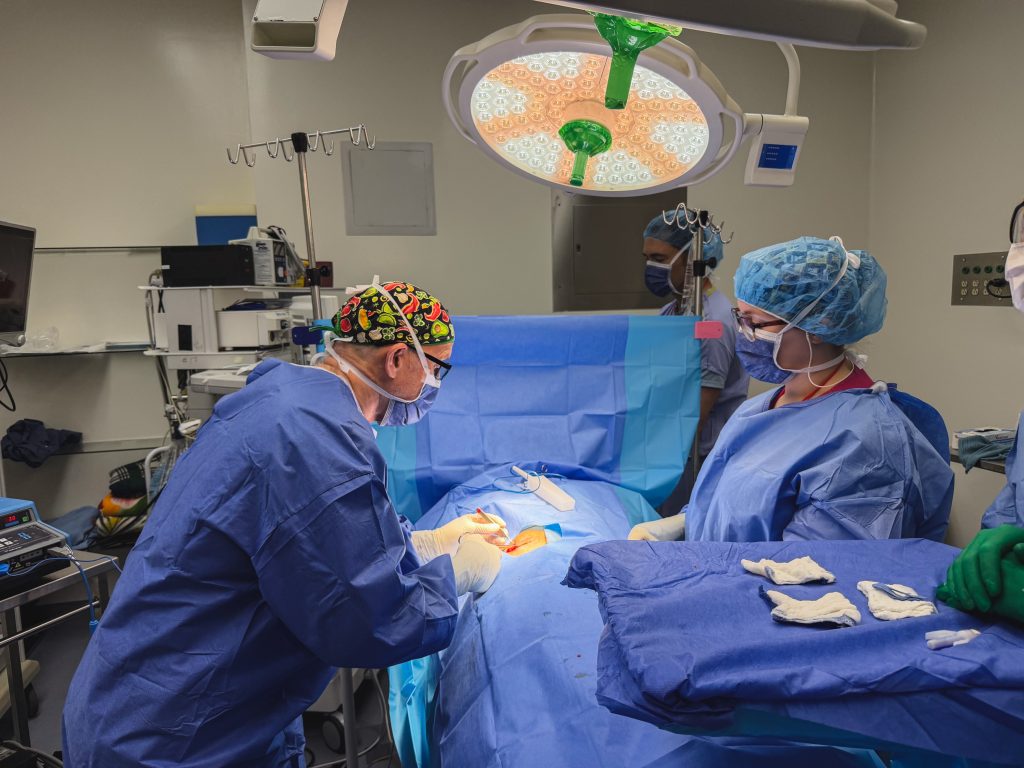
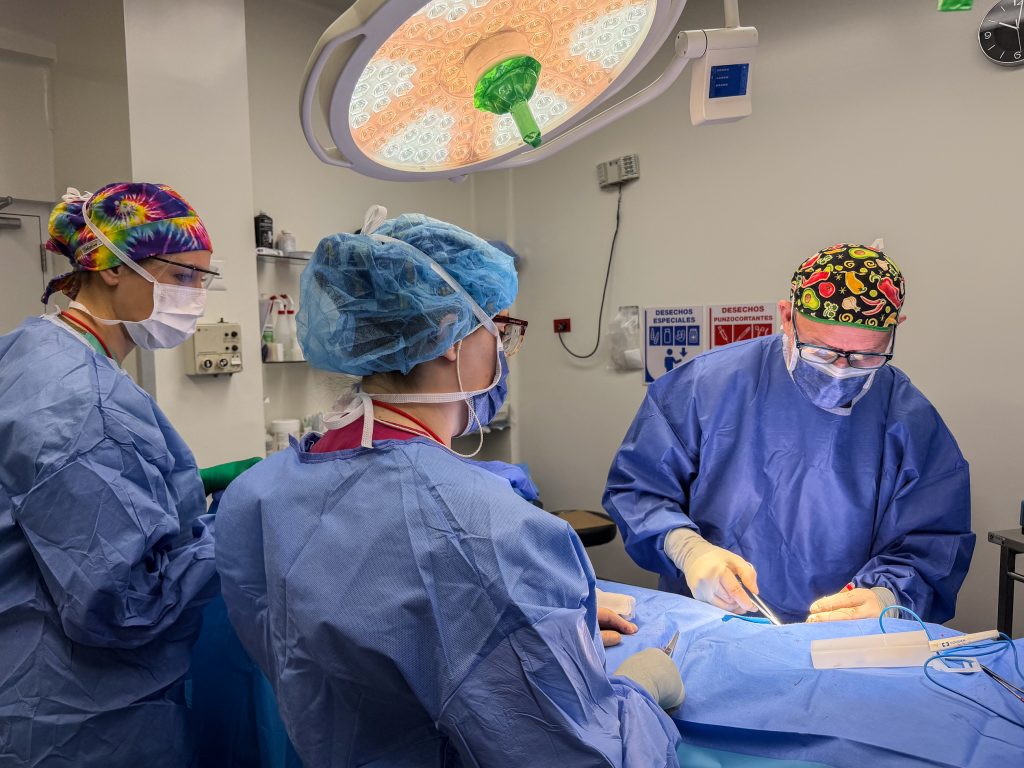
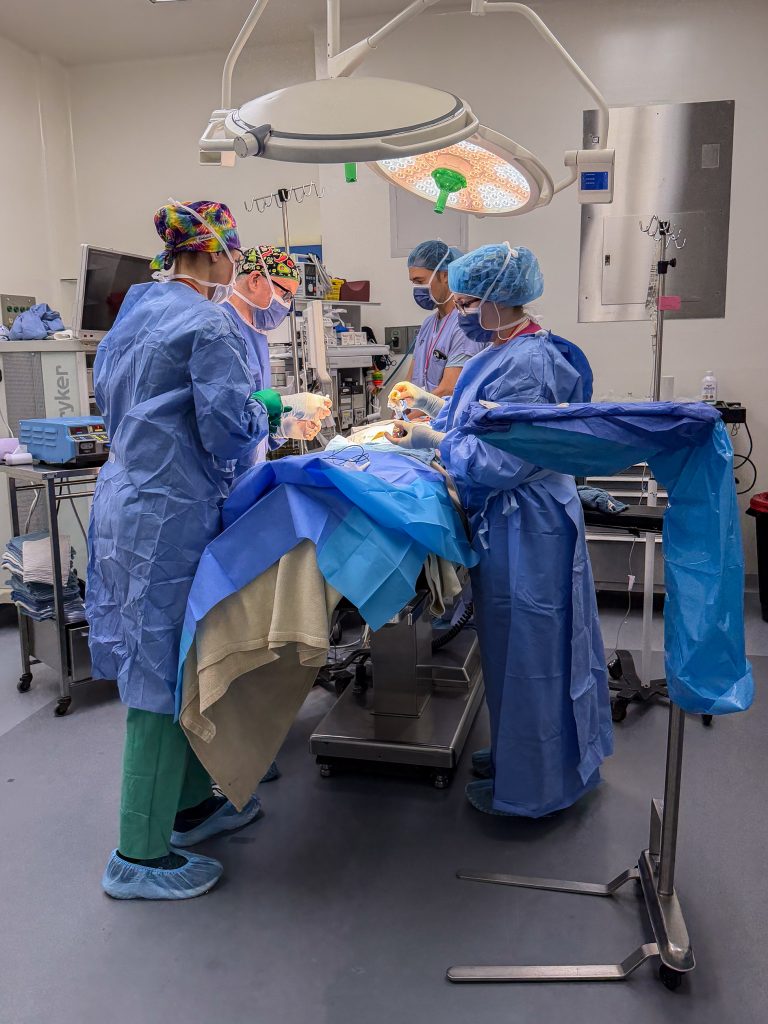
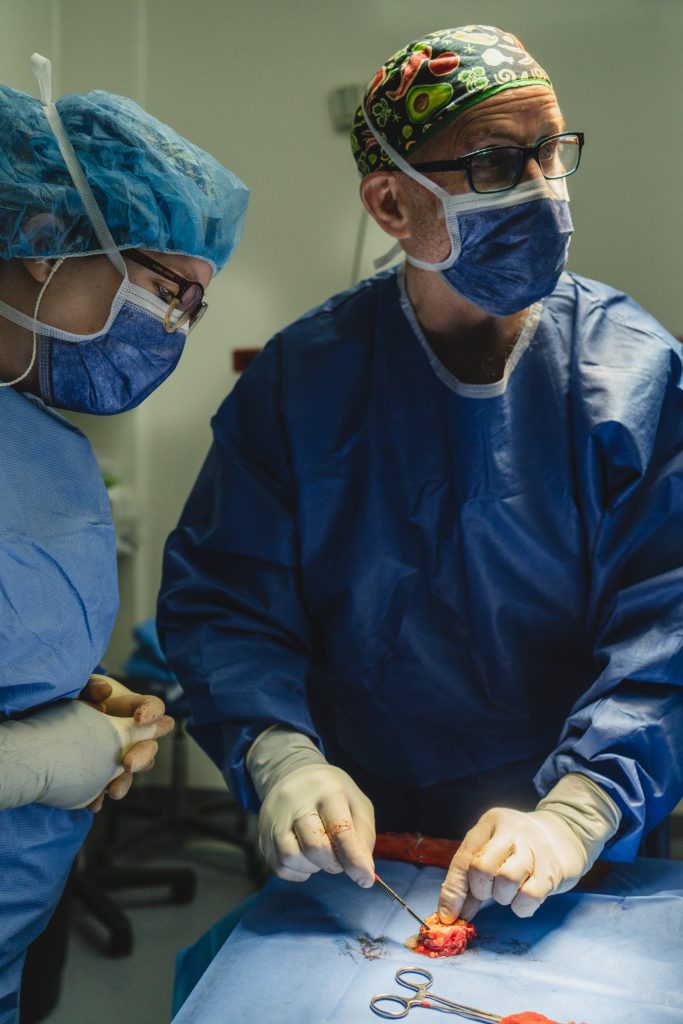
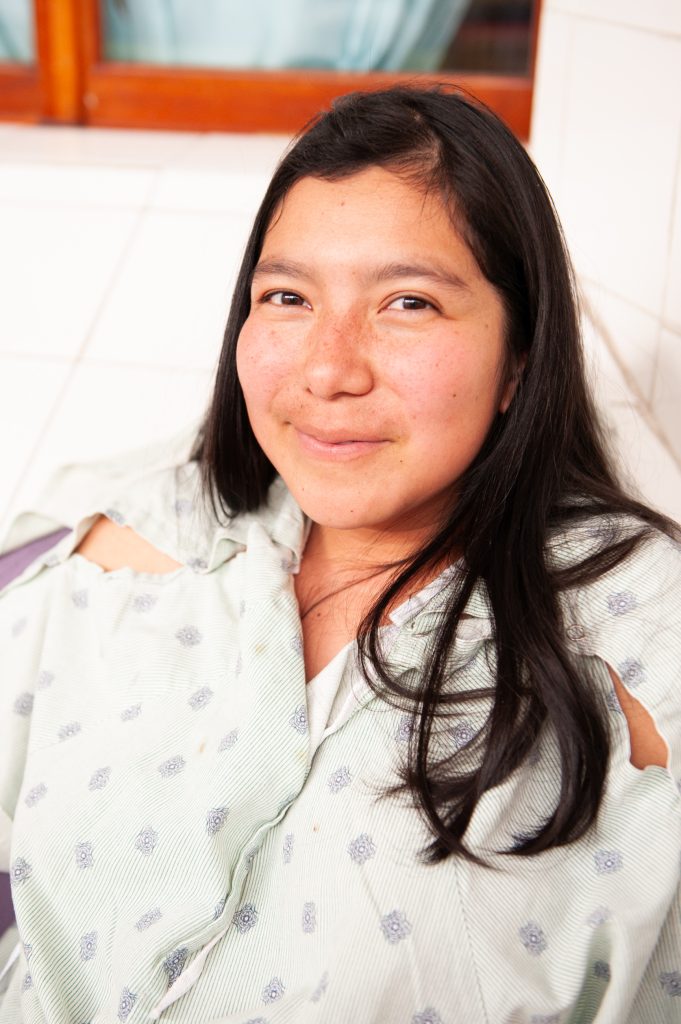
Another difficult story came from a woman named Denise, whom I interviewed after a very unusual surgery. Originally from Mexico, personal tragedy led Denise to Guatemala two years ago, where she developed appendicitis. After having her appendix removed she developed concerning physical symptoms, which severely impacted her necessary bodily functions and movements. Denise attributed her poor condition to a lump which had developed on her side following her appendix surgery. Dr. Matt Baker removed the mass and cut it open to reveal a remaining piece of surgical sponge left over from Denise’s appendectomy, which had formed an internal mass in her side. During recovery we showed Denise a photo of the sponge. She was shocked but smiled and said,
“I am safe now.”
These cases of medical neglect are highly disturbing in that the patient is essentially powerless.
Cases like these highlight the difficult realities faced by many disadvantaged healthcare systems with limits in funding, support, and resources. They are reminders that access to safe medical care is not distributed as equally as one may assume.
At the same time, stories like Denise’s also reveal something hopeful. Despite challenges, patients continue to be resilient and faithful, proving the endurance of the human spirit. They also show us how much our work matters. Even if we cannot undo systemic issues in a single week, seeing just one patient smile, or one family cry at the miracle of our help is enough of a reason to push forward.