Day 4
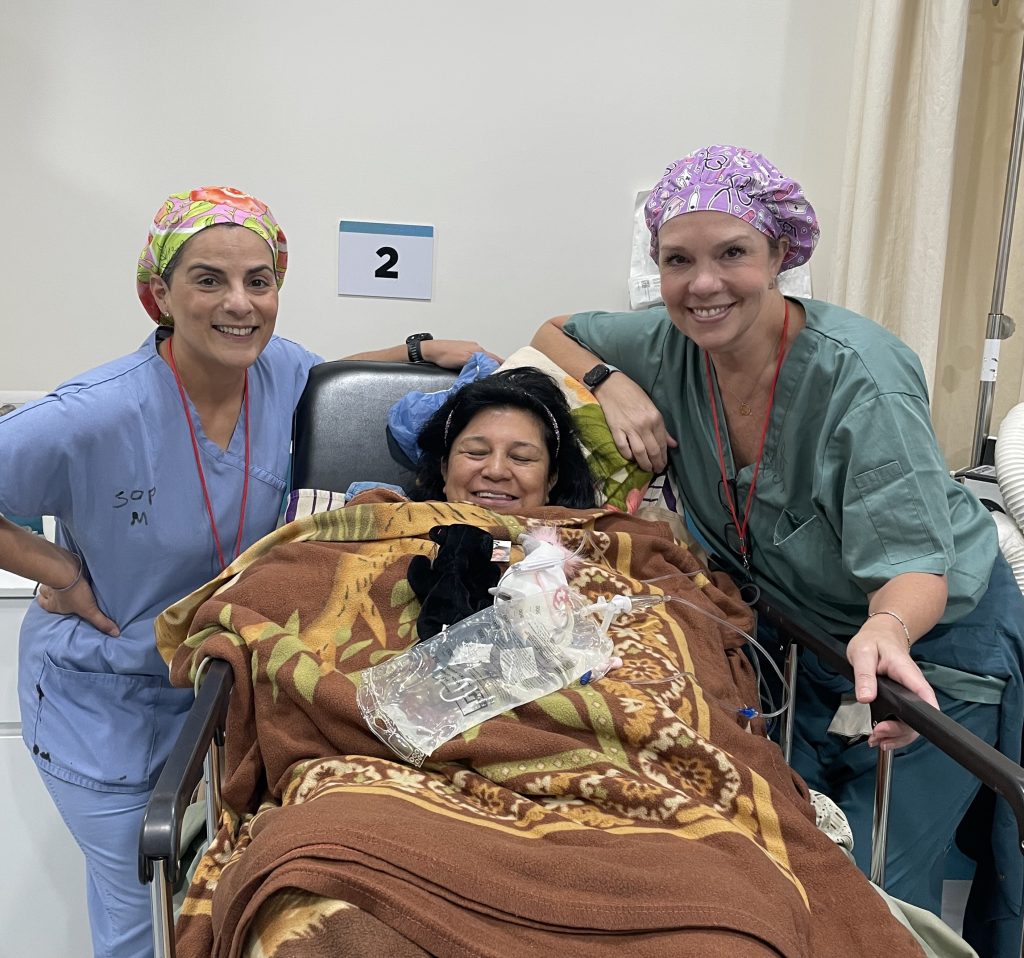
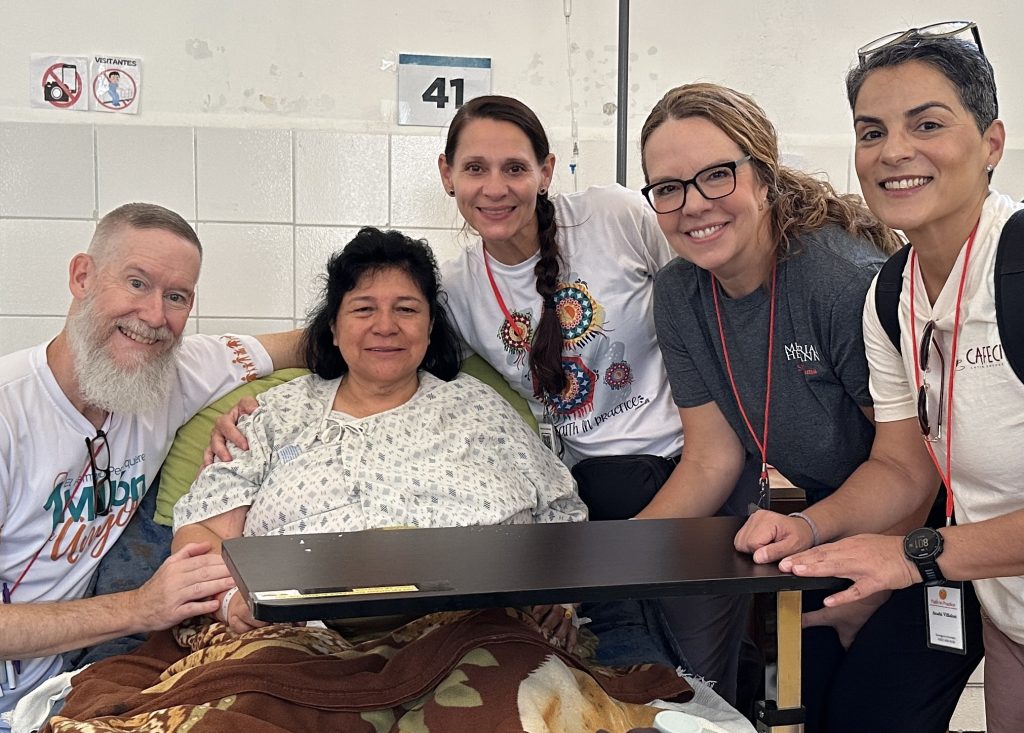
Miriam is 59 years old, a teacher, a mother, and whether she realizes it or not, a powerful voice for her community.
She lives in San Lucas, Sacatepéquez, about an hour from Antigua, Guatemala, where our team is serving. During the height of the COVID-19 pandemic, Miriam injured her knee. Like so many others around the world, access to care became nearly impossible. What might have been a treatable injury turned into years of pain and multiple surgeries in an attempt to repair the damage.
She adapted the only way she could—pushing through, adjusting her daily life, and continuing to show up for others. But eventually, the pain became too much. Her mobility became so limited that she had to rely on a wheelchair while waiting for the chance to finally be seen again.
And still—she kept teaching.
Miriam teaches English to fellow Guatemalans, currently working with five students ranging in age from 16 to 65. When her injury made it difficult to leave her home, she didn’t stop—she simply brought the classroom to her. From her house, she continues to pour into others, helping them learn a language that connects them to the wider world.
When we asked her what inspired her to teach, her answer was rooted in legacy. Her father, adopted by missionaries in the 1950s, became a pastor and believed deeply in the power of language. He taught others English, and Miriam followed in his footsteps—passing that same gift on not only to her students, but also to her three children.
But what struck us most wasn’t just her resilience or her dedication—it was her heart.
Miriam told us that while many of the patients we meet may not be able to speak English, she considers herself “the voice of her people.” She wanted to make sure we understood just how grateful they are. How seen they feel. How much it means to them to receive care they otherwise wouldn’t have access to.
In that moment, Miriam wasn’t just a patient.
She was a bridge.
A teacher in every sense of the word.
A reminder that even in the midst of pain, purpose can still shine through.
We came here to serve—but patients like Miriam remind us that we are the ones being changed.
Team Blogger
Anahi Villalon