Thursday, April 16, 2026
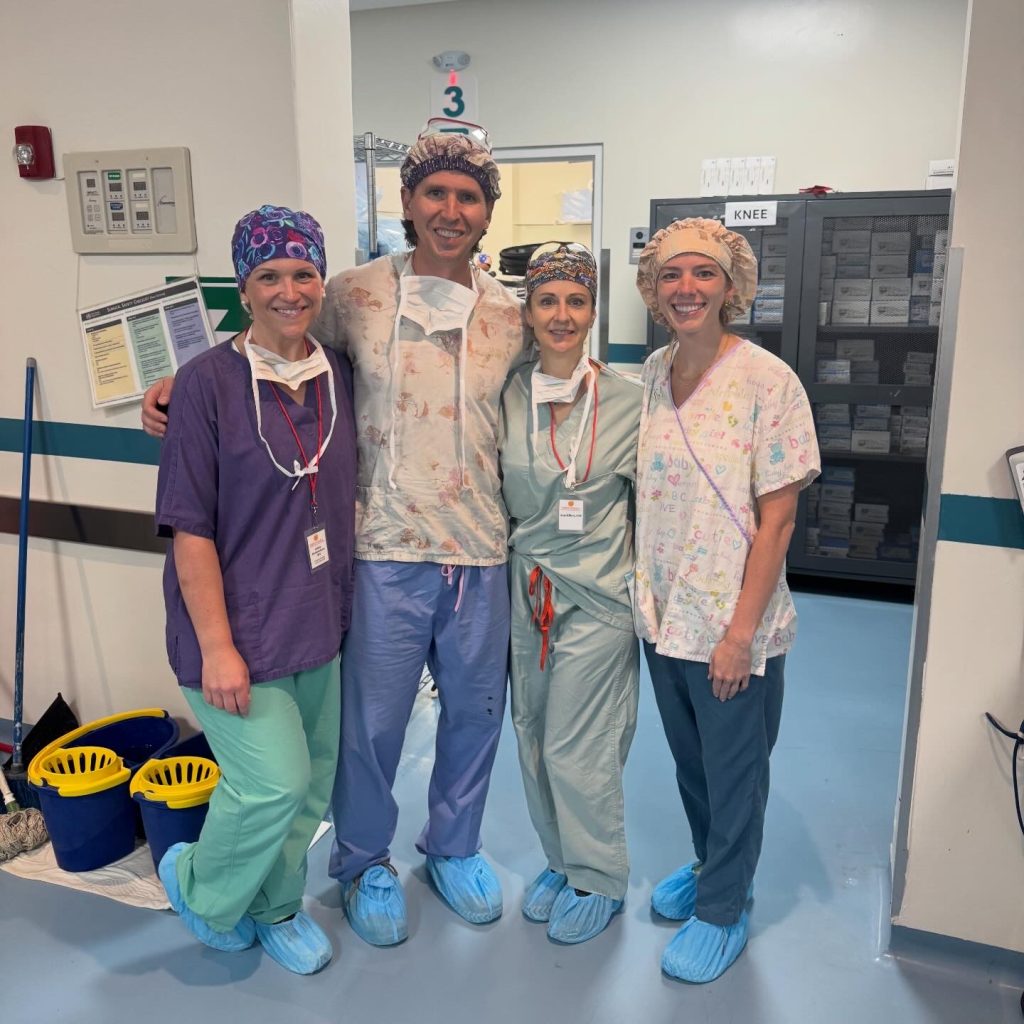
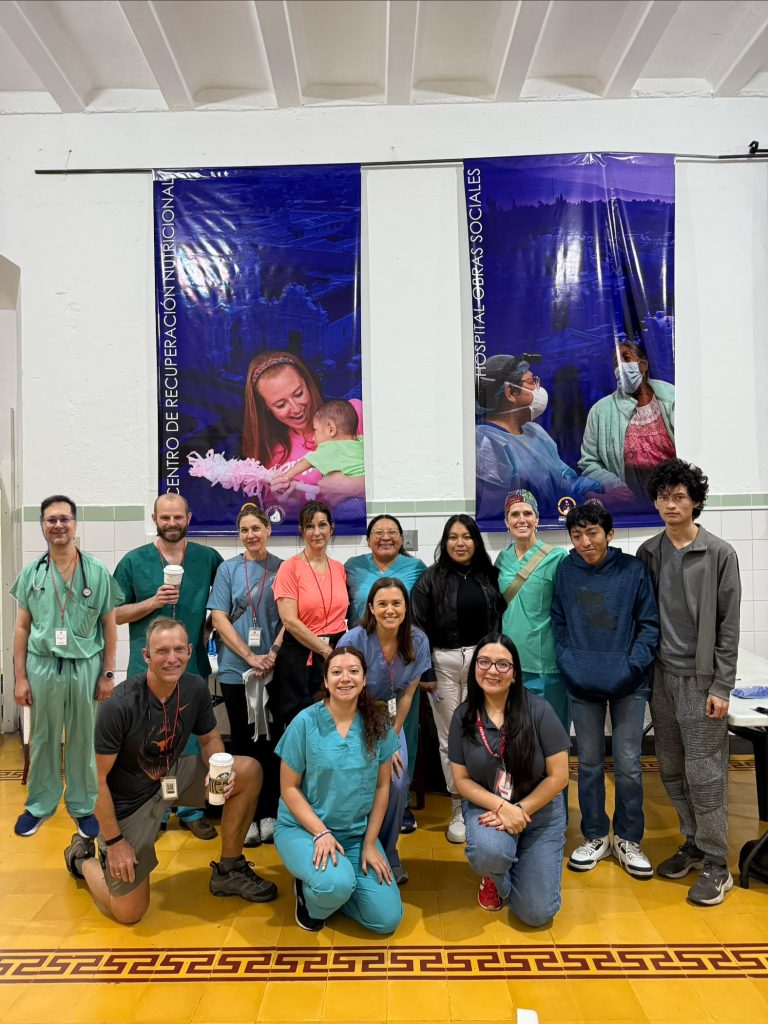
Team 900 Cahill / Dawson / Kim
One of the remarkable aspects of the FIP mission is how wide our reach is, across the country. Although the surgical teams only work in Antigua, the patients come from as far away as Petén. It’s not unusual to find out that someone has made an 11-hour journey to be treated by us. To understand this phenomenon, it helps to realize that more than half of the population of Guatemala is Mayan, and that these people were persecuted by the Spanish-speaking Ladino army during a decades-long civil war. Hundreds of villages were systematically destroyed; hundreds of thousands of civilians murdered or “disappeared;” and more than 1.5 million displaced; in what the UN in 1999 officially declared “a government policy of genocide.” Faith In Practice was incorporated as a non-profit in 1994, two years before the peace accord was signed. FIP began as a partnership between members of Houston’s Memorial Drive Presbyterian Church and a local Franciscan brother. At the time, Catholic priests and nuns also faced violence, because they supported the indigenous people.
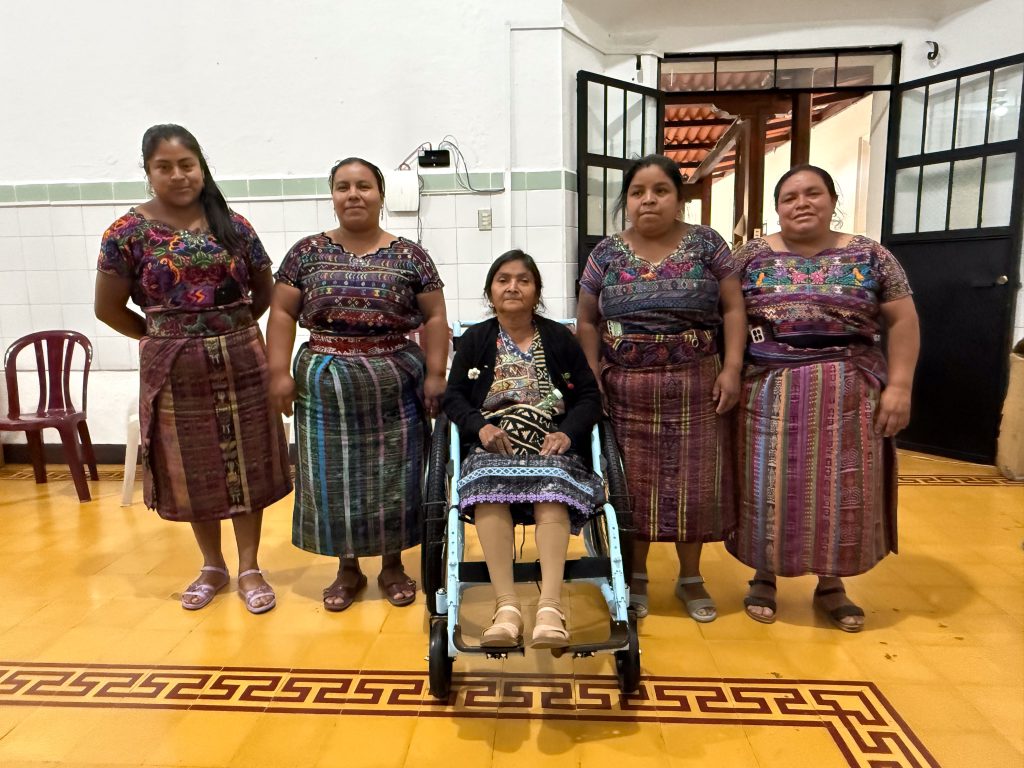
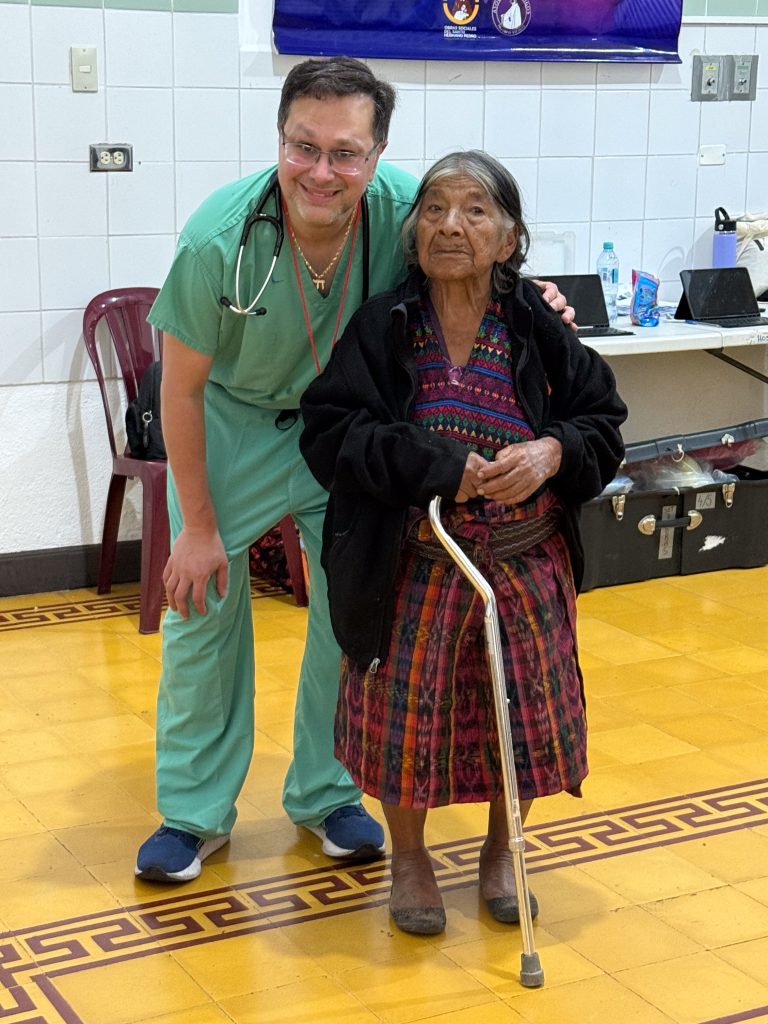
Today, most of the women standing in line for the mobility clinic wear colorful dresses made from traditional, hand-woven cloth. Elderly patients often do not speak Spanish but Kaqchikel, so they need translators first into Spanish, then into English to communicate with us. They come from farming communities that provide most of the agricultural produce of the country, but that interact very little with the Spanish-speaking Ladino population, whom they still tend to distrust.
However, even the Spanish-speaking Guatemalans tend to distrust the public hospitals, where they expect to be treated badly. We hear stories of amputations not only of the wrong limb, but performed on the wrong patient. Miguel, the local student-volunteer translator, explains that although, officially, Guatemalan employers are supposed to provide health insurance, most people have unofficial jobs and thus, no insurance. He also transmits stories of corrupt practices, such as clinics requiring extra payment in order to release test results to patients. In fact, Libny, the 22 year-old with the knee tumor was one such case. Although we don’t have any way of verifying these reports, it’s clear that patients travel from far away to be treated by FIP because they have confidence in the American surgical teams.
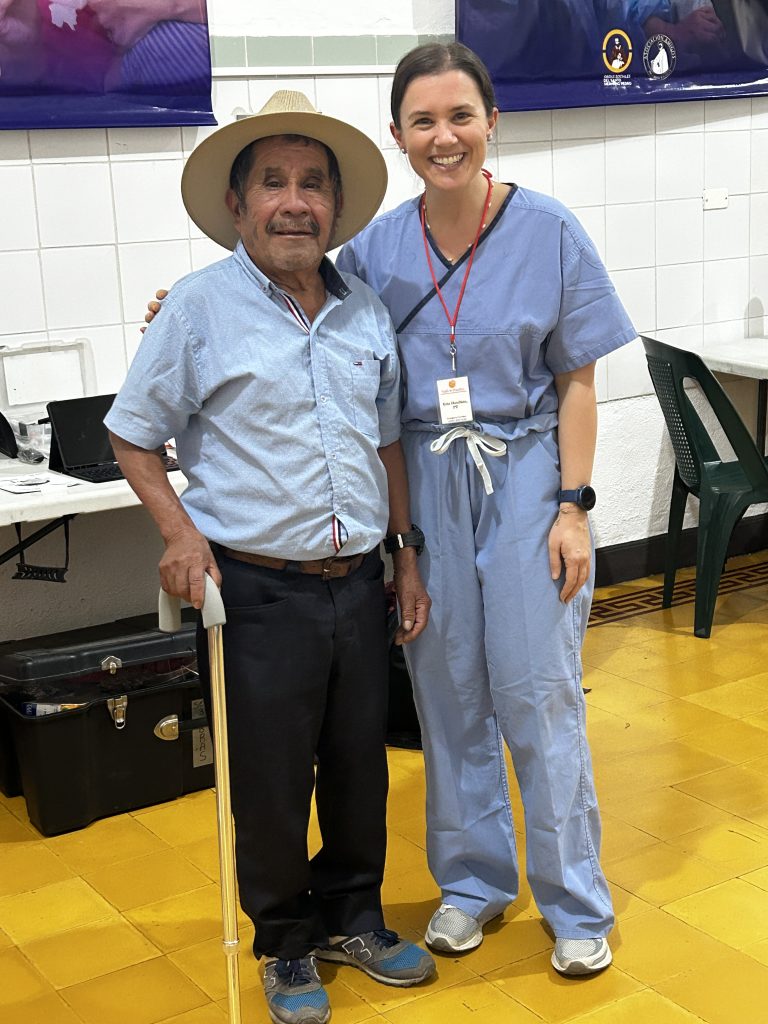
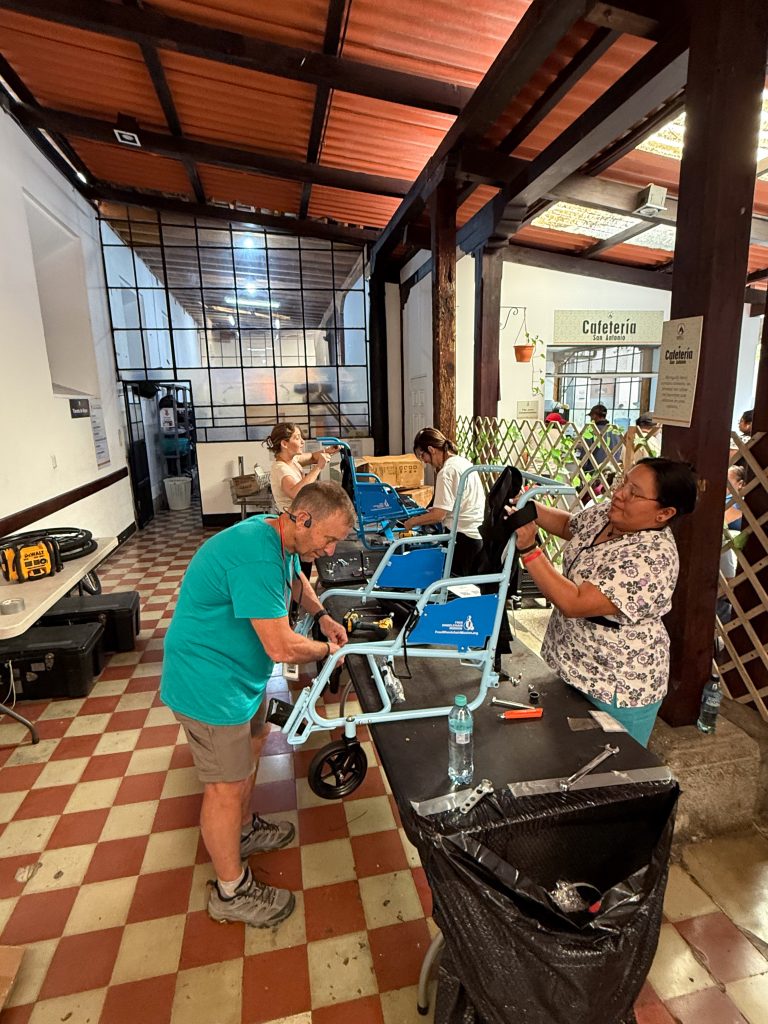
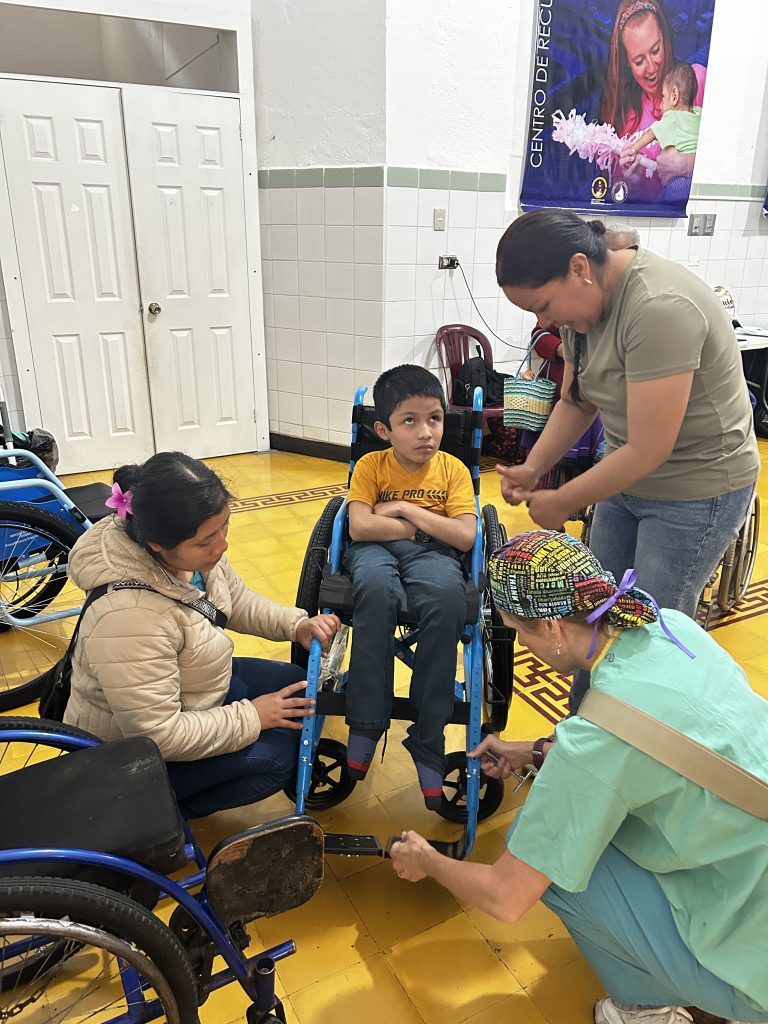
This week, the Mobility Clinic distributed 130 wheelchairs; 22 walkers; 4 canes; and 3 sets of crutches to 153 patients.
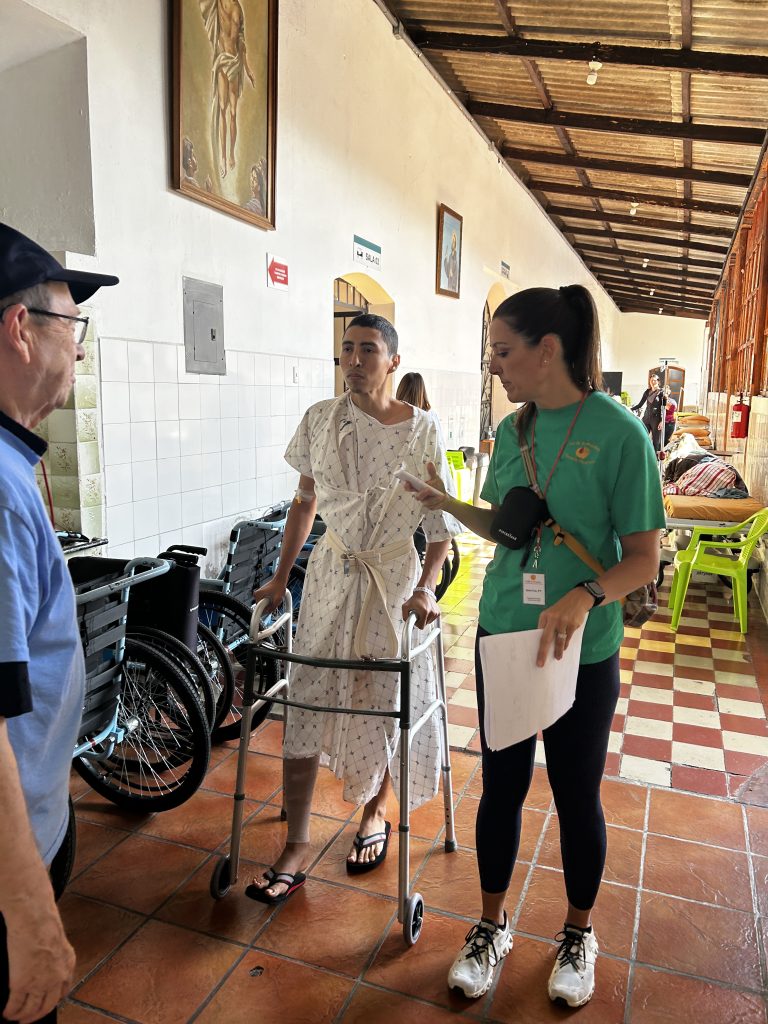
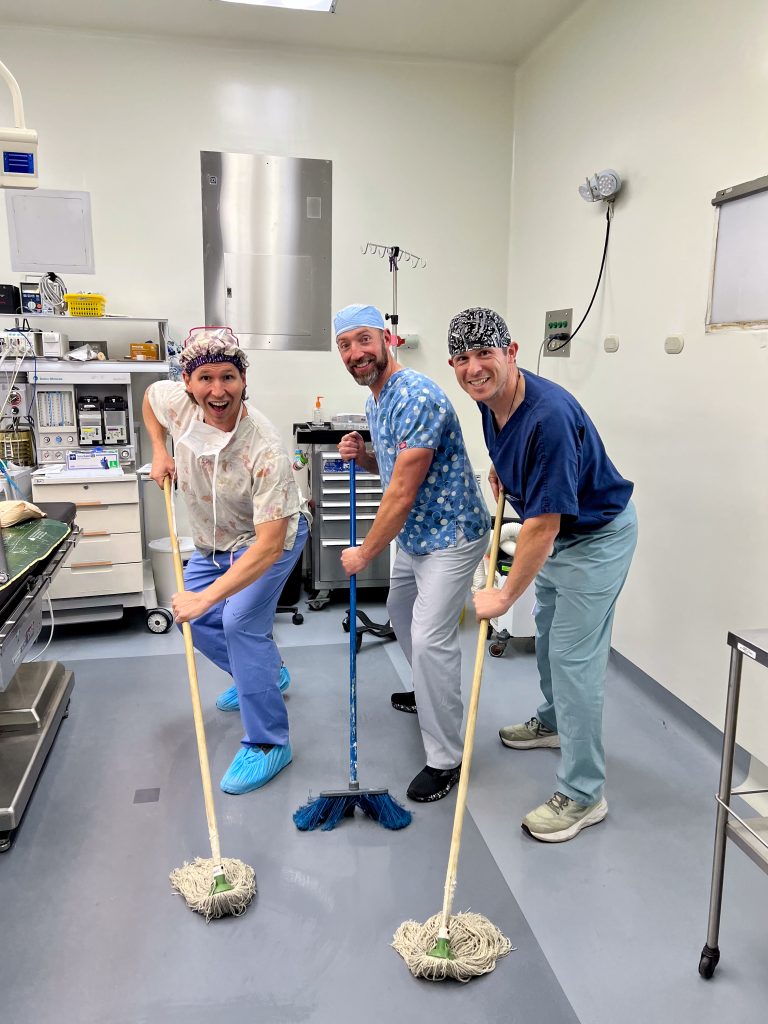
Meanwhile, the surgical side of the team did 77 cases: 15 trauma; 15 hips; 12 foot & ankle; and 35 knees. Discrepancies between the original plan and the final numbers have to do with some cases being canceled due to new lab results which indicate that a patient is not healthy enough to undergo surgery. When that happens, there is always a long list of more patients waiting for surgery, so new patients are added to pack the schedule with as many procedures as possible for the week.
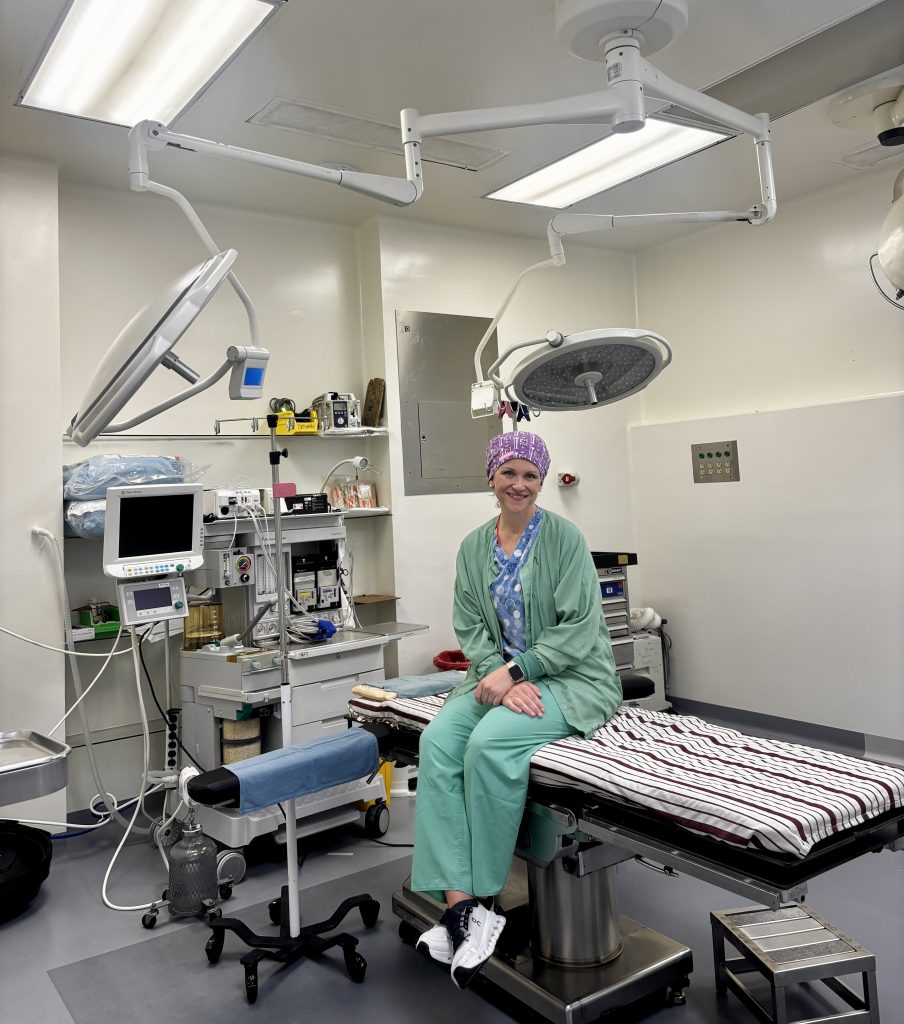
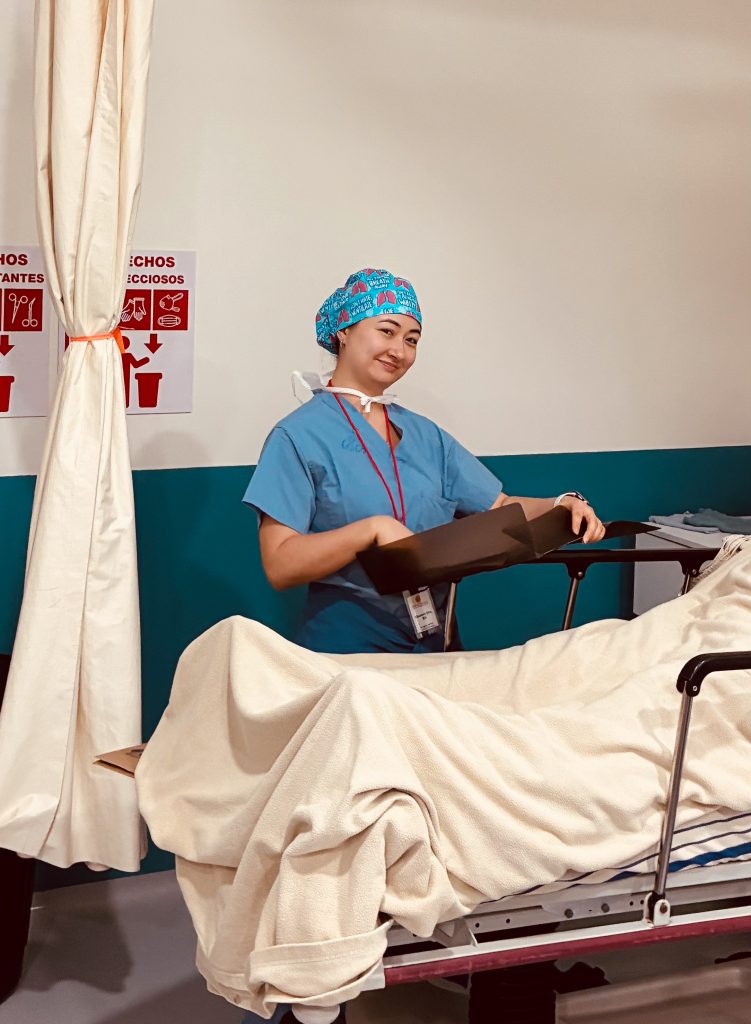
Over the course of 4 days, Anesthesia Resident Leslie Kim performed 82 peripheral nerve blocks. (Some of the trauma patients need more than one block). It’s this technique of regional anesthesia that allows these surgeries to be performed with minimal blood loss and maximal pain control. It’s also the most time-efficient way of doing them.
Dr. Joe Austin has been our pharmacist this week. He’s a retired cardiovascular surgeon with dozens of FIP missions under his belt on various teams.
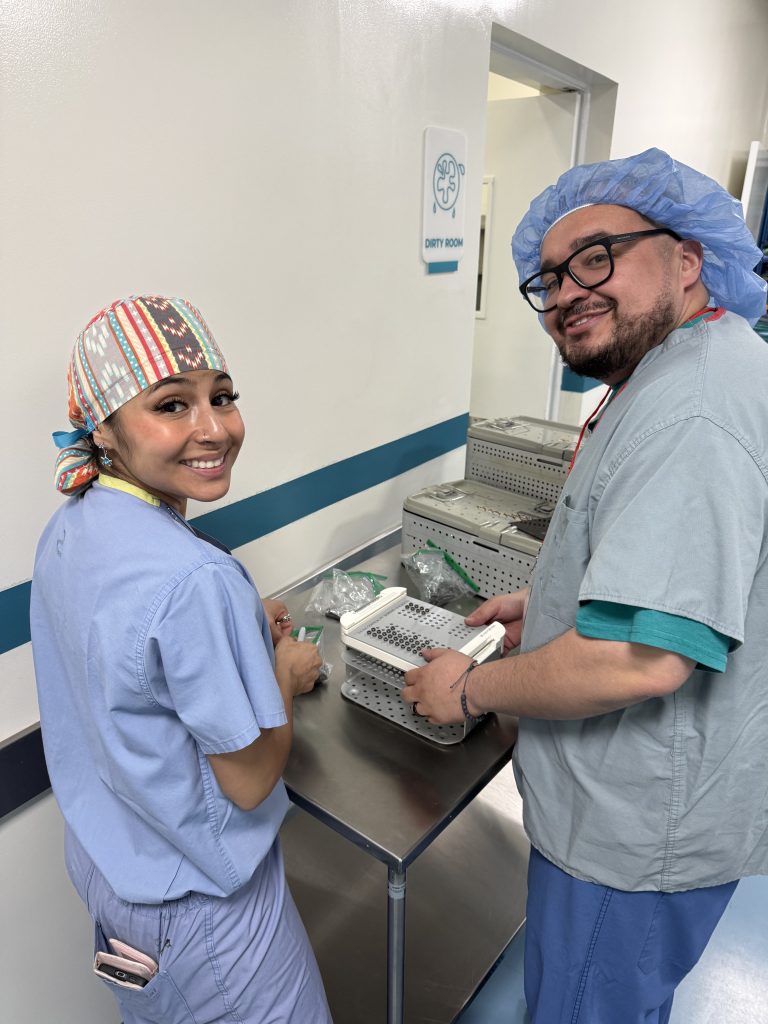
Most of the surgeries are made possible by donated materials from Zimmer-Biomet, brought to us by Travis Bryan. This year we also had two other Zimmer reps to assist during surgeries, Erica Dinius and Andrew Reeser. And we couldn’t function at all without our Team Administrator, Ryan Richardson, Stryker rep.